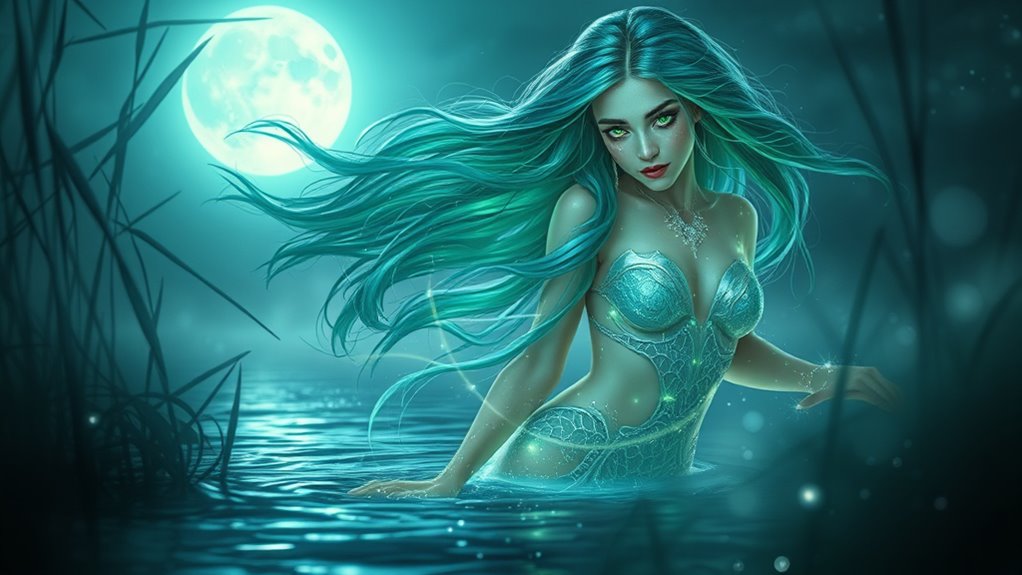

The Rusalka are mythical water spirits from Slavic folklore, known as beautiful but often dangerous nymphs connected to lakes, rivers, and ponds. They represent the natural cycle of life and death, emerging in spring and summer to dance and sing before becoming mischievous or malevolent as the seasons change. While they warn of water dangers, they also symbolize renewal and nature’s mystery. If you keep exploring, you’ll discover even more about their intriguing legends and symbolism.
Key Takeaways
- Rusalki are water spirits from Slavic folklore, representing women who died tragically, often by drowning or betrayal.
- They are most active in spring and early summer, emerging from water to dance, sing, and display vitality.
- Rusalki symbolize natural cycles, embodying water’s vitality, beauty, and danger, and are linked to lakes, rivers, and ponds.
- They serve as both warnings about water safety and symbols of fertility, renewal, and the mysterious power of nature.
- Their mythic role highlights the balance between human life and nature’s unpredictability, reflecting seasonal changes and environmental symbolism.

Have you ever heard of the Rusalka, a haunting figure from Slavic folklore? These spirits are rooted in myth, with origins that stretch back centuries, blending pagan beliefs and local legends. According to myth, Rusalki are the souls of women who met tragic or violent ends, often through drowning or betrayal. Their mythical origins tie them to water, particularly lakes, rivers,, and ponds, where they are believed to dwell, waiting to lure the unwary. Their existence is intertwined with nature and the seasons, making their behavior particularly seasonal. In spring and early summer, Rusalki are said to be most active, emerging from the water to dance and sing. During this time, they’re often depicted as beautiful young women with long, flowing hair, sometimes adorned with flowers, embodying the vitality of life returning after winter. As summer progresses, their behavior shifts; Rusalki become more restless and mischievous, sometimes even malevolent, seeking to drown or harm those who venture too close to their watery domains. Their seasonal behavior reflects the cycles of nature—vibrant and lively during warmer months, yet potentially dangerous when they feel threatened or ignored.
Throughout the year, the Rusalka’s mood and actions are believed to mirror the changing seasons. In winter, they retreat into the depths of the water, becoming less active and more mysterious. Some legends suggest they hibernate or simply fade into the water’s darkness, only to reappear when the seasons turn again. This cyclical pattern emphasizes their connection to nature’s rhythms, making them more than just ghosts—they are spirits embodying the changing face of the environment. A deeper understanding of water spirits like Rusalki highlights their role in cultural and environmental symbolism. The seasonal behavior of Rusalki also serves as a warning: respect the water and its spirits, especially during their active months. Folklore describes how they might lure swimmers or boaters to their doom, especially during summer festivals or full moons when their power is believed to be strongest. Despite their sometimes sinister reputation, Rusalki also symbolize fertility, renewal, and the mysterious beauty of water, serving as guardians of natural cycles.
Understanding the mythical origins and seasonal behavior of the Rusalka helps you appreciate their complex role in Slavic culture. They are not simply malevolent spirits but embodiments of nature’s vitality and unpredictability. Their presence in stories and legends reminds you to respect the water and heed its warnings, acknowledging both its life-giving and dangerous qualities. The Rusalka is a haunting reminder of the delicate balance between humans and nature, a spirit woven into the fabric of seasonal change and mythic history.

JOTO 2 Pack Swim Buoy Float for Open Water, Swimming Belt Bubble Safety Float with Adjustable Waist, Snorkeling, Swim Training, Triathletes, Kayaking -Neonyellow & Orange
Brightly-colored swim buoy is exceptionally noticeable in lakes, oceans and other open water, making the swimmer more visible…
As an affiliate, we earn on qualifying purchases.
As an affiliate, we earn on qualifying purchases.
Frequently Asked Questions
Are Rusalkas Considered Benevolent or Malevolent Spirits?
You might find that rusalkas are seen as both benevolent and malevolent in water spirit folklore. Some believe they can bring fertility and good luck, especially during ritual practices, but others warn they might cause harm or mischief if disturbed. Your understanding of rusalkas depends on local traditions, where they’re honored or feared, reflecting their complex nature in water spirit folklore.
How Do Rusalkas Influence Local Folklore and Traditions?
You see, rusalkas deeply influence local folklore and traditions through rusalka poetry and water nymph festivals. These stories celebrate their mysterious beauty and sometimes warn of their malevolent side. During festivals, communities honor these water spirits with rituals and songs, keeping their legend alive. You might even participate in dances or offerings, reinforcing cultural bonds and preserving the rusalka’s enigmatic presence in regional heritage.
Are There Regional Differences in Rusalka Legends Across Slavic Countries?
You’ll notice regional variations in rusalka legends across Slavic countries, reflecting diverse cultural interpretations. In some areas, rusalkas are seen as vengeful spirits, while elsewhere, they’re viewed as protective water guardians. These differences shape local folklore, rituals, and traditions. By exploring these regional stories, you see how cultural nuances influence the portrayal and significance of rusalkas, enriching the shared Slavic mythos with unique local flavors.
Can Rusalkas Be Appeased or Warded Off?
You can often appease rusalkas by performing water rituals, offering flowers or small gifts at lakes and rivers, showing respect for their domain. To ward them off, carry protective charms like amulets or symbols of safety during water activities. Imagine the water as a mirror of your intentions—kindness and caution can soothe or shield you from the rusalkas’ gaze, turning potential danger into harmony with the spirits of the water.
What Modern Representations or Adaptations Feature Rusalkas?
You’ll find rusalkas featured in modern literature and film adaptations, where they often embody mystery and danger. Authors and filmmakers reimagine these water spirits, blending folklore with contemporary themes, creating complex characters that explore human emotions and fears. In some stories, rusalkas are portrayed as tragic figures seeking redemption, while in others, they serve as symbols of nature’s power. These modern depictions keep the legend alive and relevant.
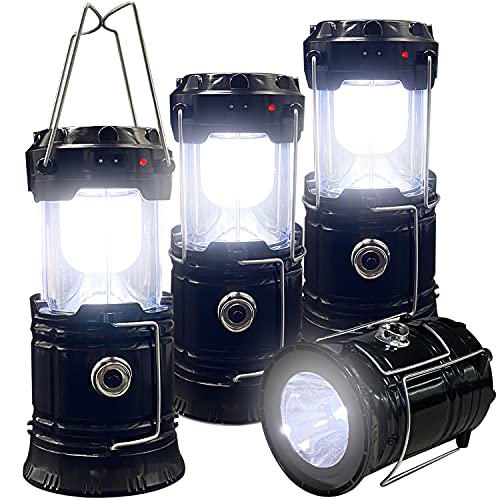
Collapsible Portable LED Camping Lantern XTAUTO Lightweight Waterproof Solar USB Rechargeable LED Flashlight Survival Kits for Indoor Outdoor Home Emergency Light Power Outages Hiking Hurricane 4-Pack
【360° Lighting Coverage】Adopts 6+1 high-intensity LED chips, energy efficient/with wide range of visibility. Doubles as both a lantern…
As an affiliate, we earn on qualifying purchases.
As an affiliate, we earn on qualifying purchases.
Conclusion
As you immerse yourself in the world of the Rusalka, you realize these water nymphs are more than just spirits—they’re the whispers of the river, the breath of the moonlit lake. Their stories ripple through time like shimmering waves, beckoning you to listen closely. So, next time you hear the gentle splash or see a glint beneath the water, remember, you’re glimpsing the enchanting dance of the Rusalki—guardians of water’s secret soul.

Dark Waters (Small Spaces Quartet)
As an affiliate, we earn on qualifying purchases.
As an affiliate, we earn on qualifying purchases.
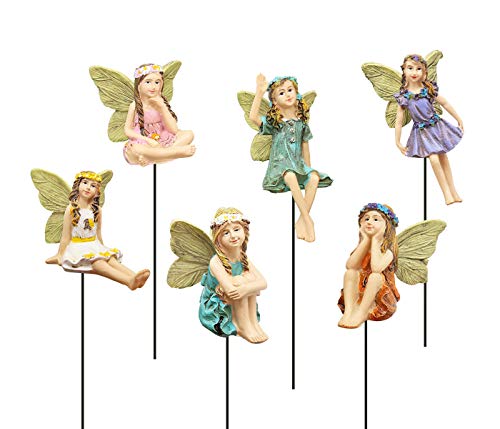
FANWNKI Fairy Garden Vintage Resin Fairy Figurines for Outdoor Garden Yard Lawn Supplies Home Decor Set of 6
Material: Resin
As an affiliate, we earn on qualifying purchases.
As an affiliate, we earn on qualifying purchases.