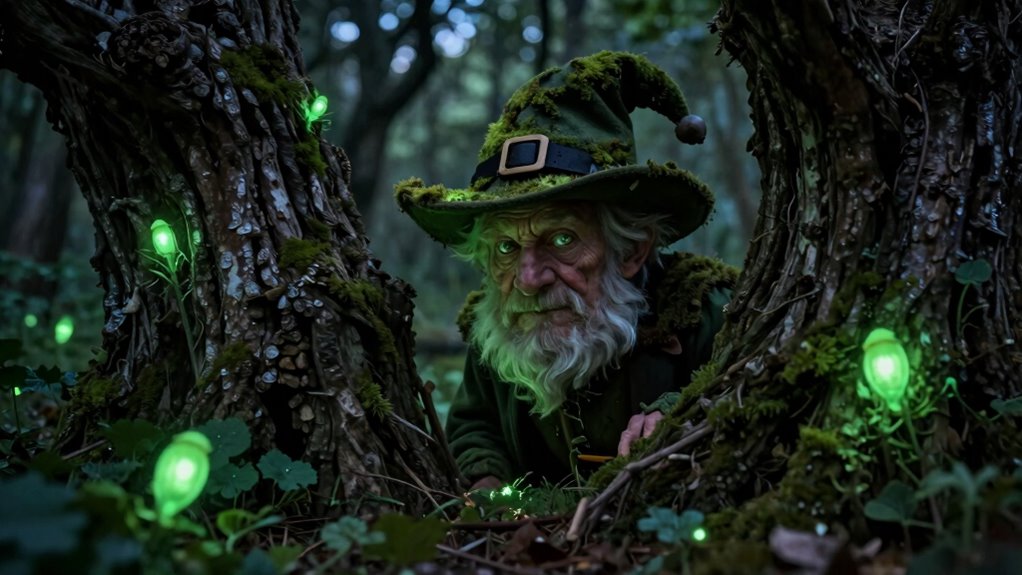

Leprechauns are much more complex than the cheerful, mischievous figures you see in popular culture. Historically, they started as solitary, cunning spirits guarding treasures, symbolizing Ireland’s deep cultural roots and spiritual beliefs. Over time, their image simplified into symbols of luck and mischief for entertainment and marketing. If you explore further, you’ll discover how these stories connect to Ireland’s history and how much richer they really are beyond the playful stereotypes.

Get school and study supplies delivered free — and shop member deals
- Fast, free delivery on millions of items
- Access to Prime Big Deal Days deals on October 6–7
- Prime Video, Amazon Music and more included
Key Takeaways
- Originally, leprechauns were elusive, mystical beings embodying Ireland’s spiritual and cultural beliefs, not just cheerful tricksters.
- Their mythic roots involve layered folklore about guarding treasure and representing natural forces, which modern depictions often omit.
- Traditional stories depict leprechauns as solitary, cunning, and unpredictable, unlike the friendly, mischievous characters popular today.
- Commercialization has simplified their image, focusing on luck and cheerfulness while ignoring their deeper cultural and spiritual symbolism.
- Preserving the original myth enhances understanding of Ireland’s rich folklore, contrasting with the superficial, market-driven pop culture portrayals.
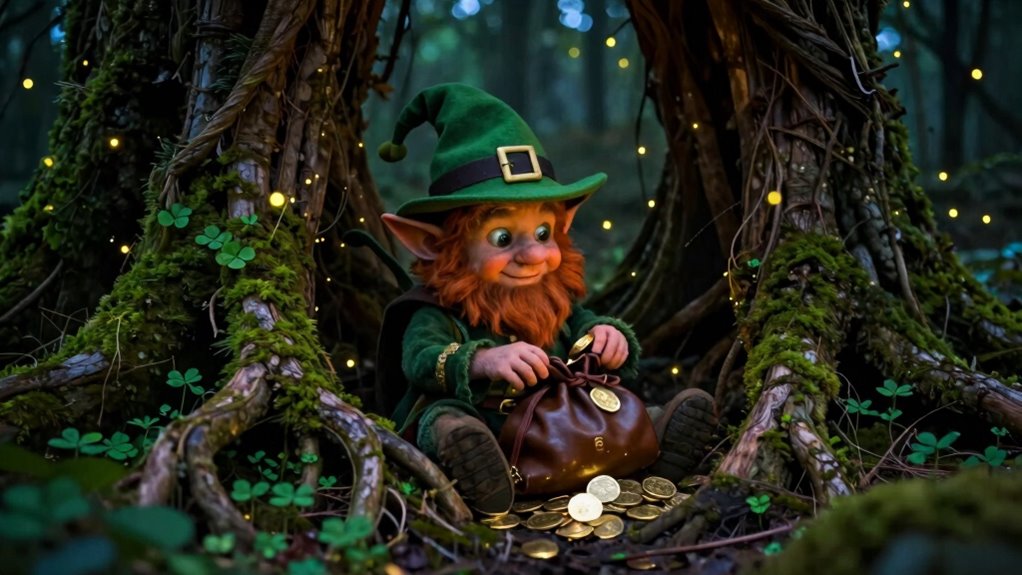
Leprechauns, once rooted in Irish folklore as mischievous little beings guarding pots of gold, have found a vibrant place in modern pop culture. Their mythical origins stretch back centuries, rooted in Irish legends where they were seen as solitary, cunning fairies associated with the hidden treasures of the land. Originally, these creatures symbolized more than just trickery; they embodied Ireland’s deep connection to folklore, rural life, and the mysterious forces of nature. Over time, their image evolved from elusive, mystical figures into recognizable symbols of Irish identity and luck. Their cultural symbolism is complex—standing for craftiness, independence, and the allure of hidden wealth. Yet, in popular culture today, that symbolism often gets simplified into a cheerful, mischievous character that’s easy to commercialize.
What makes the modern portrayal of leprechauns stranger than their original myth? It’s the way they’ve been transformed from enigmatic spirits into icons of commerce and entertainment. In Irish folklore, they were solitary and secretive, rarely seen and often unpredictable. Today, they are depicted as small, jolly men with a red beard and coat, often portrayed in children’s books and advertisements. This shift strips away much of the myth’s original depth, replacing it with a more playful, accessible version that’s designed to sell products or entertain audiences. You might see them in parades, as mascot characters, or even on packaging—each image emphasizing their cheerful and mischievous nature, but ignoring the deeper cultural symbolism. Their mythical symbolism is rooted in Ireland’s spiritual and cultural history, which often gets overshadowed by commercial interests. It’s important to recognize how these cultural narratives have been reshaped over time, often losing their original significance.
While the mythic origins of leprechauns carry layers of tradition and history, their pop culture adaptations tend to overlook this complexity. Instead of embodying the mysterious and secretive nature of their origins, they become symbols of good luck and whimsy. This transformation makes them more palatable and marketable, but it also diminishes their role as cultural icons rooted in Ireland’s history. You might find it fascinating how a creature with such rich, mythical roots has been reduced to a caricature that’s often divorced from its original context. Their true story is more layered—tied to ancient beliefs, rural life, and Ireland’s cultural identity—than the playful, often commercial image that now dominates modern pop culture. Recognizing the historical significance of leprechauns can help appreciate their true place in Irish tradition and the importance of preserving such cultural narratives. Additionally, understanding their mythical symbolism offers a richer perspective on Ireland’s spiritual and cultural history beyond the commercialized image. This deeper understanding underscores the need to respect and preserve the cultural heritage embedded in their origins. By doing so, we can better appreciate the depth and complexity of Ireland’s folklore and ensure that these stories are not lost to superficial representations.
As an affiliate, we earn on qualifying purchases.
Frequently Asked Questions
Are Leprechauns Based on Real Historical Figures?
Leprechauns aren’t based on real historical figures; their origins lie in Irish folklore. As mythical creature symbolism, they represent mischief, craftiness, and luck. These small, bearded men with coats and hats embody stories passed down through generations, blending myth and legend. You won’t find actual leprechauns in history, but their cultural significance persists, highlighting Ireland’s rich storytelling tradition and the enchanting allure of mythical creatures.
How Did Leprechauns Originate in Irish Mythology?
You learn that leprechauns originate from Irish mythology, with their mythical origins dating back centuries. They evolved through folklore, initially seen as solitary fairy shoemakers guarding treasures. Over time, their image shifted, influenced by storytelling and cultural changes. This folklore evolution transformed them from mysterious, sometimes frightening beings into playful, mischievous icons in modern pop culture, but their true roots are deeply embedded in Ireland’s ancient mythological traditions.
What Are Traditional Leprechaun Stories From Ireland?
You’ll find that traditional Irish leprechaun stories often involve Leprechaun disguises, where they hide their true nature behind human-like appearances. These tales emphasize fairy gold lore, describing how leprechauns secretly guard pots of gold at the end of rainbows. In these stories, if you catch a leprechaun, you can bargain for their treasure, but they often outsmart you, keeping their gold and magic hidden from human eyes.
Do Leprechauns Have Any Significance in Irish Culture Today?
You’ll find leprechauns still hold significance in Irish culture today, symbolizing luck, mischief, and Irish heritage. In modern Irish folklore, leprechaun symbolism reflects a blend of tradition and contemporary identity, often used in celebrations like St. Patrick’s Day. While they’re mythic figures, they remind you of Ireland’s rich storytelling history. Their presence in popular culture keeps their legacy alive, making them a fun, enduring emblem of Irish culture.
How Have Leprechauns Been Depicted in Ancient Art?
In ancient art, you’ll find leprechauns depicted through fairy folklore as mischievous, often show them with exaggerated features like large eyes and tiny bodies, emphasizing their elusive nature. Artistic symbolism highlights their role as guardians of treasure, representing luck and cunning. These depictions reveal their cultural significance, blending myth and artistry, and showcasing how they embody Ireland’s rich tradition of storytelling and belief in supernatural beings.
As an affiliate, we earn on qualifying purchases.
Conclusion
So, now you see, leprechauns aren’t just cute little guys hiding pots of gold. They’re a wild mix of mischief, mystery, and myth that’s way more complex than pop culture makes them out to be. Don’t judge a book by its cover — these elusive creatures remind you that sometimes, the truth is stranger than fiction. Keep your eyes open; you never know when you might stumble upon a little leprechaun’s secret.
As an affiliate, we earn on qualifying purchases.
traditional Irish fairy figurine
As an affiliate, we earn on qualifying purchases.
As an affiliate, we earn on qualifying purchases.
Fall Picks
fall essentials
As an affiliate, we earn on qualifying purchases.