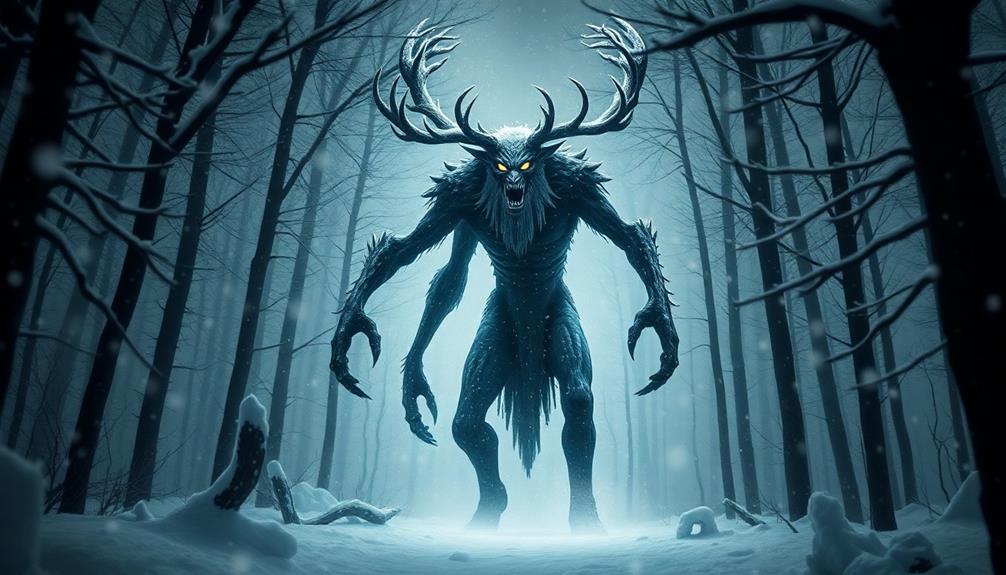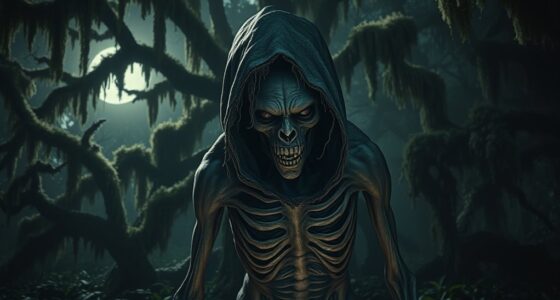
Your fascination with Iceland’s hidden folk beliefs comes from how deeply they are woven into everyday life and the landscape itself. You’ll notice how stories of elves and trolls influence local decisions, like rerouting roads or conserving nature. These legends add a magical layer to your experience, making the land feel alive with mystery. Exploring these traditions reveals a unique cultural identity that continues to inspire travelers. Keep exploring and you’ll discover even more enchanting stories behind Iceland’s mesmerizing folklore.

Get school and study supplies delivered free — and shop member deals
- Fast, free delivery on millions of items
- Access to Prime Big Deal Days deals on October 6–7
- Prime Video, Amazon Music and more included
Key Takeaways
- Folk beliefs are deeply embedded in daily life, creating a sense of authenticity and cultural continuity for visitors.
- Legends of elves and trolls add a magical, mystical layer to Iceland’s landscapes and tourism experiences.
- Stories about natural guardianship promote sustainable interactions with the environment, enhancing eco-tourism.
- Folklore reinforces national identity, making Iceland a uniquely enchanting and culturally rich destination.
- Encounters with legends and mythical creatures evoke wonder, making travel in Iceland feel like stepping into a living myth.
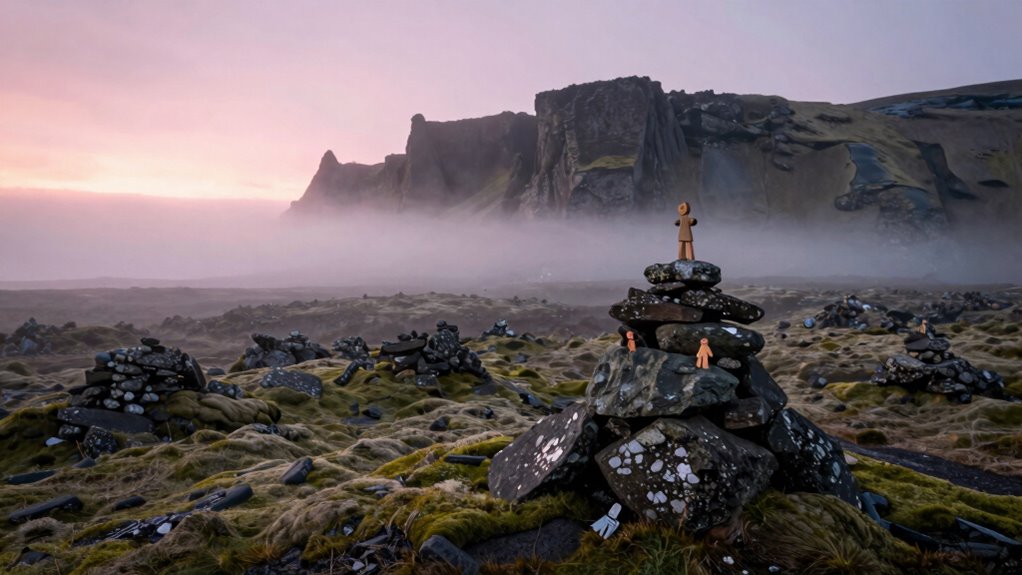
In Iceland, folk beliefs have long woven themselves into daily life, shaping how people see the world around them. These traditions aren’t just stories from the past—they’re part of the present, influencing decisions and everyday routines. When you visit, you quickly realize that Icelanders still hold a deep respect for their mythical creatures, especially elves and trolls. Many locals believe in the existence of elf encounters, and some even go to great lengths to protect these unseen beings. You’ll find roads rerouted or construction paused if there’s a concern about disturbing elf homes. This isn’t just superstition; it’s a sign of genuine reverence. People trust that respecting these legends helps maintain harmony with nature, a core value in Icelandic culture. The preservation of these beliefs also reflects a broader commitment to biodiversity and sustainable living practices, emphasizing harmony with the environment. These legends often serve as environmental guardians, reminding us of the importance of respecting natural landscapes. When you hike through the countryside, it’s easy to imagine that these ancient tales breathe life into the landscape. Locals will tell you about troll sightings or warn you not to wander too far at dusk—just in case. These stories serve as guardians of the land, reminding visitors to tread lightly and respect the environment. Interestingly, many Icelanders see these legends as vital to cultural identity, reinforcing a sense of community and shared heritage. The legends aren’t just bedtime stories; they’re an integral part of how Icelanders understand their world. They foster a sense of connection to the land, making every mountain, stream, or cave seem alive with history and myth. The fascination travelers feel toward these folk beliefs stems from their authenticity. Iceland’s commitment to preserving these legends creates an air of mystery and magic. It’s not unusual to hear about elf encounters from locals with a straight face, or to see signs warning about troll activity. These stories add a layer of enchantment to your journey, turning ordinary sights into extraordinary experiences. Whether you’re exploring the jagged coastlines, the volcanic fields, or the lush valleys, you’re reminded that Iceland’s landscape is a living canvas for myth and legend. This blend of the real and the mythical makes Iceland’s folk beliefs compelling and enduring. They invite travelers to see the country not just as a place of stunning scenery, but as a land where magic still lives—hidden just beneath the surface, waiting to be discovered. Additionally, these beliefs often influence local conservation efforts, showing how folklore can impact environmental practices.
Iceland elf folklore travel guide
As an affiliate, we earn on qualifying purchases.
As an affiliate, we earn on qualifying purchases.
Frequently Asked Questions
How Do Icelanders Incorporate Folk Beliefs Into Modern Life?
You see Icelanders incorporate folk beliefs into modern life through daily rituals and storytelling. They share tales of mythical creatures like elves and trolls, keeping traditions alive. Many follow ritual traditions, such as avoiding building on elf habitats or honoring natural features. These practices connect them to their heritage, blending old beliefs with contemporary life, and ensuring that the magic of Iceland’s folklore remains a vibrant part of their culture.
Are There Specific Regions Where Folk Beliefs Are More Prevalent?
You’ll find folk beliefs more alive in regions like the Westfjords and North Iceland, where regional traditions run deep like roots anchoring a mighty tree. These areas preserve folk storytelling, keeping ancient legends and superstitions close. In these spots, locals often share stories of elves and hidden folk, making the mystical feel like an old friend whispering secrets from the shadows. It’s where tradition and myth dance in harmony.
Do Children in Iceland Learn About the Hidden Folk in School?
In Iceland, children do learn about the hidden folk and their mythic creatures as part of folk traditions and storytelling. Schools often include lessons on Icelandic myths, legends, and mythical creatures, helping kids connect with their cultural heritage. These stories, passed down through generations, keep folk traditions alive and foster a sense of wonder about the hidden folk, making Iceland’s rich folklore a vibrant part of childhood education.
How Do Folk Beliefs Influence Icelandic Art and Culture Today?
Folk beliefs deeply influence Icelandic art and culture today by inspiring images of mythical creatures like elves and trolls, which appear in paintings, sculptures, and literature. You’ll notice ritual practices, such as honoring hidden folk, still influence festivals and community events. These traditions keep Iceland’s mystical history alive, blending ancient stories with modern creativity, and allowing you to experience a culture rooted in enchantment and reverence for its mythical past.
Are There Any Recent Sightings or Stories Related to the Hidden Folk?
You might stumble upon stories of recent sightings of mythical creatures in Iceland, especially during folklore festivals where locals share tales of elves and hidden folk. For example, some say they’ve seen small figures darting behind rocks or trees, reminiscent of a scene from a fantasy novel. These stories keep the legends alive, mesmerizing both locals and travelers, and inspiring new generations to believe in Iceland’s enchanting hidden folk.
As an affiliate, we earn on qualifying purchases.
Conclusion
As you explore Iceland’s mystical landscapes, remember that the island’s ancient folk beliefs continue to whisper their secrets, like echoes of a forgotten world. Just as the elves and hidden folk are woven into the land’s fabric, your journey becomes part of this timeless dance between myth and reality. Embrace the mystery, and let Iceland’s enchanted spirit remind you that some stories are too profound to fade away—forever waiting, just beneath the surface.
As an affiliate, we earn on qualifying purchases.
elf and troll themed outdoor gear
As an affiliate, we earn on qualifying purchases.
As an affiliate, we earn on qualifying purchases.
Fall Picks
fall essentials
As an affiliate, we earn on qualifying purchases.