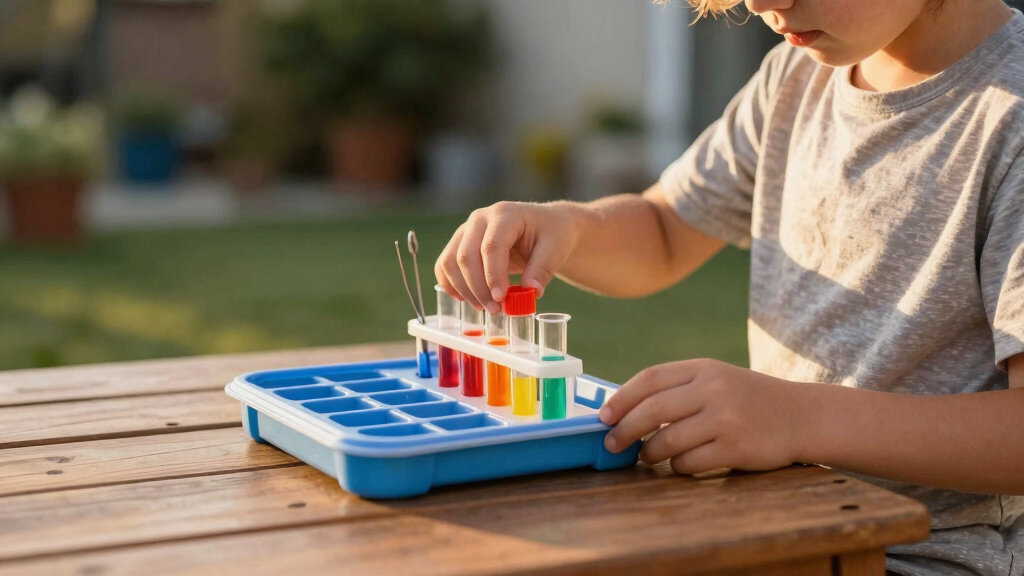

Finding the right educational science kit for kids involves balancing engagement, educational value, and age appropriateness. The National Geographic Microscope for Kids stands out as the best overall for its versatile magnification and quality build. The National Geographic Junior Chemistry Set is an excellent choice for early learners, offering safe, simple experiments. Meanwhile, the UNGILINGA 150 Experiments Kit provides an expansive set for more advanced curiosity. The main tradeoffs involve choosing between complexity and ease of use, as well as balancing price against experiment variety. Continue reading for a detailed comparison to help you pick the perfect fit for your young scientist.
Key Takeaways
- The top kits balance experiment variety with age-appropriate complexity, helping kids stay engaged without feeling overwhelmed.
- Build quality and safety features are key differentiators, especially for younger children or beginners.
- More expensive sets tend to offer a broader range of experiments and higher-quality components, justifying the premium for dedicated science enthusiasts.
- Some kits focus heavily on specific subjects like chemistry or earth science, making them ideal for targeted interests or curriculum supplements.
- Ease of use and clear instructions heavily influence which kits are suitable for parents or educators without scientific backgrounds.
| National Geographic Microscope for Kids – STEM Science Kit with 400x Magnification, Slides, Rocks & Minerals |  | Best Overall for Young Microscopy Enthusiasts | Light Source Type: LED | Magnification Maximum: 400x | Objective Lens Description: Achromatic | VIEW LATEST PRICE | See Our Full Breakdown |
| National Geographic Junior Chemistry Set – Complete Early Learning Lab Kit with 50 Science Experiments and 20+ Lab Tools for Kids 4-6 |  | Best Value for Young Chemists Starting Out | Number of Experiments: 50 | Lab Tools: 20+ | Recommended Age: 4-6 | VIEW LATEST PRICE | See Our Full Breakdown |
| Dan&Darci Root Viewer Kit for Kids |  | Best for Indoor Gardening & Botany Exploration | Includes: transparent viewer box, soil, seeds, stickers, instruction guide | Recommended Age: 4-8 years | Educational Focus: botany, plant growth, science | VIEW LATEST PRICE | See Our Full Breakdown |
| UNGILINGA 150 Experiments Science Kits for Kids, STEM Educational Project Toys for Boys and Girls | 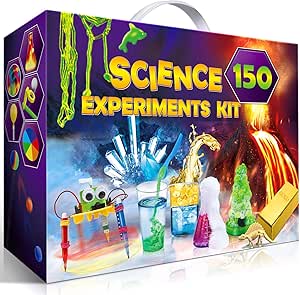 | Best for Extensive STEM Exploration at Home or School | Number of Experiments: 150 | Suitable For: Kids | Includes: Science tools and materials | VIEW LATEST PRICE | See Our Full Breakdown |
| Educational Science Kit for Kids – 56 Experiments with Lab Coat and 70+ Pieces |  | Best for Ages 6-12 Seeking Hands-On STEM Activities | Number of Experiments: 56 | Pieces Included: 70+ | Recommended Age: 6-12 years | VIEW LATEST PRICE | See Our Full Breakdown |
| Creativity for Kids Grow ‘N Glow Terrarium Kit |  | Best Creative and Nature-Inspired Science Activity | Recommended Age: 6+ | Includes: plastic terrarium jar, potting mix, chia and wheatgrass seeds, glow-in-the-dark figurines, stickers | Seeds: packaged in the USA | VIEW LATEST PRICE | See Our Full Breakdown |
| Science Kit for Kids – 80 Experiments, STEM Educational Toy, Scientist Costume Role Play, Birthday Gift for Ages 6-9 |  | Best for Broad Scientific Exploration and Role Play | Number of Experiments: 80 | Age Range: 6-9 years | Included Items: Goggles, chemical materials, petri dishes, test tubes, gloves, droppers, balloons | VIEW LATEST PRICE | See Our Full Breakdown |
| National Geographic Science Magic Kit – 100+ Experiments and Magic Tricks for Kids |  | Best for Combining Science and Magic Fun | Number of Experiments: 100+ | Magic Tricks Included: 20 | Bonus Experiments: 85+ | VIEW LATEST PRICE | See Our Full Breakdown |
| UNGILINGA 40+ Experiments Science Kit for Kids – Chemistry Set, Educational Toy Gift for Boys and Girls |  | Best for Focused Chemistry and Creative Problem Solving | Number of Experiments: Over 40 | Suitable for: Kids | Includes: All necessary materials (excluding household items) | VIEW LATEST PRICE | See Our Full Breakdown |
| National Geographic Amazing Chemistry Set – Science Kit with 100+ Experiments for Kids |  | Best for Extensive Chemistry Exploration | Number of Experiments: 100+ | Bonus Experiments: 85 | Included Tools: test tubes, beakers, pipettes | VIEW LATEST PRICE | See Our Full Breakdown |
| Doctor Jupiter Preschool Science Kit for Kids Ages 3-5 |  | Best for Early Childhood STEM Introduction | Brand: Doctor Jupiter | Age Range: 3+ years | Minimum Age: 36 months | VIEW LATEST PRICE | See Our Full Breakdown |
| Doctor Jupiter My First Science Kit for Kids Ages 4-8 |  | Best for Beginners in STEM | Age Range: 4-8 years | Number of Experiments: 100+ | Standards Met: ASTM F963-17 | VIEW LATEST PRICE | See Our Full Breakdown |
| UNGLINGA 70 Lab Experiments Science Kit for Kids – Educational Chemistry Set with Volcano Eruption, Fruit Circuits, and STEM Activities |  | Best for Versatile Chemistry Play | Number of Experiments: 70 | Includes: Chemistry set, volcano kit, fruit circuits, experiment manual | Age Range: Suitable for kids interested in science | VIEW LATEST PRICE | See Our Full Breakdown |
| National Geographic Earth Science Kit – 100+ Science Experiments & Activities for Kids | 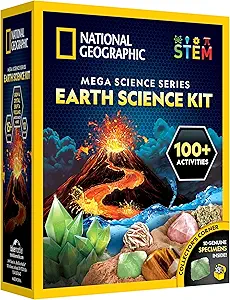 | Best for Earth Science Enthusiasts | Number of Experiments: Over 15 | Includes: Crystal Growing, Volcano Science, Rock Collection, Geologic Dig Kits | Target Audience: Kids, Boys & Girls | VIEW LATEST PRICE | See Our Full Breakdown |
| Doctor Jupiter My First Science Kit for Kids Ages 4-8 |  | Best for Broad STEM Engagement | Number of Experiments: 50+ | Recommended Age: 4-8 years | Safety Standards: ASTM F963-17 | VIEW LATEST PRICE | See Our Full Breakdown |
More Details on Our Top Picks
National Geographic Microscope for Kids – STEM Science Kit with 400x Magnification, Slides, Rocks & Minerals
This microscope kit stands out for its user-friendly design, including easy focus knobs and adjustable lighting, making it ideal for children just starting to explore microscopy. Compared with the National Geographic Junior Chemistry Set, it offers a more specialized experience in the microscopic world, though it doesn’t reach high magnifications suitable for older or more advanced users. Its inclusion of prepared slides, rocks, and minerals makes it a comprehensive STEM package, but the plastic construction might limit long-term durability. The requirement for batteries adds a minor inconvenience. This pick makes the most sense for budding scientists eager to observe tiny details firsthand but less suitable for those who want more advanced magnification or rugged equipment.
Pros:- Easy-to-use focus knobs and adjustable platform for precise specimen viewing
- Includes a variety of slides, rocks, and minerals for educational exploration
- Complete STEM kit with tools and activity guide for hands-on experiments
Cons:- Limited to 400x magnification, less suitable for advanced microscopy needs
- Made of plastic, which might affect durability over time
- Requires batteries, which are not included
Best for: Children interested in microscopy and observing microscopic specimens with an easy-to-use device
Not ideal for: Parents seeking a highly durable, long-lasting microscope for frequent use or older children needing higher magnification
- Light Source Type:LED
- Magnification Maximum:400x
- Objective Lens Description:Achromatic
- Item Dimensions:11″L x 6.7″W x 12″H
- Item Weight:0.97 kg
- Enclosure Material:Plastic
Our verdict“This microscope kit is ideal for young beginners eager to learn about the microscopic world with simple, engaging tools.”
National Geographic Junior Chemistry Set – Complete Early Learning Lab Kit with 50 Science Experiments and 20+ Lab Tools for Kids 4-6
This chemistry set excels at introducing very young children to basic chemistry concepts through 50 simple, engaging experiments, making it a great entry point for early science curiosity. Unlike the UNGILINGA 150 Experiments Science Kit, it focuses on fewer experiments but emphasizes safety and ease of use, which is essential for the 4-6 age group. The included child-safe tools and illustrated guides foster independence, though the scope is limited to basic chemistry and not suitable for older or more advanced learners. Household items are often needed to complete some experiments, adding an extra step. This kit makes perfect sense for parents seeking a safe, manageable way to spark early interest in science but isn’t ideal for children ready for more complex or diverse experiments.
Pros:- Includes 50 engaging, simple experiments to spark curiosity
- Child-safe, durable lab tools included for safe handling
- Easy-to-follow illustrated instructions support independent exploration
Cons:- Limited to basic chemistry suitable for young children
- Requires household items for some experiments
- Not designed for older or more advanced learners
Best for: Parents of preschoolers or early kindergarteners exploring science for the first time
Not ideal for: Families with older children or kids interested in more advanced chemistry experimentation
- Number of Experiments:50
- Lab Tools:20+
- Recommended Age:4-6
- Awards:Toy of the Year Award
Our verdict“This set is perfect for introducing preschoolers to chemistry through safe, manageable activities that build foundational science skills.”
Dan&Darci Root Viewer Kit for Kids
This kit offers a unique window into plant growth, allowing children to observe roots through a transparent planter, making botany tangible and engaging. Compared to the Educational Science Kit for Kids – 56 Experiments, which covers multiple disciplines, this kit narrows focus to plant biology, encouraging responsibility and patience. It’s ideal for children aged 4-8 who enjoy hands-on nature projects but may be less suitable for those seeking broad scientific activities. The need for supervision and proper sunlight can be a drawback, along with limited seed options. Yet, it makes a strong choice for fostering curiosity about plant life and indoor gardening, especially for younger children who love nature stories and visual learning.
Pros:- Provides a clear view of root development for educational fun
- Includes all necessary materials for easy setup
- Encourages responsibility and curiosity about nature
Cons:- Limited to certain seed types (Spring Onion and Cilantro)
- Requires supervision and sunlight for optimal growth
- Possible need for additional plant care resources
Best for: Parents seeking an engaging, easy-to-manage gardening project for children interested in plants and nature
Not ideal for: Kids who want a broad science experience or who lack access to sunlight or supervision for plant care
- Includes:transparent viewer box, soil, seeds, stickers, instruction guide
- Recommended Age:4-8 years
- Educational Focus:botany, plant growth, science
Our verdict“This kit is perfect for beginner gardeners and young learners curious about plant roots and indoor gardening.”
UNGILINGA 150 Experiments Science Kits for Kids, STEM Educational Project Toys for Boys and Girls
This comprehensive kit offers a vast array of 150 experiments covering earth science, chemistry, and physics, making it ideal for children with strong curiosity and a desire for variety. Unlike the Educational Science Kit for Kids – 56 Experiments, which is more moderate and age-specific, this kit provides a broader and more in-depth exploration suitable for older children or those with advanced interests. The included high-quality tools support safe, real-science activities, but adult supervision is necessary, and some experiments may require household items not included. It’s a perfect choice for families or classrooms seeking a deep dive into multiple science disciplines, though it may be overwhelming for very young or beginner learners.
Pros:- Provides a large variety of experiments for sustained engagement
- Includes high-quality tools and materials for safe, hands-on science
- Encourages curiosity and learning across multiple STEM fields
Cons:- Requires adult supervision for safe and proper use
- Some experiments depend on household items not included
- Might be too complex or overwhelming for very young children
Best for: Parents or educators looking for a versatile, extensive science experience for children aged 6 and up
Not ideal for: Younger children or families wanting a quick, simple science activity without the need for supervision or extra household items
- Number of Experiments:150
- Suitable For:Kids
- Includes:Science tools and materials
- Educational Focus:STEM, science, hands-on learning
Our verdict“This kit is best suited for serious young scientists and families seeking an extensive, multi-disciplinary STEM experience.”
Educational Science Kit for Kids – 56 Experiments with Lab Coat and 70+ Pieces
This kit offers a balanced mix of 56 experiments, including volcanoes, slime, and crystals, making it well-suited for children over 6 who enjoy a variety of hands-on projects. Compared with the UNGILINGA 150 Experiments Kit, this set is more manageable and geared toward a slightly younger or beginner audience, with safety gear included to promote responsible experimentation. However, its complexity might feel limited for older children or those seeking more challenging activities. The requirement for some household items like dish soap and water adds convenience but also requires parent involvement. Overall, this kit strikes a good balance for children wanting a broad but accessible science experience, though it may need supplementation for advanced learners.
Pros:- Provides a wide variety of engaging science experiments
- Includes safety gear and durable equipment for safe use
- Encourages STEM learning and hands-on play
Cons:- Requires adult supervision for younger children
- Some household items need to be supplied separately
- Limited in complexity for older or more advanced children
Best for: Parents of children aged 6-12 who want a safe, engaging, and varied science activity set
Not ideal for: Older children or those seeking highly complex or advanced experiments beyond the provided scope
- Number of Experiments:56
- Pieces Included:70+
- Recommended Age:6-12 years
- Safety Gear:Yes
Our verdict“This kit is ideal for children seeking a diverse, safe, and engaging introduction to science activities within a manageable scope.”
Creativity for Kids Grow ‘N Glow Terrarium Kit
This kit stands out for combining hands-on ecology with craft elements, making it ideal for children who enjoy visual, interactive projects. Unlike the more experiment-heavy Science Kit for Kids – 80 Experiments, this kit emphasizes nurturing a mini ecosystem, fostering patience and observation skills. Its glow-in-the-dark feature adds a magical element that keeps kids engaged over several days, though it requires close supervision due to fragile parts and the need for careful handling. Growth time varies, which may test young children’s patience, but the included supplies support multiple uses, providing ongoing fun. Overall, this kit makes the most sense for kids who love nature-based activities and creative expression, rather than those seeking rapid experiment results or complex chemical interactions.
Pros:- Encourages STEM learning through ecological and creative activities
- Includes all supplies needed for multiple uses, offering good value
- Glow-in-the-dark features add visual appeal and fun
Cons:- Requires supervision for young children due to fragile parts and handling
- Growth time can be unpredictable, potentially testing patience
Best for: Families seeking a creative, nature-based science experience that combines craft and ecology for children aged 6+
Not ideal for: Parents looking for quick results or complex chemical experiments, as this project emphasizes slow growth and artistic play
- Recommended Age:6+
- Includes:plastic terrarium jar, potting mix, chia and wheatgrass seeds, glow-in-the-dark figurines, stickers
- Seeds:packaged in the USA
- Growth Time:3-4 days
Our verdict“Best suited for children who enjoy nature, crafting, and visual effects, rather than those seeking fast-paced experiments.”
Science Kit for Kids – 80 Experiments, STEM Educational Toy, Scientist Costume Role Play, Birthday Gift for Ages 6-9
This kit offers a wide array of 80 experiments, making it ideal for children who want variety and a more comprehensive introduction to science than the National Geographic Amazing Chemistry Set. Its inclusion of safety gear and detailed instructions supports independent or guided learning, fostering confidence and curiosity. However, the abundance of small parts raises concerns about choking hazards for younger children, and chemical handling requires adult oversight. Compared with the more specialized chemistry focus of the National Geographic Chemistry Set, this kit covers broader topics, but that means some experiments may be less in-depth. It’s best for kids eager to explore multiple science fields and willing to handle small components safely.
Pros:- Wide variety of engaging experiments across multiple science disciplines
- Includes safety gear and clear instructions for independent use
- Encourages hands-on learning and scientific curiosity
Cons:- Small parts may pose choking risks for younger children
- Some experiments involve chemicals that require careful supervision
Best for: Parents seeking a versatile, all-in-one science kit that covers various experiments for children aged 6-9
Not ideal for: Parents of younger children or those seeking a focused chemistry experience, due to choking hazards and broad scope
- Number of Experiments:80
- Age Range:6-9 years
- Included Items:Goggles, chemical materials, petri dishes, test tubes, gloves, droppers, balloons
Our verdict“A highly versatile kit perfect for curious kids wanting broad scientific exploration, with safety considerations for younger users.”
National Geographic Science Magic Kit – 100+ Experiments and Magic Tricks for Kids
This kit excels at blending magic tricks with science experiments, making it ideal for children who love entertainment alongside learning. With over 100 experiments and 20 magic tricks, it offers a more playful experience than the UNGILINGA 40+ Experiments Science Kit, which focuses solely on chemistry. The magic elements teach physics and chemistry concepts in a captivating way, but some activities may require adult help, especially for younger children. The broad array of experiments and tricks fosters creativity and curiosity, though it limits depth in any one area. Overall, this kit makes sense for kids interested in both science and magic, especially those who thrive on showmanship and visual effects.
Pros:- Includes a large variety of experiments and magic tricks
- Encourages STEM learning through entertaining activities
- Complete with all necessary materials and accessories
Cons:- Some experiments may need adult supervision
- Limited depth in scientific concepts compared to more serious kits
Best for: Kids who enjoy performing magic and exploring science concepts through entertaining activities
Not ideal for: Children looking for in-depth, serious science experiments, as the focus is on fun and presentation
- Number of Experiments:100+
- Magic Tricks Included:20
- Bonus Experiments:85+
Our verdict“Ideal for kids who love combining science with magic tricks and showmanship, with some adult help needed for complex activities.”
UNGILINGA 40+ Experiments Science Kit for Kids – Chemistry Set, Educational Toy Gift for Boys and Girls
This kit provides over 40 chemistry experiments, making it well-suited for children interested in chemical reactions and creative science challenges. Compared with the National Geographic Amazing Chemistry Set, this one emphasizes hands-on chemistry with activities like making lava lamps and bouncy balls, fostering problem-solving and creativity. Its clear instructions support independent learning, though some household items are required that aren’t included, which might complicate setup. It’s a good choice for kids who want a solid chemistry foundation without the overwhelming number of experiments found in larger kits. However, it’s less suitable for children who prefer broader science topics or those who need all materials provided upfront.
Pros:- Provides over 40 engaging chemistry experiments
- Child-friendly instructions support independent use
- Encourages creative problem solving and experimentation
Cons:- Some household items are necessary but not included
- Limited scope to chemistry, less variety in experiments
Best for: Parents seeking a focused chemistry set that encourages creative experimentation and problem solving for kids
Not ideal for: Children interested in diverse science topics or those who prefer kits with all items included, due to some household item requirements
- Number of Experiments:Over 40
- Suitable for:Kids
- Includes:All necessary materials (excluding household items)
Our verdict“Best for kids who are passionate about chemistry and creative experiments, with some household prep needed.”
National Geographic Amazing Chemistry Set – Science Kit with 100+ Experiments for Kids
This set shines for its comprehensive collection of over 100 experiments, including crystal growing and color-changing solutions, making it the most extensive chemistry kit in this lineup. Its inclusion of tools like test tubes, beakers, and pipettes supports detailed scientific work, similar to the Science Kit for Kids – 80 Experiments, but with a stronger emphasis on chemistry. The addition of 85 bonus experiments extends learning and experimentation time. However, younger children may need adult supervision, and some experiments require household items not included, which could complicate setups. The safety precautions are not extensively detailed, so parents should review them before use. This kit makes the most sense for children with a serious interest in chemistry or those pursuing STEM projects over a longer period.
Pros:- Offers over 100 detailed, hands-on experiments
- Includes all necessary tools and materials
- Provides additional bonus experiments for extended exploration
Cons:- Requires adult supervision for safety
- Some experiments need household items not included
- Limited safety information available
Best for: Serious young science enthusiasts and aspiring chemists seeking a large, detailed chemistry kit
Not ideal for: Parents looking for simpler, less involved kits for younger children, due to the complexity and need for supervision
- Number of Experiments:100+
- Bonus Experiments:85
- Included Tools:test tubes, beakers, pipettes
Our verdict“Ideal for ambitious kids interested in serious chemistry, with careful supervision and parental review of safety needed.”
Doctor Jupiter Preschool Science Kit for Kids Ages 3-5
This preschool science kit stands out for its extensive collection of over 100 hands-on activities tailored specifically for children aged 3 to 5. Unlike larger, more complex kits such as the National Geographic Earth Science Kit, it emphasizes sensory play and simple experiments that are safe and accessible for very young children. Its child-safe, food-grade materials and clear instructions make it a reliable choice for parents wanting safe, screen-free exploration. The inclusion of online activity access adds an engaging digital dimension, though some experiments may require adult supervision, and the durability of tools isn’t specified. This kit is ideal for parents seeking an early STEM experience that balances fun and safety for preschoolers.
Pros:- Over 100 engaging, age-appropriate science activities
- Made with child-safe, food-grade materials for safety
- Includes clear, illustrated instructions and online access
Cons:- Some experiments may need adult supervision for safety
- Limited information on the durability of included tools
Best for: Parents of preschoolers (ages 3-5) who want a comprehensive, safe introduction to science concepts.
Not ideal for: Families with older children or those seeking more advanced or complex experiments, as the activities are tailored to very young learners.
- Brand:Doctor Jupiter
- Age Range:3+ years
- Minimum Age:36 months
- Model Number:DJ Preschool Science
- Manufacturer:Metis Learning Solutions Pvt. Ltd.
- Unit Count:1
- Included Components:Beaker, Conical Flask, Cups, Stirring Sticks, Color Mixing Tray, Spatula, Funnel, Spray Bottle, Bubble Wand, Face Mask, Tablets, Aroma Bags, Snowman Mold, pH Paper, Instruction Manual, Online Activity Access
- Best Sellers Rank:#2,376 in Toys & Games, #17 in Educational Science Kits
Our verdict“This kit suits parents of preschoolers looking for a safe, comprehensive, and engaging science introduction for young children.”
Doctor Jupiter My First Science Kit for Kids Ages 4-8
This science kit is designed to introduce children aged 4 to 8 to the fundamentals of science with over 100 experiments, making it a strong choice for early STEM curiosity. Compared with the National Geographic Earth Science Kit, it offers a broader range of experiments that focus on critical thinking and hands-on learning, though it is limited to the 4-8 age range. Its straightforward instructions make it accessible for kids to try independently with minimal adult help, but some experiments may still require supervision. This kit works best for parents who want a well-rounded, beginner-friendly STEM kit that encourages independent exploration.
Pros:- Over 100 experiments to sustain engagement
- Encourages critical thinking and STEM skills
- Easy-to-follow instructions suitable for children and parents
Cons:- May require adult supervision for some experiments
- Limited to the 4-8 age range, not suitable for older kids
Best for: Parents of children aged 4-8 wanting a beginner-friendly, engaging science kit that promotes critical thinking.
Not ideal for: Parents of very young children (under 4) or those seeking highly advanced experiments, as the activities are designed for early learners.
- Age Range:4-8 years
- Number of Experiments:100+
- Standards Met:ASTM F963-17
Our verdict“This kit is perfect for parents seeking an accessible, comprehensive STEM introduction for early elementary children.”
UNGLINGA 70 Lab Experiments Science Kit for Kids – Educational Chemistry Set with Volcano Eruption, Fruit Circuits, and STEM Activities
The UNGLINGA 70 Lab Experiments Kit excels in offering a diverse array of chemistry-based activities, from volcano eruptions to crystal growing, appealing to children interested in chemical reactions and problem-solving. Compared with the Doctor Jupiter My First Science Kit, it provides a wider variety of experiments focused on chemistry and STEM exploration, though some components may be small for younger children, requiring supervision. Its inclusion of safe, child-friendly ingredients enhances its appeal, but the manual’s simplicity might not satisfy older or more experienced young science enthusiasts. This set is best for kids with a budding interest in chemistry and a desire for varied experiments.
Pros:- Wide variety of engaging experiments
- Encourages STEM learning and scientific reasoning
- Includes safe, child-friendly ingredients
Cons:- Requires adult supervision for some experiments
- Some components are small and may pose choking hazards for younger children
Best for: Parents of kids interested specifically in chemistry and STEM activities, ages roughly 6 and up, who want a broad experiment selection.
Not ideal for: Parents of very young children or those who prefer a single-focus or less complex kit, as some components and instructions may be too advanced or small for smaller kids.
- Number of Experiments:70
- Includes:Chemistry set, volcano kit, fruit circuits, experiment manual
- Age Range:Suitable for kids interested in science
Our verdict“Ideal for children interested in chemistry and problem-solving, seeking a broad, hands-on STEM experience.”
National Geographic Earth Science Kit – 100+ Science Experiments & Activities for Kids
This comprehensive kit offers over 15 experiments that explore earth sciences, including volcanoes, crystal growth, and geologic digs, making it a compelling choice for budding geologists. Compared with the Doctor Jupiter My First Science Kit, it provides more advanced content and a detailed learning guide, which helps build confidence in young learners. Its variety of activities encourages curiosity about the planet, though some experiments may require adult supervision, and the total count of items might be limited for sustained use. This kit is best suited for children fascinated by geology and earth history, eager for more detailed scientific exploration.
Pros:- Wide variety of engaging earth science experiments
- Includes a detailed learning guide
- Builds confidence with easy-to-follow instructions
Cons:- May require adult supervision for some activities
- Limited number of total items compared to the number of experiments
Best for: Parents of children interested in earth sciences and geology, especially those seeking a more detailed, educational experience.
Not ideal for: Younger children or families looking for simple, quick experiments, as some activities are more involved and require supervision.
- Number of Experiments:Over 15
- Includes:Crystal Growing, Volcano Science, Rock Collection, Geologic Dig Kits
- Target Audience:Kids, Boys & Girls
Our verdict“Perfect for earth science enthusiasts who want a detailed, engaging exploration of geology and planetary science.”
Doctor Jupiter My First Science Kit for Kids Ages 4-8
This kit offers over 50 experiments that aim to spark interest in STEM fields for children aged 4 to 8, combining engaging activities with safety standards like ASTM F963-17. While it provides a solid range of experiments, it’s somewhat less comprehensive than the 100+ experiment kits like Doctor Jupiter My First Science Kit for Ages 4-8. Its clear instructions promote independent exploration, but some experiments might need household items, which could be inconvenient for some parents. The limited number of experiments means it’s better suited for shorter-term projects or as an introductory kit. This pick is ideal for parents seeking a safe, straightforward STEM kit that encourages curiosity without overwhelming complexity.
Pros:- Over 50 fun, educational experiments
- Encourages critical thinking and STEM learning
- Includes well-illustrated, easy-to-follow instructions
Cons:- Some experiments may need additional household items
- Limited total number of experiments compared to larger kits
Best for: Parents of children aged 4-8 who want a manageable, safe STEM kit with a good variety of experiments for initial exploration.
Not ideal for: Families seeking highly extensive or advanced experiment sets, or those wanting a kit with over 100 activities.
- Number of Experiments:50+
- Recommended Age:4-8 years
- Safety Standards:ASTM F963-17
Our verdict“This kit is well-suited for parents seeking a manageable, engaging STEM introduction for children in the 4-8 age range.”
How We Picked
Our evaluation focused on several key criteria: the range and quality of experiments, ease of use, safety features, durability, and value for money. We prioritized kits that offer comprehensive educational content without overwhelming young users and those that include safety gear like lab coats or goggles. Kits with clear instructions and age-appropriate complexity ranked higher, as they facilitate independent exploration and learning. We also considered user reviews and brand reputation to ensure consistent quality. This approach ensures that each kit on this list provides a meaningful, safe, and engaging experience tailored to different learning stages and budgets.Factors to Consider When Choosing Educational Science Kits For Kids
Choosing the right science kit depends on your child’s age, interests, and your educational goals. It’s important to consider how much supervision is needed, the variety of experiments, and the safety features included. Some kits are better suited for beginners or younger children, while others are designed for more advanced students or curious families looking for a comprehensive experience. Being aware of these factors can help you avoid common pitfalls, such as buying a kit that’s too complex or lacking in safety measures. Here are key considerations to guide your decision:Age Appropriateness and Skill Level
Matching the kit to your child’s age and skill level is essential for sustained engagement and safety. Kits designed for preschoolers focus on simple, hands-on activities, while those for older children often include more detailed experiments that require reading and fine motor skills. Choosing a kit that’s too advanced can frustrate your child, while one that’s too simple might bore them quickly. Consider your child’s current interests and learning stage when selecting a kit to ensure it provides a rewarding challenge without unnecessary complexity.
Experiment Range and Educational Content
A diverse set of experiments keeps children engaged and exposes them to different scientific concepts. Look for kits that include a variety of activities—such as chemistry, biology, earth science, or physics—so kids can explore multiple fields. However, more experiments often mean a higher cost and longer setup times. Balance the number of activities with your child’s attention span and your available time for supervision, choosing a kit that offers depth in topics your child is curious about.
Safety Features and Material Quality
Safety should be a top priority, especially with kits that include small parts, chemicals, or sharp tools. High-quality materials and safety gear like goggles, gloves, or lab coats are signs of a well-made kit. Cheaper kits may cut corners on safety, increasing risk of accidents or frustration. Always check for certifications or safety warnings, and supervise children during experiments to prevent mishaps. Investing in a kit with solid safety features can save you stress and ensure your child’s well-being.
Ease of Use and Instructions
Clear, step-by-step instructions are vital for fostering independence and confidence in young scientists. Look for kits with visual guides, detailed explanations, and minimal setup complexity. Overly complicated instructions can discourage use or lead to mistakes, undermining the educational experience. Some kits include digital components or videos, which can enhance understanding but also add to cost. Prioritize user-friendly designs that match your child’s reading level and your ability to assist when needed.
Price and Value
While investing in a more expensive kit can provide a richer experience, many budget-friendly options still deliver excellent learning opportunities. Consider how many experiments are included, the quality of materials, and whether the kit offers long-term value. Cheaper kits might require additional purchases later, so evaluate the overall cost versus educational benefit. For dedicated science enthusiasts, spending more upfront on a comprehensive set can be worthwhile, but for casual exploration, simpler and less costly options may suffice.
Frequently Asked Questions
Are science kits safe for preschoolers?
Yes, many science kits designed for preschoolers are built with safety in mind, featuring non-toxic materials, larger parts, and minimal chemicals. However, adult supervision remains essential to prevent accidental ingestion or misuse. Always check age recommendations and safety warnings before purchasing, and supervise children during experiments to ensure they follow instructions properly. Choosing kits with safety gear like goggles and gloves further reduces risk and encourages responsible experimentation.
How do I choose a science kit suitable for my child’s interests?
Identifying your child’s specific curiosity—whether it’s chemistry, biology, earth science, or physics—helps narrow your options. Many kits are themed around particular subjects, making them more engaging for kids passionate about a certain area. Consider their current knowledge level and whether the kit offers enough depth to challenge and inspire them. Observing their reactions to different scientific activities can also guide future purchases, ensuring each new kit aligns with their evolving interests.
Can science kits replace formal science education?
While science kits provide hands-on, experiential learning that complements formal education, they shouldn’t replace classroom instruction. Instead, they serve as engaging tools to reinforce concepts, stimulate curiosity, and develop critical thinking skills outside school hours. Well-chosen kits can spark a lifelong interest in science, but they work best when integrated into a broader learning plan that includes reading, discussions, and classroom activities. Balance is key to fostering a comprehensive understanding of scientific principles.
What is the best age range for most science kits?
Many science kits are designed for children aged 4 to 12, with specific recommendations varying by product. Kits for younger children often emphasize simple, safe activities that develop fine motor skills and basic concepts, while those for older children introduce more complex experiments that require reading and problem-solving. Always check the manufacturer’s age guidelines to ensure the kit aligns with your child’s developmental stage. Selecting age-appropriate kits enhances engagement and safety, making scientific exploration enjoyable and educational.
Should I choose a kit with more experiments or higher-quality components?
Deciding between quantity and quality depends on your child’s interests and your budget. Kits with more experiments offer variety and extended use, which can be great for curious children who love exploring different topics. However, higher-quality components—such as durable tools, safe chemicals, and detailed instructions—provide a safer and more effective learning experience. If your child is particularly enthusiastic about science, investing in a kit with quality materials can make a significant difference in safety and educational value, even if it means fewer experiments overall.
Conclusion
For parents seeking the best overall experience, the National Geographic Microscope for Kids offers versatility and quality. Those on a budget or looking for quick fun might prefer the Doctor Jupiter My First Science Kit. Families new to science exploration should consider beginner-friendly options like the Doctor Jupiter Preschool Science Kit. For dedicated young scientists or those interested in chemistry, the National Geographic Amazing Chemistry Set or UNGILINGA 150 Experiments Kit provide extensive learning opportunities. Ultimately, your choice should match your child’s age, interests, and your educational goals, ensuring a safe and inspiring scientific journey.