

Finding the right science experiment kits for teachers involves balancing educational value, ease of use, and budget. The best overall pick, UNGLINGA 150 Experiments Science Kits, offers extensive experiments suitable for diverse classroom settings. Meanwhile, options like the National Geographic Chemistry Set excel in engaging students with hands-on chemistry, but may come with higher costs. Many kits vary in complexity, scope, and durability, making it crucial to match the kit to your teaching goals. Continue reading for a detailed breakdown to help you choose the best fit for your classroom needs.
Open a free Amazon Business account
Business pricing, bulk buying and tax-exempt orders.
Create a free accountAs an affiliate, we earn on qualifying purchases.
Key Takeaways
- The most versatile kits combine a broad range of experiments with clear instructions, making them ideal for varied lesson plans.
- Durability and safety features are key, especially for classroom use with multiple students.
- Higher-priced kits often provide better quality materials and more comprehensive curricula, but budget options can still deliver value for introductory needs.
- Supplementary resources like teacher guides and student activity sheets significantly enhance the learning experience.
- Tradeoffs between scope and complexity mean you should consider your students’ age and skill level when selecting a kit.
| UNGlinga 150 Experiments Science Kits for Kids – Chemistry Lab STEM Toys |  | Best Overall for Wide-Ranging Exploration | Brand Name: UNGlinga | Age Range: 8 years and up | Number of Experiments: 150 | VIEW LATEST PRICE | See Our Full Breakdown |
| UNGLINGA 50+ Science Lab Experiments Kit for Kids, STEM Activities |  | Best Value for Focused STEM Learning | Brand: UNGLINGA | Age Range: 8 years and up | Number of Items: 1 | VIEW LATEST PRICE | See Our Full Breakdown |
| Carson Dellosa STEM Challenges, Hands-On Science Kits |  | Best for Classroom or Homeschool Challenge-based Learning | Number of Cards: 30 | Recommended Grades: 2-5 | Card Dimensions: 7¾ inches x 5½ inches | VIEW LATEST PRICE | See Our Full Breakdown |
| Doctor Jupiter Ultimate Science Experiments Kit for Kids Ages 8+ |  | Best for Extensive STEM Exploration at Home | Number of Items: 1 | Age Range: 8 Years and above | Educational Objective: STEM | VIEW LATEST PRICE | See Our Full Breakdown |
| National Geographic Science Magic Kit for Kids with 100+ Experiments and Magic Tricks |  | Best for Combining Magic and Science Fun | Brand: Blue Marble | Age Range: 8 years and up | Number of Packs: 1 | VIEW LATEST PRICE | See Our Full Breakdown |
| EUDAX Fruit Battery Science Experiment Kit for DIY School and Home Teaching |  | Best for Hands-On Electrical Projects in Middle School | Package Includes: 4 copper sheets, 4 zinc sheets, 1 electronic clock, 2 RGB LEDs, 2 Red LEDs, 2 wires with clips | Recommended Fruits: Apples, oranges, potatoes, lemons, tomatoes, cola, pears, pineapples, salt solutions | Maintenance: Rinse with water after use, dry, and keep sealed for reuse | VIEW LATEST PRICE | See Our Full Breakdown |
| EUDAX Physics Science Lab Learning Circuit Kit, Electricity Experiment Set for Students |  | Best for Exploring Electricity and Magnetism in Middle and High School | Includes: Wires, bulbs, switches, LED, electromagnet, hand crank generator, wind power car, compass, screwdriver, storage box | Recommended Grades: 7-11 | Batteries Needed: 2 x AA batteries (not included) | VIEW LATEST PRICE | See Our Full Breakdown |
| National Geographic Earth Science Kit with 100+ Activities for Kids 8-12 | 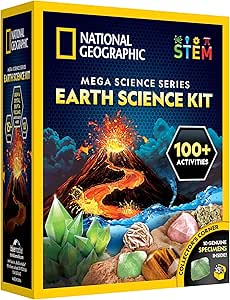 | Best for Broad Earth Science Exploration in the Classroom | Brand: Blue Marble | Age Range: 8 years and up | Objective: STEM | VIEW LATEST PRICE | See Our Full Breakdown |
| National Geographic Junior Chemistry Set with 50 Experiments for Kids |  | Best for Early Chemistry Exploration in Young Children | Brand: Blue Marble | Age Range: 4 years and up | Educational Objective: STEM | VIEW LATEST PRICE | See Our Full Breakdown |
| UNGINGA 40+ Experiments Science Kit for Kids Chemistry Set STEM Toy |  | Best for Creative and Observation Skills in Older Kids | Brand Name: UNGINGA | Age Range: 8 years and up | Educational Objective: Creative Skills, Imagination Development, Observation Skills | VIEW LATEST PRICE | See Our Full Breakdown |
| Science Kit for Kids – 80 Science Lab Experiments with Scientist Role Play |  | Best for Interactive Learning and Young Children | Number of Experiments: 80 | Age Range: 6+ years | Includes: Goggles, chemical materials, petri dishes, test tubes, gloves, droppers, balloons, and more | VIEW LATEST PRICE | See Our Full Breakdown |
| National Geographic Amazing Chemistry Set with 100+ Experiments for Ages 8-12 |  | Best for In-Depth Chemistry Exploration | Brand: Blue Marble | Age Range: 8 years and up | Educational Objective: STEM | VIEW LATEST PRICE | See Our Full Breakdown |
| The Everything Kids’ Science Experiments Book: Boil Ice, Float Water, Measure Gravity – Challenge the World Around You! | 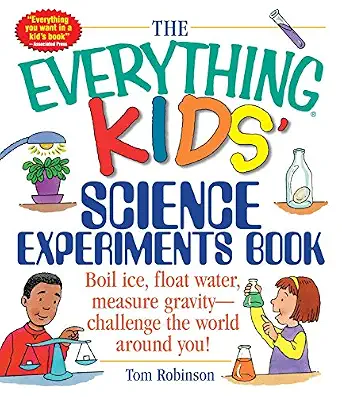 | Best for Self-Guided Learning and Inspiration | VIEW LATEST PRICE | See Our Full Breakdown |
| science experiment kits for teacher | Age Range |
|---|---|
| UNGlinga 150 Experiments Scien | 8 years and up |
| UNGLINGA 50+ Science Lab Exper | 8 years and up |
| Carson Dellosa STEM Challenges | — |
| Doctor Jupiter Ultimate Scienc | 8 Years and above |
| National Geographic Science Ma | 8 years and up |
| EUDAX Fruit Battery Science Ex | — |
| EUDAX Physics Science Lab Lear | — |
| National Geographic Earth Scie | 8 years and up |
| National Geographic Junior Che | 4 years and up |
| UNGINGA 40+ Experiments Scienc | 8 years and up |
| Science Kit for Kids | 6+ years |
| National Geographic Amazing Ch | 8 years and up |
| The Everything Kids’ Science E | — |
More Details on Our Top Picks
UNGlinga 150 Experiments Science Kits for Kids – Chemistry Lab STEM Toys
This kit stands out for its impressive collection of 150 experiments, covering a broad spectrum of science topics such as earth science, chemistry, and physics. Compared with the Doctor Jupiter Ultimate Science Experiments Kit, it offers more experiments in a single package, making it ideal for sustained engagement. However, the reliance on household items and limited safety info mean it’s better suited for older children with adult supervision. The included tools are kid-friendly and durable, supporting hands-on learning that fosters curiosity. Still, the need for adult oversight on some experiments is a tradeoff for its extensive variety. Overall, this kit makes the most sense for educators or parents seeking a comprehensive science experience that encourages independent exploration, with the understanding that safety precautions should be carefully managed.
Pros:- Offers 150 experiments for diverse science topics
- Includes high-quality, easy-to-use tools
- Encourages curiosity and hands-on learning
Cons:- Requires household items for some experiments
- Limited safety guidance included
- Some tools may need adult supervision
Best for: Teachers or parents looking for a versatile, all-in-one science kit to sustain a wide range of experiments for children aged 8 and up
Not ideal for: Those seeking a beginner-friendly kit with minimal supervision requirements or focus on safety instructions, as some experiments need adult oversight
- Brand Name:UNGlinga
- Age Range:8 years and up
- Number of Experiments:150
- Included Components:science experiments tools and materials
- Best Sellers Rank:#1,879 in Toys & Games, #12 in Educational Science Kits
Our verdict“This kit is perfect for educators or parents wanting extensive science exploration, provided safety is carefully managed.”
UNGLINGA 50+ Science Lab Experiments Kit for Kids, STEM Activities
Compared with the UNGlinga 150 Experiments Kit, this set offers a more manageable selection of over 50 experiments that emphasize core STEM concepts. It’s ideal for introducing children to foundational science skills using household materials, with detailed guides that support independent learning. While it lacks the sheer variety of the larger kit, it’s more affordable and easier to handle for younger children or classroom settings with limited space. However, the exclusion of some common household liquids and materials means you’ll need to supplement supplies. This kit is best suited for educators or parents seeking a focused, budget-friendly way to build critical thinking in children 8 and older, without overwhelming them with options.
Pros:- Provides over 50 engaging, educational experiments
- Includes an easy-to-follow learning guide
- Encourages critical thinking with household items
Cons:- Requires additional household liquids and materials
- Limited to children 8 and older
- Less variety than larger kits
Best for: Teachers or parents wanting a straightforward, affordable STEM kit to introduce core science concepts to children ages 8+
Not ideal for: Those wanting a wide variety of experiments or with younger children who might need more guided supervision, as some materials are not included
- Brand:UNGLINGA
- Age Range:8 years and up
- Number of Items:1
- Objective:Educational STEM activities
- Included Components:Experiments materials
- Best Sellers Rank:#13,735 in Toys & Games, #125 in Educational Science Kits
Our verdict“This kit offers a focused, budget-conscious way to foster STEM skills for children ready for more independent experimentation.”
Carson Dellosa STEM Challenges, Hands-On Science Kits
This set offers a structured approach with 30 challenge cards designed for grades 2-5, promoting active learning through problem-solving and hands-on activities. Unlike the more open-ended kits like UNGlinga 150 Experiments, it focuses on specific challenges that promote critical thinking within a classroom or homeschool environment. The activities are simple, using common materials, but some challenges may require additional supplies or adult supervision, especially for younger students. Its organized storage and clear instructions make it ideal for group settings or lesson planning, though it doesn’t cover a broad range of science topics. This makes it perfect for educators seeking targeted, engaging challenges that develop scientific reasoning rather than broad experimentation.
Pros:- Encourages problem-solving with 30 challenge cards
- Uses simple, common materials
- Organized storage with a divider
Cons:- Limited to science challenges only
- Some activities need additional materials
- May require adult supervision for younger children
Best for: Elementary teachers or homeschool educators seeking structured, challenge-based STEM activities for grades 2-5
Not ideal for: Parents or teachers looking for a comprehensive experiment kit or broader science topics, as this focuses on specific challenges
- Number of Cards:30
- Recommended Grades:2-5
- Card Dimensions:7¾ inches x 5½ inches
- Includes Divider:Yes
Our verdict“This kit suits educators wanting structured, challenge-driven STEM activities that promote critical thinking in elementary students.”
Doctor Jupiter Ultimate Science Experiments Kit for Kids Ages 8+
Compared with the UNGlinga 150 Experiments Kit, this set offers over 135 experiments, emphasizing creativity and STEM learning with a focus on engaging activities like glowing water and underwater volcanoes. It’s particularly well-suited for parents or teachers seeking a comprehensive, interactive experience that encourages experimentation and parent-child bonding. The inclusion of household items makes setup straightforward, but some experiments might require additional supplies, which can be a minor inconvenience. Its highly rated manual and diverse activities promote sustained interest. This kit is ideal for families or educators wanting an extensive, engaging STEM experience for children 8 and older, with the understanding that some supervision and supplementary materials may be needed.
Pros:- Over 135 experiments for extensive fun
- Encourages creativity and STEM skills
- Uses household items for easy setup
Cons:- Requires adult supervision for younger children
- Some experiments need additional household items
- Potentially lengthy setup and cleanup
Best for: Parents or teachers seeking a large, engaging, and creative STEM kit for children 8 and above that encourages parent-child interaction
Not ideal for: Those preferring a smaller or less complex kit, or seeking a kit with minimal supervision requirements, as some experiments need adult oversight
- Number of Items:1
- Age Range:8 Years and above
- Educational Objective:STEM
- Included Components:Measuring Cylinder, Flask, Spatula, etc.
- Model Number:DJ
- Best Sellers Rank:#671 in Toys & Games, #2 in Educational Science Kits
Our verdict“This kit is excellent for families or educators wanting a broad, creative STEM experience with a focus on bonding and exploration.”
National Geographic Science Magic Kit for Kids with 100+ Experiments and Magic Tricks
This kit offers a unique twist by blending magic tricks with science experiments, making it especially appealing for children interested in both areas. With over 100 experiments plus 85+ magic tricks, it provides a comprehensive package that fosters creativity and curiosity. Compared to the UNGLINGA kits, which focus solely on scientific experiments, this kit balances entertainment with learning, ideal for engaging children who enjoy performing and visual effects. However, some magic tricks may be complex for younger children and require adult help. While it’s not designed for deep scientific exploration, it’s perfect for classroom demonstrations or fun science parties, making science approachable and exciting through magic.
Pros:- Includes over 100 science experiments and magic tricks
- Suitable for children 8 and older
- Comprehensive with all necessary components
Cons:- Magic tricks can be complex for some children
- Requires adult supervision for some activities
- Limited scientific depth compared to traditional kits
Best for: Teachers or parents wanting a fun, engaging way to introduce children 8 and older to science through magic tricks and experiments
Not ideal for: Those seeking a traditional experiment-focused kit or educational depth, as the emphasis is on magic and entertainment
- Brand:Blue Marble
- Age Range:8 years and up
- Number of Packs:1
- Included Components:20 magic experiments, 85+ additional tricks
- Model Number:NGMEGAMAGIC
- UPC:816448027680
- Manufacturer:JMW Sales, Inc.
Our verdict“This kit is ideal for educators and parents wanting to combine science with magic to create an engaging, fun learning environment.”
EUDAX Fruit Battery Science Experiment Kit for DIY School and Home Teaching
This kit stands out for its engaging approach to teaching electrical principles through simple, real-world experiments like building fruit-powered clocks and LED circuits. Compared with the National Geographic Earth Science Kit, which offers a broader range of geoscience activities, the EUDAX kit focuses tightly on electricity, making it ideal for hands-on learning in electrical circuits. Its components promote creativity but require careful handling, especially for younger students, and some assembly steps can be complex. The inclusion of multiple components provides versatility, but the need for supervision and attention to polarity can be a hurdle for inexperienced users.
Pros:- Encourages hands-on learning and scientific exploration
- Includes multiple components for versatile experiments
- Suitable for classroom and home use with supervision
Cons:- Requires careful handling of electronic components and polarity
- LED effects are more visible in dim environments
Best for: Middle school teachers looking to introduce electrical concepts through practical, creative experiments
Not ideal for: Elementary teachers or those seeking a comprehensive earth science curriculum, as this kit is narrowly focused on electrical circuits
- Package Includes:4 copper sheets, 4 zinc sheets, 1 electronic clock, 2 RGB LEDs, 2 Red LEDs, 2 wires with clips
- Recommended Fruits:Apples, oranges, potatoes, lemons, tomatoes, cola, pears, pineapples, salt solutions
- Maintenance:Rinse with water after use, dry, and keep sealed for reuse
- Suitable For:Middle school students, classroom demonstrations, home education
Our verdict“This kit is perfect for middle school educators aiming to deepen understanding of electrical circuits through engaging, DIY experiments.”
EUDAX Physics Science Lab Learning Circuit Kit, Electricity Experiment Set for Students
This kit excels in offering a comprehensive set for exploring fundamental electrical concepts, including circuits, electromagnets, and generators. Unlike the National Geographic Earth Science Kit, which emphasizes geosciences, this set is tailored to physics students interested in electricity and magnetism. Its diverse components and detailed manuals promote deep engagement, but the need for 2 AA batteries (not included) and some assembly requirements make it less accessible for younger, less experienced students. It’s well-suited for classrooms aiming to build foundational electrical skills but may challenge beginners with complex projects.
Pros:- Comprehensive set for multiple electrical projects
- Includes detailed manuals and a variety of components
- Ideal for educational settings in middle and high school
Cons:- Requires 2 AA batteries, which are not included
- Some projects need prior understanding of circuits
Best for: High school teachers and advanced middle school educators seeking detailed electrical experiments
Not ideal for: Elementary teachers or those requiring simple, beginner-friendly kits, as this involves more complex assembly and understanding
- Includes:Wires, bulbs, switches, LED, electromagnet, hand crank generator, wind power car, compass, screwdriver, storage box
- Recommended Grades:7-11
- Batteries Needed:2 x AA batteries (not included)
Our verdict“This kit is best for educators who want to teach electricity with in-depth, hands-on projects that challenge students’ understanding.”
National Geographic Earth Science Kit with 100+ Activities for Kids 8-12
This kit offers an impressive variety of over 100 experiments, making it ideal for introducing students to multiple geoscience topics such as volcano eruptions, crystal growing, and fossils. Compared with the UNGINGA 40+ Experiments Kit, which provides fewer activities but with a focus on chemistry, this Earth science kit covers a broader scope suitable for classroom settings. While its extensive activity list fosters curiosity, some teachers might find the instructions too basic or the included materials less durable for ongoing use. It’s best suited for active, exploration-based lessons rather than detailed scientific analysis.
Pros:- Over 100 engaging science activities
- Educational content with a detailed learning guide
- Includes experiments like volcanoes and crystal growing
Cons:- May require adult supervision for some experiments
- Limited info on durability of materials
Best for: Elementary and middle school teachers wanting a versatile, engaging earth science curriculum
Not ideal for: Teachers seeking specialized or advanced geoscience experiments, as this kit is more introductory
- Brand:Blue Marble
- Age Range:8 years and up
- Objective:STEM
- Number of Items:1
- Included Components:100+ Science Experiments & Activities
Our verdict“This kit is ideal for teachers looking to inspire curiosity across multiple earth science topics with a wide array of activities.”
National Geographic Junior Chemistry Set with 50 Experiments for Kids
This set provides a safe, accessible introduction to chemistry for children as young as 4, with over 20 kid-friendly tools and 50 experiments using household items. Unlike the UNGINGA 40+ Experiments Kit, which targets slightly older children, this set emphasizes safety and simplicity, making it perfect for early STEM engagement. Its illustrated instructions are clear, but the limited complexity of experiments might not sustain long-term interest for older kids. It’s a good starter kit for fostering early curiosity in chemistry but less suitable for more advanced exploration.
Pros:- Includes over 20 child-safe lab tools
- 50 engaging experiments with clear illustrations
- Suitable for children aged 4 and up
Cons:- Requires adult supervision for safety
- Limited to basic chemistry experiments
Best for: Early childhood educators and parents seeking a safe, introductory chemistry kit for preschool and early elementary students
Not ideal for: Older children or teachers needing more advanced chemistry experiments, as this set is designed for very young learners
- Brand:Blue Marble
- Age Range:4 years and up
- Educational Objective:STEM
- Set Name:National Geographic Junior Chemistry Set
- Item Count:1
Our verdict“This set is ideal for fostering early interest in chemistry among preschool and early elementary students with simple, safe activities.”
UNGINGA 40+ Experiments Science Kit for Kids Chemistry Set STEM Toy
This set offers over 40 experiments that encourage creativity and problem-solving, such as making bouncy balls and lava lamps. Compared with the National Geographic Junior Chemistry Set, which targets younger children, the UNGINGA kit is better suited for older kids (8+), focusing on more varied and slightly more complex activities. Its comprehensive instructions and included materials make it easy to use, but some experiments may require household items and adult supervision. This kit works well for classrooms aiming to develop observation and fine motor skills while keeping the activities fun.
Pros:- Over 40 engaging experiments
- Clear, illustrated instructions
- Includes all necessary materials for most activities
Cons:- Some household items may be needed
- Limited to educational and entertainment purposes
Best for: Teachers seeking to enhance creativity and observation skills in children aged 8 and up
Not ideal for: Younger children or classrooms where simple, safe experiments are preferred, as this kit involves more complex activities
- Brand Name:UNGINGA
- Age Range:8 years and up
- Educational Objective:Creative Skills, Imagination Development, Observation Skills
- Set Name:40+ experiments kit
- Number of Items:1
Our verdict“This kit is excellent for educators aiming to foster creativity and observation skills in children ready for more involved experiments.”
Science Kit for Kids – 80 Science Lab Experiments with Scientist Role Play
This kit stands out for offering a large variety of 80 experiments, making it ideal for classrooms that want to maximize hands-on activities without needing multiple kits. Compared with the National Geographic Chemistry Set, which emphasizes more advanced chemical concepts, this kit is better suited to younger students (6+) who benefit from role-play and visual experiments like rainbow rain and erupting volcanoes. The inclusion of safety gear and detailed guidance helps young learners explore confidently, but the chemical materials may require careful handling, and adult supervision remains essential—especially for the younger end of its age range. The kit’s focus on engaging, safe experiments fosters curiosity and basic scientific thinking, though durability of chemical storage isn’t specified, which could impact long-term use. This pick makes the most sense for elementary teachers seeking a comprehensive, kid-friendly science experience with a playful twist.
Pros:- Wide variety of 80 engaging experiments keeps students interested
- Includes safety gear and detailed guidance for safe exploration
- Encourages hands-on learning and scientific curiosity
Cons:- Some chemical materials need careful handling to avoid spills or accidents
- Adult supervision required for younger children to ensure safety
- Limited information about the durability of chemical storage containers
Best for: Elementary school teachers introducing science to kids over 6 who value variety and safety in experiments
Not ideal for: Instructors seeking advanced chemistry concepts or long-term chemical storage solutions, as this kit is more focused on fun and foundational learning
- Number of Experiments:80
- Age Range:6+ years
- Includes:Goggles, chemical materials, petri dishes, test tubes, gloves, droppers, balloons, and more
Our verdict“This kit is perfect for elementary teachers prioritizing fun, safe, and diverse science activities for young learners.”
National Geographic Amazing Chemistry Set with 100+ Experiments for Ages 8-12
Compared with the simpler Science Kit for Kids, this set offers over 100 experiments focused on chemistry, making it ideal for classrooms or students ready to explore more complex reactions and concepts. It’s best suited for older students (8+) who can handle real scientific tools like test tubes and beakers, and who are interested in crystal growing, chemical reactions, and extended STEM activities. The inclusion of bonus experiments using household items adds versatility, but younger children might find some activities challenging without adult help. While it’s a bit more advanced and comprehensive, this set’s complexity may overwhelm younger or less experienced students. It’s a strong choice for teachers seeking a more serious, in-depth chemistry experience that promotes critical thinking and experimentation beyond basic science.
Pros:- Over 100 experiments providing extensive chemistry exploration
- Includes real scientific tools like test tubes and beakers
- Bonus household experiments extend learning opportunities
- Award-winning design that emphasizes STEM education
Cons:- Requires adult supervision for safety and proper handling
- Some experiments need additional household items, adding prep time
- Not suitable for children under age 8 due to complexity
Best for: Middle-grade students and teachers aiming for detailed chemistry experiments and STEM engagement
Not ideal for: Elementary teachers or very young students who might struggle with the complexity or handling of real laboratory tools
- Brand:Blue Marble
- Age Range:8 years and up
- Educational Objective:STEM
- Number of Items:1
- Included Components:Chemistry Kit with 100+ Science Experiments
- Model Number:NGMEGACHEMAR
Our verdict“This set is best for educators and students seeking a thorough, hands-on chemistry experience with real lab equipment.”
The Everything Kids’ Science Experiments Book: Boil Ice, Float Water, Measure Gravity – Challenge the World Around You!
Unlike the structured kits, this book offers a flexible approach to science, making it suitable for teachers who want to encourage independent exploration or supplement formal lessons. It’s especially appealing for younger students or those just starting to explore science concepts like physics and chemistry, as it provides simple, step-by-step instructions for a variety of experiments such as measuring gravity or boiling ice. While it lacks the technical detail and safety gear of the other kits, it fosters curiosity and critical thinking through engaging activities. However, without specific technical details or included materials, teachers will need to gather household supplies and supervise experiments. This book makes the most sense for educators seeking a low-cost, versatile resource to inspire budding scientists outside the constraints of a formal lab setting.
Pros:- Wide variety of fun, educational experiments for different scientific concepts
- Encourages curiosity and independent problem-solving
- Simple instructions suitable for young children
Cons:- No technical details or safety gear included
- Requires adult supervision and household materials
- Less suitable for structured classroom labs or advanced lessons
Best for: Elementary or homeschooling teachers looking for versatile, low-cost science activities to spark curiosity
Not ideal for: Teachers requiring detailed safety instructions, professional-grade equipment, or complex chemical experiments
Our verdict“This book is ideal for teachers seeking an affordable, flexible resource to inspire curiosity and hands-on learning outside formal lab settings.”

How We Picked
The products in this roundup were evaluated based on their educational content, ease of use, durability, safety features, and overall value. Kits that offered a wide variety of experiments with clear instructions ranked higher, as they support diverse lesson plans and student engagement. We also considered the quality of materials, especially for classroom durability and safety compliance. Price was a factor, but only when balanced against the scope and quality of the experiments offered. The ranking reflects a balance between comprehensive content, ease of implementation, and overall cost-effectiveness for teachers and classrooms.Factors to Consider When Choosing Science Experiment Kits For Teachers
Choosing the right science experiment kit for your classroom involves several key considerations. Understanding what features matter most can help you avoid common pitfalls like overspending on unnecessary experiments or selecting kits that are too complex for your students’ age group. Here are some factors to keep in mind when making your decision.Experiment Range and Educational Scope
Consider whether the kit covers a broad spectrum of topics or specializes in a specific area like chemistry or physics. A versatile kit allows for multiple lessons and can adapt to different curricula, providing greater value. However, a specialized kit might be better if your focus is narrow or aligned with a particular teaching module.Age Appropriateness and Skill Level
Ensure the experiments match your students’ age and skill level. Kits designed for older students often include more complex procedures, which can be overwhelming for younger learners. Conversely, overly simple kits may not challenge advanced students enough, leading to disengagement.Material Quality and Safety
Durability and safety are paramount, especially for classroom environments. Look for kits with non-toxic, certified materials that withstand frequent use. Well-made components reduce the risk of accidents and ensure the experiments can be reused or stored easily.Instructional Support
Clear, comprehensive guides for teachers and students can significantly enhance the learning experience. Kits that include step-by-step instructions, background info, and troubleshooting tips save time and improve outcomes. Additional resources like worksheets or videos are also valuable.Cost and Value
Price varies widely, but a higher cost often correlates with more experiments or better materials. Balance your budget with the scope of experiments and supplementary resources. Sometimes, investing in a slightly pricier kit pays off through increased engagement and educational depth.Frequently Asked Questions
How do I choose a science kit suitable for my students’ age group?
The key is to match the complexity of the experiments with your students’ developmental level. Kits designed for younger children typically feature simple, safe experiments with minimal set-up, while those for older students include more detailed procedures and scientific concepts. Always check the recommended age range provided by the manufacturer to ensure appropriate difficulty and safety.
Are there any safety concerns I should consider when selecting a science experiment kit?
Safety should be a primary concern, especially in a classroom setting. Look for kits that use non-toxic, certified materials, and include explicit safety instructions. Avoid kits that require hazardous chemicals or complex handling procedures unless you have proper safety protocols and supervision in place. Durability of materials also reduces the risk of accidents caused by broken or degraded components.
Can I find affordable kits that still provide good educational value?
Yes, many budget-friendly kits offer a solid range of experiments suitable for introductory lessons. Focus on those that include detailed instructions and safe materials, even if they have fewer experiments or simpler setups. Sometimes, combining a basic kit with supplementary resources like online tutorials or printable worksheets can enhance the overall educational experience without breaking the bank.
Is it better to buy a kit with a large number of experiments or a few high-quality ones?
This depends on your teaching goals. A kit with many experiments offers variety and flexibility, ideal for covering multiple topics or engaging students over an extended period. However, high-quality, well-crafted experiments may provide a deeper understanding of specific concepts. Striking a balance means choosing a kit that offers enough variety without sacrificing safety or clarity.
What additional resources should I look for in a science kit?
Supplementary resources like teacher guides, student worksheets, and online videos can greatly enhance the learning process. These materials help clarify complex concepts, provide structured lesson plans, and facilitate assessment. Choosing kits that include or support these resources ensures a smoother teaching experience and better student engagement.
Conclusion
For teachers seeking a comprehensive, reliable solution, the UNGLINGA 150 Experiments Science Kits stands out as the best overall choice due to its extensive range and durability. Budget-conscious educators will find value in the Doctor Jupiter Science Experiments Kit, which balances affordability with educational content. For those new to classroom science, the National Geographic Chemistry Set offers a manageable, engaging starting point. Educators focusing on specific subjects like physics or earth science should consider specialized kits like the EUDAX Physics Circuit Set or National Geographic Earth Science Kit. Tailoring your selection to your classroom’s needs ensures a more effective and enjoyable teaching experience.
College move-in / dorm season Picks
dorm essentials
As an affiliate, we earn on qualifying purchases.