
The Chernobyl Exclusion Zone has unexpectedly become a thriving habitat for wildlife, with animals like bears, wolves, and rare birds increasing in numbers. Despite radiation, many creatures adapt and avoid the most contaminated areas, demonstrating resilience. Nature has reclaimed the land, creating an unintended sanctuary free from human activities. If you’re curious about how this zone turns into a wildlife haven and what ecological lessons it offers, there’s more to uncover.
Listen free for 30 days with Audible
Thousands of audiobooks and originals — cancel anytime.
As an affiliate, we earn on qualifying purchases.
Key Takeaways
- The abandoned Chernobyl zone has become an unintended sanctuary for diverse wildlife due to human absence.
- Animal populations, including bears, wolves, and rare birds, have increased in the absence of human activity.
- Despite radiation, many animals show signs of adaptation, with some exhibiting genetic mutations and health issues.
- Different habitats within the zone influence species distribution and support ecological recovery.
- The zone exemplifies nature’s resilience, serving as an accidental refuge and providing insights into ecosystems under radiation.
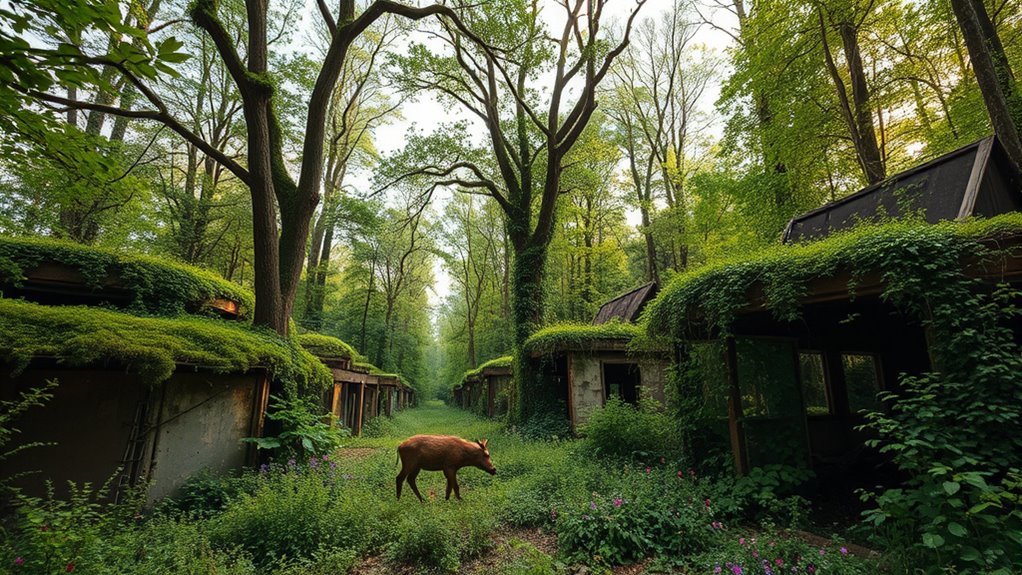
Have you ever wondered what happens to nature when humans leave? The Chernobyl Exclusion Zone offers a surprising answer. After the 1986 nuclear disaster, the area was abandoned, and humans largely retreated, leaving the land to nature’s own devices. Initially, many believed radiation effects would doom local wildlife, but the reality has proven more complex. Instead of decimating animal populations, the zone has become an unintended sanctuary. The absence of human activity has allowed many species to thrive, with some populations increasing markedly. Bears, wolves, boars, and even rare birds now roam freely across the once-contested landscape.
However, the presence of radiation effects remains a concern. While some animals show signs of genetic mutations or health issues, many have adapted surprisingly well. Studies reveal that radiation levels vary in different parts of the zone, and animals tend to avoid the most contaminated areas, seeking refuge in safer zones. This natural adaptation demonstrates resilience, but it also highlights the importance of understanding radiation effects on wildlife. Scientists continue to monitor these effects, seeking insights into how radiation influences genetics and health over generations. The distinct habitats within the zone influence how species distribute and adapt to their environment, shaping the ongoing ecological dynamics.
Radiation impacts wildlife, but many animals adapt and avoid the most contaminated areas, demonstrating resilience and natural adaptation.
Conservation efforts in Chernobyl are unique because they are largely driven by natural processes rather than active human intervention. Some organizations focus on protecting the flora and fauna that have recolonized the area, aiming to understand how species adapt to radioactive environments. Others work to restore habitats that have been affected by the disaster, such as reforestation projects and the cleanup of contaminated water sources. These efforts are critical because they help maintain the delicate balance between the natural resurgence of wildlife and the ongoing presence of radiation.
Despite the dangers, the zone has become a symbol of nature’s resilience. It challenges the assumption that radiation effects are always catastrophic and shows that ecosystems can adapt under extreme conditions. The absence of humans has created a kind of accidental wildlife refuge, where animals flourish without the disturbances of urbanization, hunting, or agriculture. Conservation efforts continue to support this delicate recovery, emphasizing that even in places scarred by nuclear disaster, life finds a way to endure and adapt.
In the end, the Chernobyl Exclusion Zone is a tribute to nature’s resilience and the complex interplay of radiation effects. It’s a reminder that while human actions can cause devastation, they can also create opportunities for renewal and discovery. As scientists study this unique environment, we gain valuable insights into how ecosystems respond to extreme challenges and what it takes to preserve biodiversity in the face of adversity.
Top picks for "chernobyl exclusion zone"
As an affiliate, we earn on qualifying purchases.
Frequently Asked Questions
Are There Any Endangered Species Living in Chernobyl?
Yes, some endangered species live in Chernobyl. You might see animals like European bikas, which are threatened, thriving there. Radioactive mutations haven’t stopped their survival, and you may observe animal migration patterns adapting to the zone. This environment offers a unique refuge, where wildlife persists despite the radiation, showcasing nature’s resilience. Your presence in this zone reveals how endangered species can find unexpected sanctuary amidst radioactive history.
How Do Animals Adapt to Radiation Exposure?
Ever wondered how animals survive in radioactive zones? They adapt through wildlife resilience, developing genetic mutations that help them cope with radiation exposure. Some species exhibit radioactive adaptation, becoming more resistant over generations. This resilience showcases nature’s incredible ability to adjust, even in harsh environments. So, it’s no surprise that many animals thrive in Chernobyl, proving that life finds a way despite ongoing radiation challenges.
Can Tourists Encounter Radioactive Hotspots Within the Zone?
Yes, you can encounter radioactive hotspots within the zone, but radiation safety is a top priority. Tourists follow strict visitor guidelines to minimize exposure, such as sticking to designated paths and avoiding contaminated areas. Guides monitor radiation levels constantly, ensuring your safety. While some hotspots exist, responsible tourism practices help you experience the site safely. Always listen to your guides and adhere to all safety instructions for a secure visit.
What Is the Impact of Human Visitors on Wildlife?
Think of the zone as a quiet pond where your presence causes ripples. Human disturbance from visitors can disrupt wildlife, making animals retreat or alter their behaviors. However, your responsible visits can support habitat restoration efforts, helping ecosystems recover and thrive. By minimizing impact, you allow nature to flourish undisturbed, turning the zone into a sanctuary where wildlife can flourish, despite the past shadows of human activity.
Are There Ongoing Conservation Efforts in the Exclusion Zone?
You’ll find ongoing conservation efforts in the Chernobyl Exclusion Zone, focusing on habitat recovery and understanding radiation effects on wildlife. Researchers monitor animal populations, study radiation’s impact, and implement measures to protect the ecosystem. These efforts help assess how radiation influences habitat recovery and support the zone’s role as a refuge for various species. Your interest drives awareness of how nature adapts and heals despite lingering radiation effects.
Conclusion
As you walk through the Chernobyl Exclusion Zone, you realize it’s become a silent symphony of nature reclaiming its home. The land, once scarred by human hands, now teems with life, like a phoenix rising from the ashes. It’s a monument to nature’s resilience, reminding you that even in the darkest shadows, hope can bloom. This zone, a surprising sanctuary, shows that sometimes, the wildest stories are written where humans have stepped back.
Baby shower & registry season Picks
baby registry must-haves
As an affiliate, we earn on qualifying purchases.