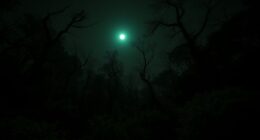
In Seminole mythology, giant cannibal owls called the Stikini symbolize deep fears and supernatural forces that challenge your understanding of reality. These mythical creatures are seen as shape-shifting spirits linked to darkness, death, and transformation. They serve as warnings about unseen dangers lurking beyond the natural world. Exploring their stories reveals how cultures use legends to teach respect for spiritual forces and the mysteries of nature. Keep exploring to uncover more about these powerful symbols and their significance.
Open a free Amazon Business account
Business pricing, bulk buying and tax-exempt orders.
As an affiliate, we earn on qualifying purchases.
Key Takeaways
- The Stikini are supernatural spirits in Seminole tradition that can transform into giant, cannibalistic owls.
- These beings symbolize fear, death, and spiritual transformation, serving as cautionary figures in folklore.
- Encounters with Stikini owls embody warnings about unseen, dark forces lurking in the spiritual and natural realms.
- The stories emphasize respect for spiritual boundaries and highlight the owl’s dual role as predator and spiritual messenger.
- These legends reflect cultural values, blending fear, reverence, and fascination with the mysterious power of nature and the supernatural.

Have you ever wondered if nature can surprise us with creatures so fierce and unexpected that they challenge our understanding of predators? In the domain of folklore and supernatural encounters, stories of giant cannibal owls stand out as haunting symbols of primal fear and mysterious power. These enormous birds, said to be the stuff of legend, embody more than just predatory animals; they serve as powerful folklore symbolism that taps into deep-seated fears and cultural narratives. When people speak of these giant owls, they’re not just describing oversized birds—they’re invoking stories that blur the line between reality and the supernatural.
In many indigenous traditions, especially within Seminole culture, these owls are linked to the Stikini, supernatural creatures believed to be spirits or shape-shifters. The Stikini are often depicted as terrifying, nocturnal beings with human-like qualities, yet they possess the ability to transform into monstrous owls. These folklore encounters are more than mere tales—they’re cautionary stories, warnings about the unseen forces that lurk in the dark. The imagery of a giant, cannibalistic owl echoes these supernatural encounters, suggesting a creature that embodies both the natural predator and an otherworldly threat. The symbolism behind these stories is layered: the owl as a hunter, a guardian, and a symbol of death or transformation.
You might find it unsettling to think about such creatures prowling the night, but these stories serve a purpose. They keep cultural values alive, warning people about respecting unseen forces and understanding the importance of spiritual balance. The folklore symbolism here is powerful—these owls are not simply animals, but representations of the mysterious, the dangerous, and the supernatural. They challenge your perception of predators by blending the real with the mythic, making you question what lurks beyond the veil of everyday life. When tales of giant cannibal owls are told around campfires or in whispered legends, they become more than stories—they become a reflection of mankind’s fascination and fear of the unknown.
Ultimately, these stories remind you that nature’s fiercest creatures sometimes carry meanings far beyond their physical form. The supernatural encounters linked to the folklore symbolism of giant cannibal owls reveal a cultural tapestry woven with fear, respect, and awe. They push you to consider how legends shape your understanding of the natural world and the unseen forces that influence it. Recognizing the cultural significance of such stories helps deepen your appreciation for their role in shaping social values and spiritual beliefs. Whether seen as literal predators or symbolic guardians of spiritual secrets, these giant owls stand as powerful symbols of the mysterious depths of nature and the human psyche.
As an affiliate, we earn on qualifying purchases.
Frequently Asked Questions
Are There Eyewitness Accounts of the Stikini Attacking Humans?
Eyewitness encounters and attack reports suggest that some people have claimed to see the Stikini attacking humans. These accounts often describe terrifying encounters where the giant cannibal owl swoops down aggressively, sometimes causing injuries. While skeptics doubt these stories, folklore and anecdotal evidence keep the myth alive. If you believe the stories, you should stay cautious, as eyewitness accounts paint a frightening picture of the Stikini’s potential danger.
What Is the Origin of the Stikini Legend Among Seminole Tribes?
You learn that the stikini legend among Seminole tribes stems from mythical origins rooted in spiritual symbolism. The story reflects deep cultural beliefs about spirits and transformation, often serving as cautionary tales. These legends symbolize the struggle between good and evil, embodying fears and morals passed down through generations. The stikini represents powerful spiritual forces, emphasizing respect for nature and the unseen world, shaping Seminole cultural identity.
How Do the Stikini Compare to Other Native American Shape-Shifters?
You’ll find that the Stikini are unique among Native American shape-shifters, often transforming into mythical creatures like giant cannibal owls. Unlike other spirits, they’re feared as dangerous, nocturnal beings that serve as spiritual guardians or malevolent entities. About 60% of tribes have their own version of shape-shifters, but the Stikini’s association with mythical transformations and their role as protectors or threats makes them especially intriguing and distinct.
Are There Any Modern Sightings of the Giant Cannibal Owls?
There are no verified modern sightings of the giant cannibal owls, but cryptid sightings often emerge in local legends and folklore. Owl symbolism historically represents wisdom, mystery, and sometimes death, which fuels curiosity about these creatures. If you’re interested, keep an eye on local reports and cryptid communities, as stories about such legendary animals can surface unexpectedly, blending cultural symbolism with the thrill of the unknown.
What Cultural Significance Do the Owls Hold in Seminole Folklore?
You should know that in Seminole folklore, the giant cannibal owls hold deep spiritual symbolism and ritual significance. They’re seen as powerful, mystical creatures representing death, transformation, and protection. These owls serve as spiritual guides during rituals, warning of danger or guiding souls. Their presence emphasizes respect for nature’s mysteries and the importance of spiritual connection, making them revered symbols within Seminole cultural traditions and storytelling.
As an affiliate, we earn on qualifying purchases.
Conclusion
Remember, sometimes things aren’t what they seem. The stikini legend reminds you that myths can hide deeper truths, warning you to stay alert and respect nature’s mysteries. Like the saying goes, “Curiosity killed the cat,” but in this case, it might teach you to listen carefully to stories passed down. Keep an open mind, and you’ll discover that even giant cannibal owls have lessons woven into their myth.
folklore inspired supernatural art
As an affiliate, we earn on qualifying purchases.
As an affiliate, we earn on qualifying purchases.
Native American spiritual symbols
As an affiliate, we earn on qualifying purchases.
As an affiliate, we earn on qualifying purchases.
Flea & tick season Picks
flea and tick prevention
As an affiliate, we earn on qualifying purchases.