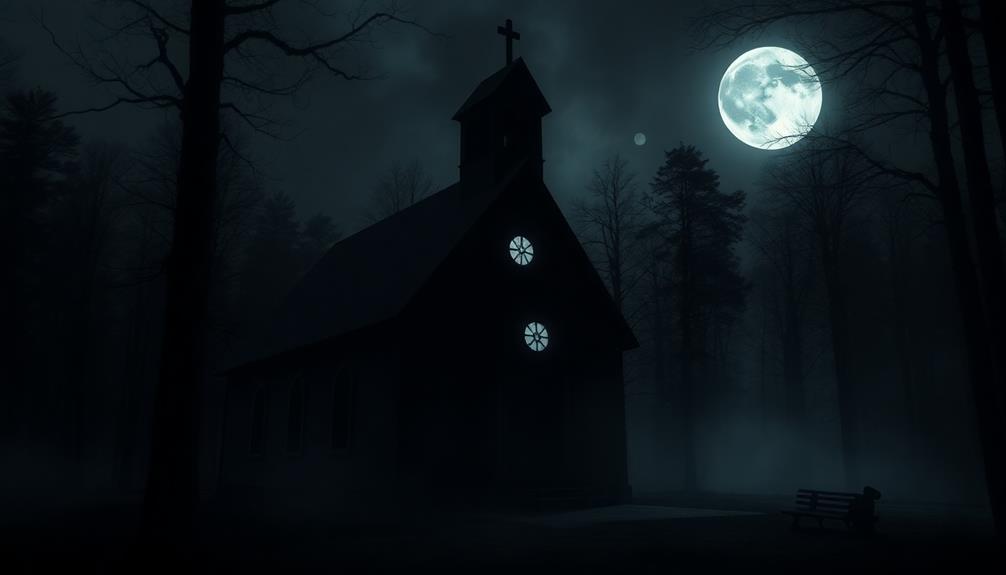

The legend of Tannhäuser and the Venusberg explores your inner struggle between desire and spiritual salvation, rooted in medieval stories and myth rooted in cultural symbolism. You see Venus as a symbol of temptation, representing earthly pleasures that challenge moral purity. Artists and writers have depicted this conflict through striking visuals and powerful stories, emphasizing universal themes of weakness and redemption. If you continue exploring, you’ll uncover how this timeless myth continues to resonate across art, music, and literature.
Key Takeaways
- The legend blends medieval stories involving Venus as a symbol of temptation and human weakness.
- The Venusberg is a mythical under-mountain domain representing earthly pleasures and sensuality.
- Richard Wagner’s opera “Tannhäuser” explores the hero’s struggle between desire, guilt, and spiritual redemption.
- Artistic depictions often contrast Venus’ beauty with Tannhäuser’s penitence, symbolizing moral conflict.
- The myth reflects universal themes of temptation, regret, and the quest for moral and spiritual salvation.

The legend of Tannhäuser and the Venusberg explores an enthralling tale of desire, redemption, and the conflict between earthly pleasures and spiritual salvation. At its core, this story draws from mythical origins that blend folklore, medieval legend, and poetic imagination. The mythical origins of the tale often trace back to Germanic and medieval stories that depict a knight or troubadour tempted by the allure of the goddess Venus, symbolizing carnal desire and temptation. These origins have been preserved and transformed over centuries, inspiring countless retellings that emphasize the struggle between indulgence and spiritual purity. As a result, the story resonates across cultures, reflecting universal themes of human weakness and the pursuit of redemption.
Throughout history, artists and writers have sought to interpret the legend through various artistic interpretations. In visual arts, painters like Lucas Cranach the Elder and Gustave Moreau created vivid depictions of Tannhäuser’s encounters with Venus, emphasizing the sensual and otherworldly aspects of the Venusberg, a mythical domain beneath the mountains where the goddess resides. These interpretations often highlight the contrast between the enchanting beauty of Venus and the somber, penitential atmosphere of Tannhäuser’s quest for forgiveness. Such artworks serve as visual allegories of temptation and moral conflict, capturing the allure of the Venusberg while also portraying the hero’s internal struggle. The influence of visual symbolism in these artworks enhances the audience’s understanding of the complex emotions involved.
In literature and opera, the legend has been transformed into powerful narratives that explore themes of desire, guilt, and salvation. Richard Wagner’s famous opera “Tannhäuser” is a prime example, dramatizing the hero’s journey from indulgence in the Venusberg to seeking redemption through love and spiritual awakening. Wagner’s interpretation elevates the myth, emphasizing the emotional and philosophical dimensions of the story. Other writers have adapted the legend into poetry, novels, and plays, each adding layers of complexity to the mythical origins, often reflecting the societal values and spiritual beliefs of their time.
As you explore the legend, you’ll notice how the myth’s origins inform these artistic interpretations, shaping the ways in which different eras and cultures understood the tension between worldly pleasures and spiritual salvation. Whether through visual art, music, or literature, the story continues to fascinate because it taps into fundamental human experiences—desires that tempt, regrets that haunt, and the hope for redemption that motivates personal transformation. The myth’s enduring power lies in its ability to speak to universal truths about human nature and the eternal struggle to find balance between the material and the spiritual.
Frequently Asked Questions
What Inspired the Creation of the Tannhäuser Legend?
You’re inspired by medieval romances and mythological symbolism that explore themes of love, temptation, and redemption. The legend reflects societal struggles with moral choices and spiritual pursuits, blending mythic elements with human emotion. As you explore into the story, you see how it captures the tension between earthly pleasures and spiritual ideals, drawing from cultural narratives that question faith, desire, and salvation, making it a compelling reflection of medieval storytelling traditions.
How Did the Legend Influence Later German Folklore?
You learn that the legend shaped later German folklore by fueling medieval romance stories and folk ballads, proving that “what’s learned is never lost.” This tale’s themes of temptation and redemption echoed through generations, inspiring countless stories, poems, and operas. It reinforced cultural ideas about morality, love, and spiritual struggle, becoming a foundational myth that continues to influence German cultural identity and storytelling traditions today.
Are There Real Historical Figures Behind Tannhäuser?
You should know that there are no confirmed historical figures behind Tannhäuser. The legend’s historical origins are unclear, but it’s believed to be based on mythic inspiration rather than real people. The story likely evolved from older folk tales and oral traditions, blending fantasy and moral lessons. So, while Tannhäuser might seem like a real person, he’s primarily a mythical character created to explore themes of temptation and redemption.
What Are the Symbolic Meanings of the Venusberg?
You might see the Venusberg as a symbol of temptation and desire, representing the alluring pull of mythical symbolism. For example, a person struggling with temptation could view it as a psychological interpretation of inner conflict. It embodies the seductive side of human nature, challenging you to confront your passions. This place reflects the tension between spiritual aspirations and earthly pleasures, urging self-awareness and moral choices.
How Has the Legend Been Adapted in Modern Media?
You see the legend adapted in modern media through stories that emphasize Venus imagery and explore themes of temptation and redemption. Modern retellings, like films, novels, and operas, often highlight the seductive allure of the Venusberg, while reinterpreting Tannhäuser’s struggle with desire. These adaptations use contemporary symbolism to connect with audiences, emphasizing moral dilemmas, inner conflict, and the enduring power of love and temptation in new, compelling ways.
Conclusion
As you reflect on Tannhäuser’s story, it’s fascinating that over 60% of Europeans are familiar with this legend, showing its lasting impact. You see, whether you view him as a symbol of temptation or redemption, his journey reminds you that inner struggles often define your path. So, next time you hear of Venusberg’s allure, remember how myths like Tannhäuser’s continue to shape your understanding of desire and morality.