
Archaeology shows that myths about giants, elves, and other supernatural beings often stem from ancient artifacts and settlement patterns. Large stones, unusual tools, and religious figurines inspired stories about mighty or divine entities. Settlement sites near water or mountains also sparked legends of guardians or spirits. Over generations, these tangible clues transformed into folklore that explains natural mysteries and cultural values. Keep exploring to discover how real discoveries shaped these fascinating stories.
Key Takeaways
- Archaeological finds like large stone tools and bones often inspire legends of giants or mythic beings.
- Structures such as megaliths and unique artifacts can lead to stories about supernatural entities or spirits.
- Settlement locations near water or mountains influence folklore about guardian spirits or divine protectors.
- Ritual objects and figurines suggest spiritual beliefs that evolve into stories about elves or divine beings.
- Physical evidence of ancient life helps connect folklore to real historical events and cultural memories.
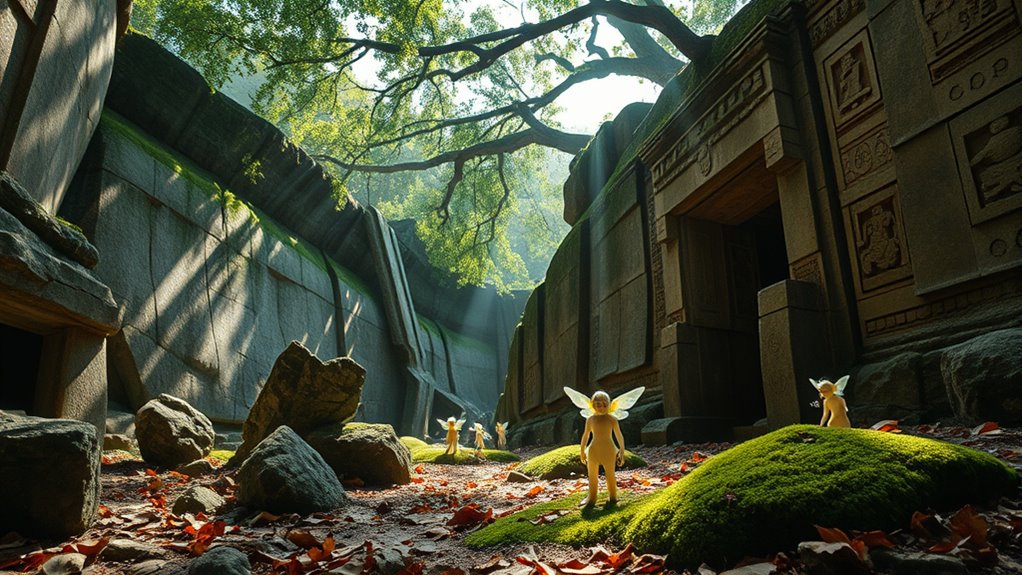
Many folklore stories have roots that can be traced back to ancient archaeological discoveries, offering explanations for myths and legends that have been passed down through generations. When you explore these tales, you often find that they reflect real historical events or cultural memories encoded in stories. Archaeologists have uncovered prehistoric artifacts that provide essential clues about early human life, revealing how ancient communities settled and interacted with their environment. These artifacts include tools, pottery, and remnants of dwellings that help piece together settlement patterns, giving insight into how people organized their societies. By examining these patterns, you can see how early humans chose specific locations for their homes—near water sources, fertile lands, or strategic vantage points—which often became the basis for local legends. settlement patterns influence how stories developed around specific sites, embedding cultural significance into the landscape.
Archaeological discoveries reveal how ancient settlement patterns inspired local legends and myths.
For example, the discovery of ancient stone tools and bones at archaeological sites may be linked to stories of giants or mighty beings. In some cases, large stone structures or unusually shaped artifacts could have inspired myths about giants or supernatural creatures. These stories might have been passed down as cautionary tales or explanations for mysterious formations or artifacts that early people encountered. Over time, these legends grew into elaborate folklore, but their origins are rooted in tangible archaeological finds. The settlement patterns of ancient peoples also influence folklore; the way communities clustered around certain areas, like river crossings or mountain passes, could have led to stories about guardians or spirits protecting those sites. These tales helped reinforce social cohesion and conveyed cultural values. Additionally, ritual objects, amulets, or carved figurines found at archaeological sites often serve as evidence of spiritual or religious beliefs. These items might have inspired stories of elves, spirits, or divine beings that watched over communities or granted wishes. The physical remnants of ancient life act as a bridge connecting modern folklore to the tangible past. They reveal how early humans interpreted their environment and their encounters with the unknown, shaping stories that explain natural phenomena or moral lessons.
In short, many folklore stories have roots in archaeological discoveries. Prehistoric artifacts and settlement patterns not only tell us about how ancient people lived but also influence the stories we tell today. These legends often echo the physical evidence of the past, transforming archaeological findings into enthralling narratives about giants, elves, and other mythical beings. By understanding the archaeological context behind these stories, you gain a richer appreciation of how history and myth intertwine, shaping cultural identities across generations.
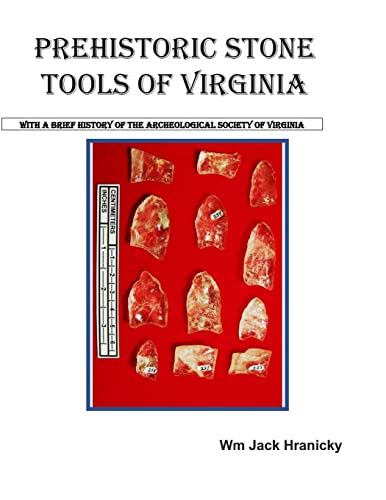
Prehistoric Stone Tools of Virginia
As an affiliate, we earn on qualifying purchases.
As an affiliate, we earn on qualifying purchases.
Frequently Asked Questions
How Do Folklore Stories Influence Modern Cultural Practices?
Folklore stories influence your modern cultural practices by embedding mythical symbolism that shapes traditions and community identity. You preserve these stories through festivals, art, and storytelling, keeping cultural heritage alive. Mythical symbols from folklore foster a sense of belonging and continuity, guiding moral values and customs. By embracing these narratives, you actively participate in cultural preservation, ensuring that ancient myths remain relevant and meaningful in today’s society.
Are There Any Consistent Archaeological Findings Supporting Legendary Creature Stories?
Have you ever wondered if mythical creatures truly left footprints in history? Archaeological evidence for legendary creature stories is limited but intriguing. Some findings, like giant bones or unusual artifacts, suggest early humans might have interpreted fossils or natural formations as mythical creatures. While these discoveries don’t confirm legends outright, they hint that ancient peoples could have based folklore on real, mysterious phenomena. Could these clues be the remnants of forgotten encounters?
What Role Do Ancient Myths Play in Contemporary Art and Literature?
Ancient myths profoundly influence contemporary art and literature by providing rich mythical symbolism that authors and artists draw upon. You’ll notice these stories shape narratives, giving depth and universal themes like heroism, morality, or chaos. Mythical symbolism offers cultural resonance, inspiring modern creators to embed timeless motifs into their work, ensuring that the narrative influence of ancient myths continues to connect with audiences and evoke shared human experiences today.
How Do Archaeological Sites Correlate With Folklore Narratives?
Think of archaeological sites as the heartbeat behind legendary site correlations, where ancient artifacts serve as storytellers. You’ll find artifact folklore connections revealing how real objects inspired myths, giving life to tales of giants or elves. These sites act as time capsules, bridging history and legend. By studying them, you uncover the symbolism that links the physical world with the stories you hear, making folklore a tangible part of our ancient heritage.
Can Folklore Be Used to Predict Future Archaeological Discoveries?
Folklore can sometimes guide archaeological predictions through mythical predictions, but its accuracy varies. You might find clues in legends that point to hidden sites or artifacts, yet not all stories are reliable indicators. Rely on folklore as a supplementary tool rather than a definitive source. To improve your chances, combine myth-based insights with scientific methods, understanding that folklore accuracy isn’t guaranteed but can inspire promising discoveries.

Pacific Giftware Ancient Egyptian God Ra Figurine, Multicolor
Dive into the captivating world of ancient Egypt with our meticulously crafted Ra figurine, representing the powerful sun…
As an affiliate, we earn on qualifying purchases.
As an affiliate, we earn on qualifying purchases.
Conclusion
As you explore deeper into these archaeological clues, you realize the story isn’t as simple as giants or elves. Hidden beneath ancient ruins and artifacts, there’s a mystery that challenges what you thought you knew. Could these remnants reveal a forgotten truth, or are they just echoes of imagination? The more you uncover, the more you wonder—what secrets still lie buried, waiting to reshape your understanding of folklore’s true origins?

Megalithic Temples: Stonehenge, Gobekli Tepe, Ggantija Temples & Baalbek
As an affiliate, we earn on qualifying purchases.
As an affiliate, we earn on qualifying purchases.
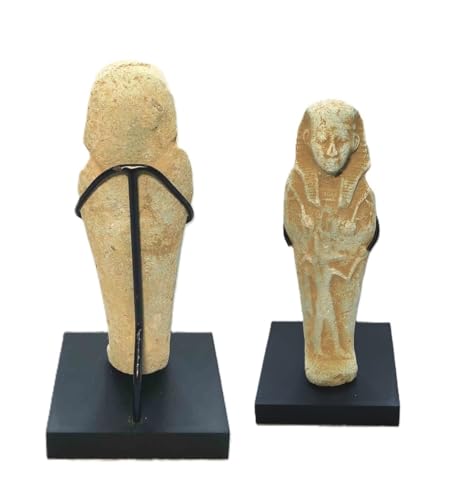
Clearco Artifact Display Stand, for Ushabtis, Figurines, Pre Columbian, Egyptian, Roman, Greek statues or figures, Megalodon shark tooth, Dolls, Arrowheads and other artifacts. 5" HIGH
Clean look for a museum quality display, for shows, exhibits, galleries, museums, office and home.
As an affiliate, we earn on qualifying purchases.
As an affiliate, we earn on qualifying purchases.