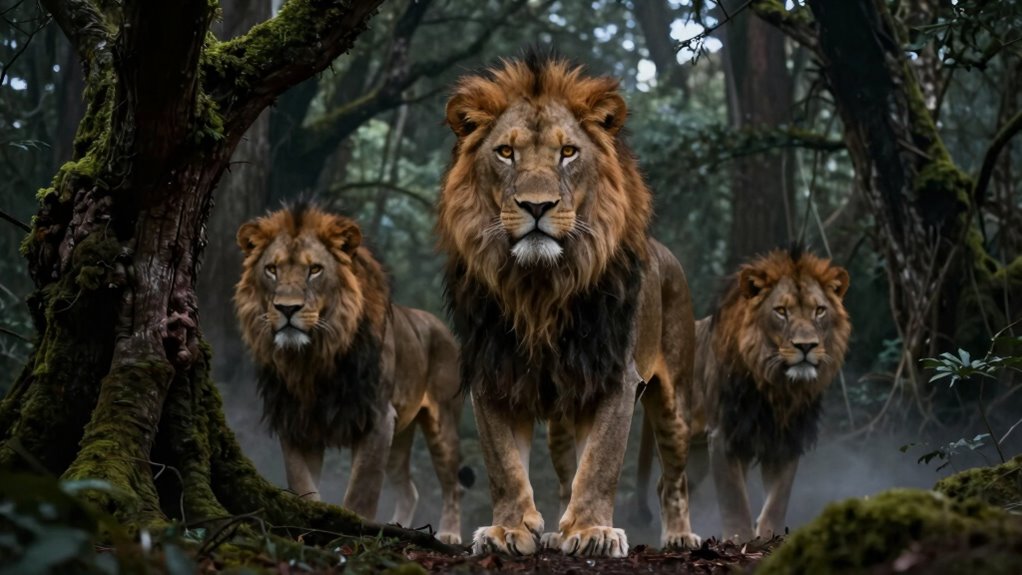

Large carnivores form the foundation of monster lore because their raw power, primal instincts, and fierce presence tap into your deep fears of chaos and the unknown. They symbolize uncontrollable forces of nature, blending danger and awe. Their mythic symbolism makes them ideal symbols of primal fears that resonate across cultures. If you keep exploring, you’ll discover how these creatures reflect humanity’s struggle with nature’s wild side and the importance of respecting their role in ecosystems.

Prime made for students and young adults
- Fast, free delivery for dorm and study essentials
- Prime Video and Amazon Music included
- Member-only deals
Key Takeaways
- Large carnivores symbolize primal fear and uncontrollable forces, making them natural foundations for monster myths.
- Their status as apex predators and symbols of dominance heighten their mythic and terrifying appeal.
- Their ecological significance and ferocity amplify their representation as chaotic, dangerous entities in folklore.
- Mythologizing their power emphasizes humanity’s respect and fear for wild, unpredictable nature.
- Cultural stories portray them as embodiment of survival, chaos, and primal instincts, reinforcing their role in monster lore.
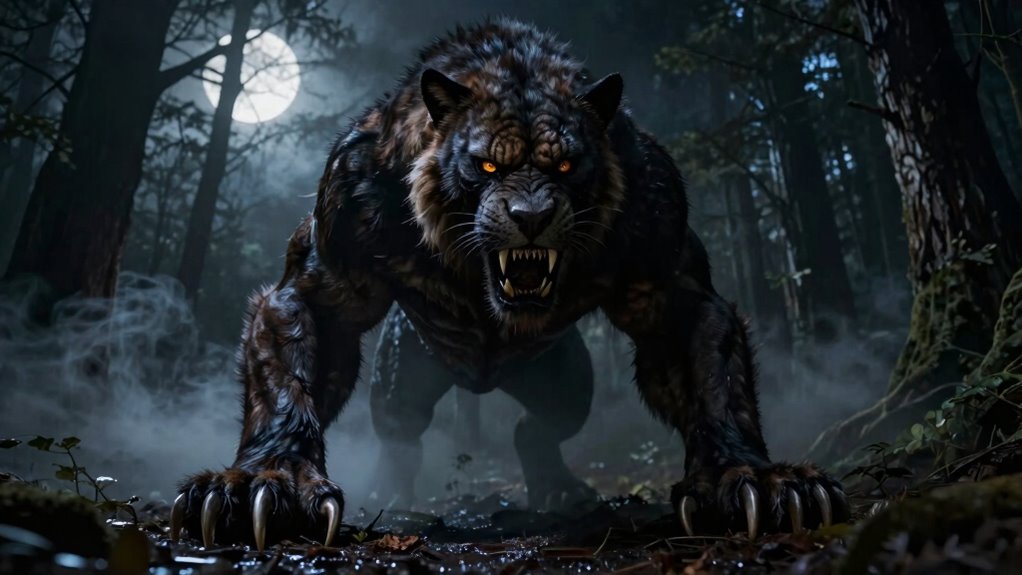
Throughout monster lore, large carnivores often symbolize primal fear and unstoppable power, shaping stories across cultures and generations. Their fierce presence captures human imagination because they embody raw strength and the wild, untamed aspects of nature. When you think about mythical symbolism, these creatures become more than just animals—they transform into representations of chaos, danger, and the unknown. Their size and hunting prowess make them perfect allegories for forces beyond human control, often standing as metaphors for fears that lurk beneath the surface of civilization.
Large carnivores symbolize primal fears and unstoppable power, embodying chaos, danger, and forces beyond human control.
In many legends, large carnivores are depicted as apex predators, which feeds into their role as symbols of dominance and survival. This positioning in the food chain amplifies their mythic allure, making them natural candidates for monster lore. They’re often portrayed as both destructive and revered, embodying the delicate balance of ecosystems. Their ecological impact is profound, as they regulate prey populations and maintain a healthy environment. When these animals are exaggerated or mythologized, their ecological significance gets amplified, turning them into larger-than-life entities that threaten or protect the world around them.
You might notice that stories featuring these beasts often emphasize their unpredictability and ferocity, reinforcing their place at the core of primal fears. Their mythical symbolism extends beyond mere physical attributes; they represent the chaos that exists beyond human control. In many cultures, encounters with such creatures symbolize a confrontation with the unknown or the subconscious. These monsters serve as powerful symbols of the wild, uncontrollable forces that threaten stability but also drive evolution and change. Additionally, their ecological significance underscores the importance of preserving natural predators to maintain biodiversity and ecological health.
Furthermore, their role in folklore often reflects real ecological impacts—such as the importance of predators in maintaining biodiversity. When these large carnivores are woven into stories, their ecological influence is amplified, emphasizing the importance of their protection and the dangers of their extinction. Recognizing their ecological role helps us understand the delicate balance necessary for a thriving ecosystem, which many stories dramatize through mythic narratives. This mythologizing can serve as a reminder of humanity’s reliance on nature’s balance and the consequences of disrupting it. As monsters, they become enduring symbols of survival, chaos, and the fragile harmony between humans and the natural world.
In essence, large carnivores are the foundation of many monster stories because they encapsulate our deepest fears, our respect for nature’s power, and the importance of ecological balance—woven into mythic symbolism that continues to resonate across generations.
large carnivore wildlife documentary books
As an affiliate, we earn on qualifying purchases.
As an affiliate, we earn on qualifying purchases.
Frequently Asked Questions
How Do Cultural Differences Influence the Portrayal of Large Carnivores in Monster Stories?
You see, cultural differences shape how large carnivores are portrayed in monster stories through their cultural symbolism and mythological symbolism. In some cultures, these creatures symbolize fear, power, or chaos, leading to fierce, intimidating monsters. In others, they might represent protection or spiritual guides. These cultural nuances influence storytelling, making each monster story unique and reflective of the values, fears, and beliefs of the society creating it.
Are There Real Historical Events That Inspired Monster Legends Featuring Large Predators?
Yes, real historical events inspired monster legends featuring large predators. You can see this in prehistoric encounters, where ancient humans faced formidable animals like mammoths or saber-toothed cats, fueling mythical symbolism of dangerous, mighty beasts. These encounters likely shaped stories passed down through generations, transforming real threats into legends of monsters. Such stories reflect humanity’s awe and fear of large carnivores, embedding these creatures deeply into cultural myths.
What Biological Traits Make Large Carnivores Suitable as Monster Archetypes?
Your fascination with large carnivores stems from their predator symbolism and evolutionary dominance. These traits make them perfect monster archetypes because their sharp claws, powerful jaws, and stealth evoke fear and awe. Their role as apex predators highlights their dominance in nature, reinforcing their mythic status. As a result, they symbolize primal power and danger, making them ideal figures for stories that tap into deep-seated fears and respect for nature’s fiercest creatures.
How Do the Habitats of Real Large Predators Shape Their Mythological Representations?
You see, the habitats of real large predators influence their mythological portrayals through habitat symbolism and ecological significance. Forests, mountains, or caves become mysterious domains, embodying danger and power. These environments evoke respect and fear, shaping monsters as guardians or predators. Their habitat’s ecological importance highlights their dominance, reinforcing their mythic status. This connection solidifies their role as archetypal monsters rooted in the natural world’s awe-inspiring and formidable aspects.
Why Are Large Carnivores More Likely to Be Depicted as Malevolent Entities?
You see, large carnivores are often depicted as malevolent because their mythical symbolism taps into primal fears. Their hunting instincts, which make them efficient predators, evoke danger and unpredictability, fueling stories of monsters and evil spirits. These creatures embody chaos and threat, making them ideal symbols of malevolence in myth. Their fierce nature and dominance in the animal kingdom naturally translate into terrifying, sinister representations in folklore.
big predator figurines or statues
As an affiliate, we earn on qualifying purchases.
As an affiliate, we earn on qualifying purchases.
Conclusion
You see, large carnivores are like the shadowy giants lurking in the stories we tell, their fierce presence casting a long darkness over monster lore. They embody primal fear and awe, acting as the backbone of terrifying tales that stretch across cultures. Their raw power and mystery make them the perfect foundation for monsters — nature’s own nightmares. In the end, these predators are the dark strokes that paint our most unforgettable legends.
wildlife conservation educational kits
As an affiliate, we earn on qualifying purchases.
As an affiliate, we earn on qualifying purchases.
As an affiliate, we earn on qualifying purchases.
Halloween Picks
halloween
As an affiliate, we earn on qualifying purchases.