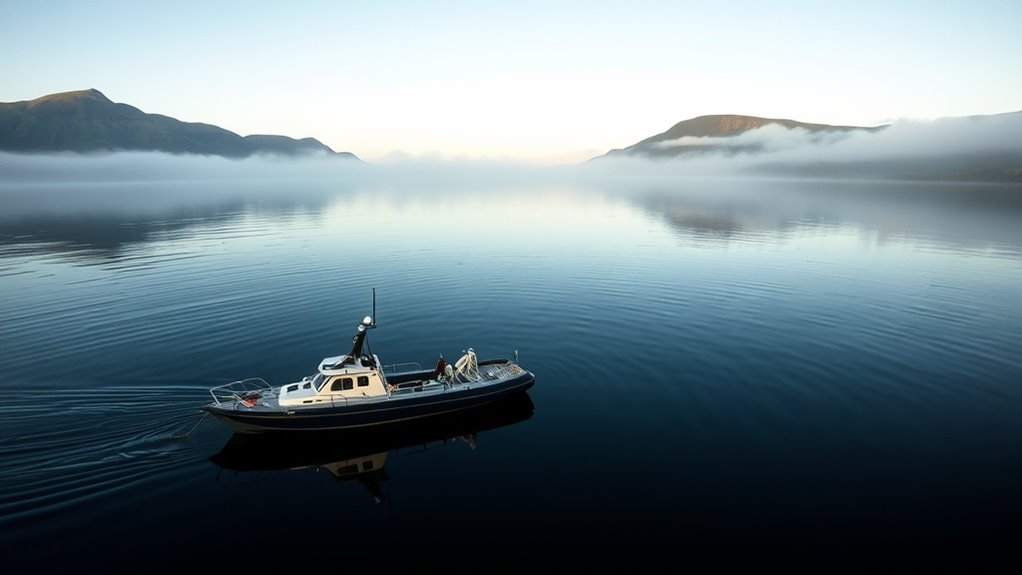

The Loch Ness DNA study found no genetic evidence of a large, unknown creature in the waters. Scientists collected water samples from various locations and depths, analyzing traces of DNA from different species. The results showed only typical freshwater animals like fish and amphibians, with no signs of a cryptid. While this suggests Nessie likely isn’t real, there’s more to explore about what these findings mean and the methods used. Continue for further details.

Get school and study supplies delivered free — and shop member deals
- Fast, free delivery on millions of items
- Access to Prime Big Deal Days deals on October 6–7
- Prime Video, Amazon Music and more included
Key Takeaways
- The study collected water samples from Loch Ness to analyze environmental DNA (eDNA) using advanced sequencing techniques.
- Researchers identified abundant DNA from common freshwater species, confirming the loch’s healthy ecosystem.
- No genetic evidence of a large, unknown creature or cryptid was detected in the samples.
- Findings suggest that if such a creature exists, it is extremely rare or undetectable during the study period.
- The research demonstrates the effectiveness of DNA analysis in investigating cryptids and ecological questions.

Recent efforts to uncover the truth behind the legendary Loch Ness Monster have led scientists to conduct an extensive DNA study of the loch’s waters. This groundbreaking investigation aimed to identify any biological evidence of a large, unknown creature lurking beneath the surface. Over the years, numerous cryptid sightings have fueled public fascination and speculation about what might be living in the depths. But now, with advanced DNA analysis techniques, researchers sought to move beyond eyewitness accounts and blurry photos to find concrete evidence.
You might imagine that collecting water samples from Loch Ness was a straightforward process, but it involved meticulous planning. Researchers took hundreds of samples from various depths and locations around the loch, ensuring they captured a thorough picture of its aquatic life. Using specialized filtration systems, they extracted environmental DNA (eDNA) from the water. This DNA comes from skin cells, scales, and other biological material shed by organisms in the loch, providing a panoramic view of its entire ecosystem. The key was to analyze this genetic material with high precision, using next-generation sequencing methods, which allow scientists to identify even trace amounts of DNA from rare or elusive species.
As the DNA analysis progressed, you might wonder whether it would reveal any signs of a mysterious creature, perhaps akin to the legendary Nessie. The results, however, told a different story. The scientists found abundant DNA from common freshwater species—fish, amphibians, and invertebrates—matching what you’d expect in a healthy loch. Surprisingly, they did not detect any DNA evidence of a large, unknown animal. This absence of cryptid sightings in the genetic data suggests that if such a creature exists, it might be very rare or simply not present in the water at detectable levels during the sampling period. Additionally, the study highlighted the importance of understanding the contrast ratio in visualizing aquatic environments, which can influence the detection of subtle biological signals in water samples.
The study also demonstrated how powerful DNA analysis techniques are for ecological research, especially in investigating cryptids. Instead of relying solely on eyewitness reports or ambiguous sightings, scientists can now use genetic data to confirm or rule out the presence of species. In Loch Ness, this approach has provided a clear picture: the ecosystem is consistent with known aquatic life, and there’s no genetic evidence supporting the existence of a massive, undiscovered creature. While some enthusiasts may still hold onto their sightings, the scientific results lean toward the conclusion that Nessie remains a myth, at least based on current DNA evidence. Nonetheless, this study marks a significant step forward in how we explore and understand mysterious creatures in our lakes and rivers.
Frequently Asked Questions
Could Genetic Data Conclusively Prove the Existence of Nessie?
Genetic evidence alone can’t conclusively prove Nessie exists, because it’s hard to rule out contamination or misidentification. While DNA samples might hint at unknown creatures, they don’t provide definitive proof of a specific species like Nessie. Scientific conclusiveness requires consistent, verifiable data, and currently, genetic data isn’t enough to confirm or deny Nessie’s existence definitively. Keep an open mind, but don’t rely solely on genetics.
Were Any New Species Discovered During the DNA Analysis?
Like uncovering hidden treasures in a mythic cave, you find that no new species emerged from the DNA analysis. The study mainly confirmed the presence of common creatures, with only a few genetic anomalies hinting at cryptid confirmation. You realize that despite hopes of revealing legendary creatures, the results suggest Nessie remains a compelling legend rather than a confirmed species. The search continues, fueled by curiosity and the allure of the unknown.
How Does This Study Compare to Previous Loch Ness Investigations?
This study substantially advances previous investigations by leveraging technological advancements that allow for thorough DNA analysis, unlike traditional historical methods like sonar or eyewitness reports. You can see how modern techniques provide clearer, more reliable evidence about what might live in Loch Ness. It’s a leap forward in understanding, offering more scientific insights than past efforts, and helps you better evaluate claims of mysterious creatures lurking in the depths.
What Challenges Did Scientists Face Collecting DNA Samples?
You face sampling obstacles like difficult access to certain areas of Loch Ness, making it hard to collect exhaustive DNA samples. Contamination concerns also pose a challenge since environmental DNA can easily mix with other sources, potentially skewing results. You need to carefully handle samples to prevent contamination, which requires meticulous techniques and equipment. These obstacles make gathering accurate data more complex, but overcoming them is essential for reliable scientific insights.
Will Future Studies Focus on Different Areas of Loch Ness?
Future studies will likely focus on different areas of Loch Ness to advance cryptid research and environmental monitoring. By exploring new locations, you can gather diverse DNA samples and better understand the loch’s ecosystem. This approach helps identify any signs of cryptids or unique environmental features, making your research more thorough. Expanding your focus ensures you cover all potential habitats and improve the overall scientific understanding of Loch Ness.
Conclusion
So, after all that DNA digging, it turns out Loch Ness is just your average, pond-sized body of water—no prehistoric monsters hiding beneath. Sorry to burst your monster hunt bubble, but science has spoken: no giant creature in sight. Maybe next time, you’ll save your sonar batteries and just enjoy the scenic views. Because, in the end, Nessie’s just a myth, and your imagination is the real monster here. Cheers to believing in what’s actually findable!
Evergreen bestsellers Picks
bestsellers
As an affiliate, we earn on qualifying purchases.