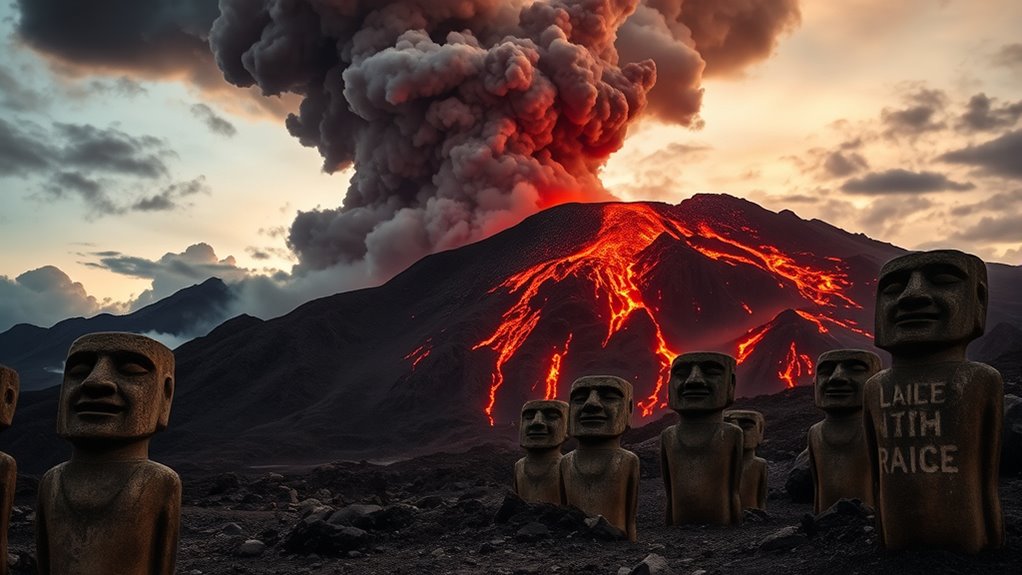

Myths play a key role in helping you understand natural disasters by framing them as divine punishments, cosmic struggles, or signs from higher powers. They provide meaning and context, making chaos feel less random. These stories also reinforce community values, promote moral behavior, and foster resilience. If you’re curious about how these narratives shape perceptions and help cultures cope, you’ll find that exploring further reveals deeper insights into the human connection with nature.

Prime made for students and young adults
- Fast, free delivery for dorm and study essentials
- Prime Video and Amazon Music included
- Member-only deals
Key Takeaways
- Myths historically frame natural disasters as divine punishment or cosmic conflicts, providing cultural explanations.
- They reinforce social values and moral behaviors by linking calamities to moral failings or divine anger.
- Myths depict disasters as part of ongoing cosmic battles between chaos and order, offering a larger meaningful context.
- They serve as mental frameworks that help communities interpret unpredictable natural events and cope with chaos.
- Myths foster resilience and social cohesion by connecting suffering to larger cosmic stories and divine messages.
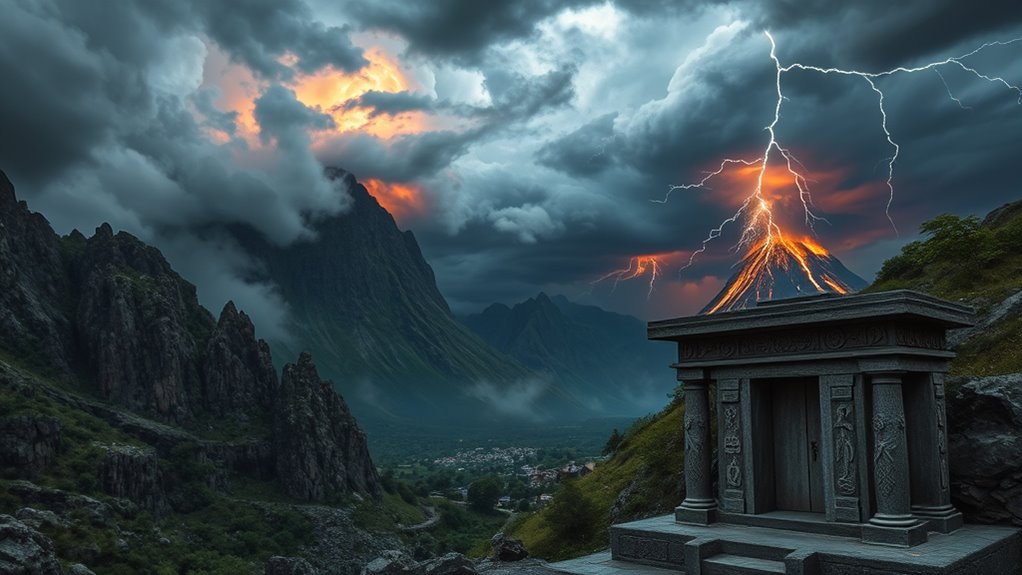
Have you ever wondered if myths influence how people perceive natural disasters? Throughout history, many cultures have turned to mythic stories to explain devastating events like earthquakes, floods, and storms. These stories often frame disasters as acts of divine punishment or as part of a cosmic struggle between good and evil. When a volcano erupts or a tsunami strikes, it’s tempting to see these events not just as natural phenomena but as messages from higher powers or symbols of a larger cosmic conflict. This perspective helps communities make sense of chaos, giving their suffering a purpose or lesson.
Myths shape how cultures interpret natural disasters as divine punishment or cosmic battles.
In many mythic traditions, natural disasters are viewed as consequences of divine anger or retribution. For instance, some cultures believed that gods or spirits punished humans for moral failings or hubris. These stories serve a dual purpose: they explain the disaster and encourage social cohesion by reinforcing shared values. If people believe a flood is a punishment for greed or disrespect toward the gods, they might be motivated to restore harmony through rituals or moral behavior. This divine punishment narrative also provides a sense of control, suggesting that if humans amend their ways, future calamities can be avoided or lessened. It shifts the focus from randomness to moral accountability, making the disaster a lesson rather than just an unpredictable event.
At the same time, many myths depict natural disasters as part of a cosmic struggle—an ongoing battle between opposing forces like chaos and order, darkness and light. These stories portray nature’s upheavals as the result of this larger conflict, often involving gods, spirits, or mythical beings fighting for dominance. When a storm devastates a village, it’s seen as a manifestation of this cosmic struggle, symbolizing the constant tension between destructive and creative forces in the universe. Such myths help people interpret unpredictable natural events as integral parts of a larger, meaningful story—one that’s rooted in the eternal conflict that shapes the cosmos. This perspective can foster resilience, as individuals see disasters not as random acts but as signals of an ongoing cosmic battle that will eventually restore balance.
Ultimately, myth offers a lens through which to understand and cope with natural disasters. Whether portraying them as divine punishment or a cosmic struggle, these stories provide meaning and context. They connect human suffering to larger forces, helping communities find purpose and hope amid chaos. So, when you consider how different cultures interpret natural disasters, remember that myths are more than stories—they’re frameworks that shape perceptions, reinforce social bonds, and help us navigate the unpredictable power of nature.
Mythology books about natural disasters
As an affiliate, we earn on qualifying purchases.
As an affiliate, we earn on qualifying purchases.
Frequently Asked Questions
How Do Myths Influence Modern Disaster Preparedness?
Myths influence modern disaster preparedness by shaping your cultural narratives through mythical symbolism. These stories often embed lessons or warnings that guide your community’s responses to natural threats. By understanding these cultural symbols, you can better appreciate local attitudes towards disasters, fostering resilience. Myths serve as a way for you to connect with ancestral wisdom, helping you prepare more effectively and respect the natural forces that shape your environment.
Are There Specific Cultures With Unique Disaster Myths?
Many cultures have unique disaster myths embedded in their cultural narratives, illustrating how myth variations reflect their environment and history. For example, Japanese myths often depict earthquakes as gods’ anger, while Native American stories attribute floods to divine retribution. You might think myths are outdated, but they shape how communities understand and cope with natural disasters, offering valuable insights into cultural resilience and worldview.
Can Myths Prevent or Worsen Natural Disaster Responses?
Myths can influence disaster responses through superstition effects, sometimes leading to delays or unsafe actions. Myth-based mitigation may provide comfort or cultural cohesion, but it can also worsen situations if it discourages scientifically sound measures. You should recognize these myths‘ roles, understanding that they shape people’s reactions during crises. Addressing superstition effects with cultural sensitivity enables better disaster preparedness and response, balancing traditional beliefs with effective risk mitigation.
What Role Do Myths Play in Community Resilience?
You might find that myths strengthen community resilience by reinforcing cultural identity and fostering social cohesion during crises. When shared stories resonate, they create a sense of unity, helping people feel connected and supported. This collective bond encourages cooperation and resilience, enabling communities to face natural disasters more effectively. Myths serve as cultural anchors, reminding everyone of their shared history and values, which can inspire collective action and hope amid adversity.
How Do Myths Evolve After Repeated Disasters?
When disasters recur, myths often evolve through cultural adaptation to better explain new events. You’ll notice that myth persistence helps communities make sense of ongoing threats, shaping their responses. As repeated disasters occur, stories adapt, incorporating new elements or changing symbols, which strengthens their relevance. This ongoing evolution allows myths to remain meaningful, reinforcing cultural identity and resilience in the face of continuous natural challenges.
Cultural myth stories on earthquakes and floods
As an affiliate, we earn on qualifying purchases.
As an affiliate, we earn on qualifying purchases.
Conclusion
Now that you see how myths have long explained natural disasters, remember that “Prevention is better than cure.” These stories help you understand fears and forces beyond your control, offering comfort and lessons. While science explains the what and how, myths remind you of humanity’s attempt to find meaning in chaos. Embrace both views, and you’ll see that understanding nature’s power is a journey, not just a destination.
Mythology and natural disaster explanation documentaries
As an affiliate, we earn on qualifying purchases.
As an affiliate, we earn on qualifying purchases.
Educational books on myths and resilience
As an affiliate, we earn on qualifying purchases.
As an affiliate, we earn on qualifying purchases.
Evergreen bestsellers Picks
bestsellers
As an affiliate, we earn on qualifying purchases.