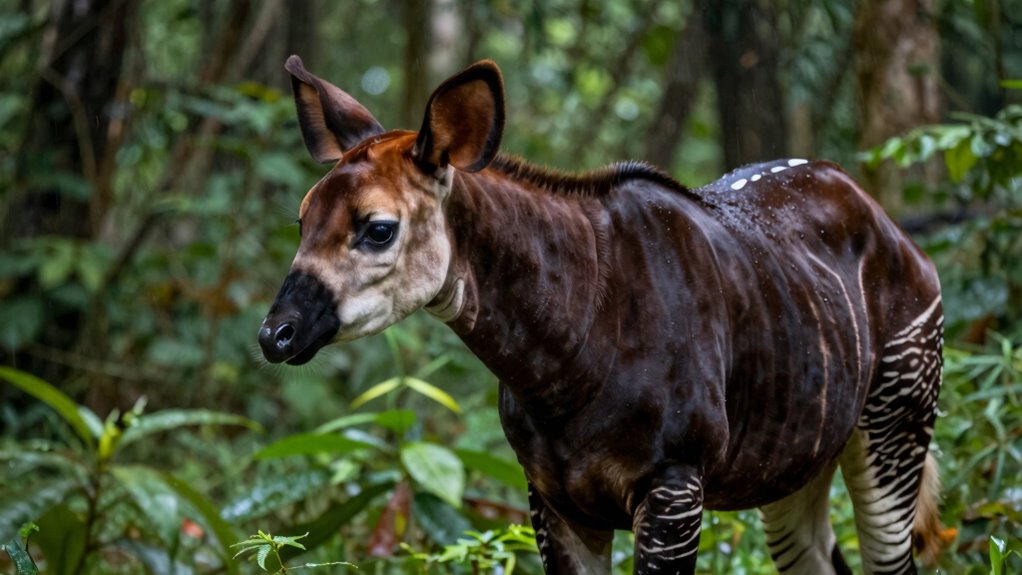

The okapi teaches you that nature can create animals that seem impossible but are perfectly suited to their environment. With its zebra-like stripes for camouflage and a body similar to a giraffe, it shows how evolution crafts unique adaptations to survive in dense rainforests. Its resilience and specialized features remind you that even the most elusive creatures hold secrets to life’s incredible diversity. Keep exploring to uncover more astonishing truths about these extraordinary animals.

Get school and study supplies delivered free — and shop member deals
- Fast, free delivery on millions of items
- Access to Prime Big Deal Days deals on October 6–7
- Prime Video, Amazon Music and more included
Key Takeaways
- The okapi exemplifies how evolution creates highly specialized, seemingly ‘impossible’ adaptations for survival in specific environments.
- Its camouflage demonstrates nature’s ability to develop effective concealment strategies in dense habitats.
- The okapi’s unique blend of traits shows that extraordinary creatures can evolve through resilience and environmental pressures.
- Its existence highlights the importance of habitat preservation to protect rare, ‘impossible’ species.
- The okapi teaches us that even the most elusive animals hold vital lessons about biodiversity and adaptation.
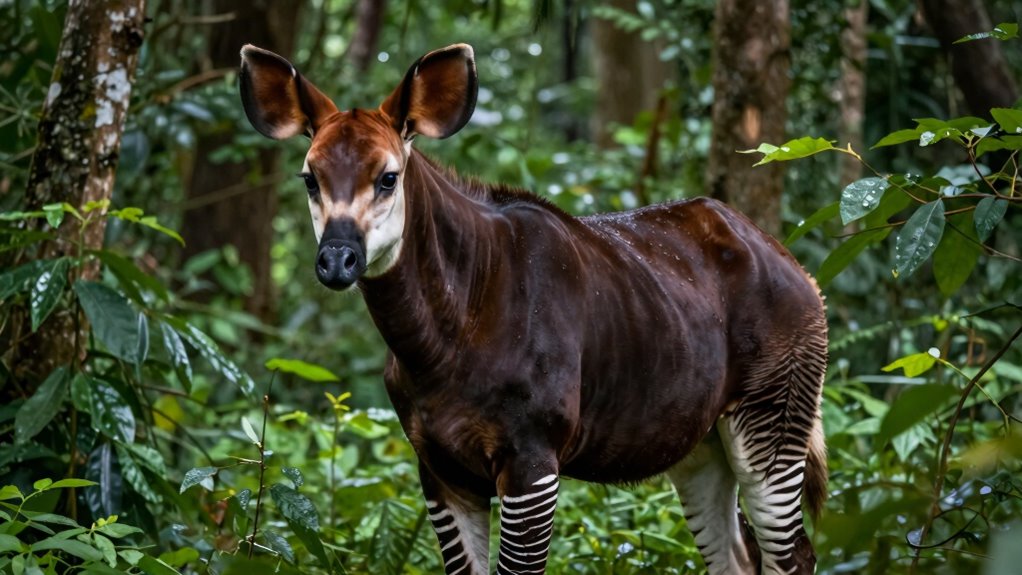
Have you ever heard of the okapi? This elusive animal, often called the “African zebra giraffe,” is a living confirmation to nature’s ability to produce the seemingly impossible. Hidden deep within the Congo’s dense rainforests, the okapi remains a mystery to many, but its existence offers valuable lessons about resilience and adaptation. When you consider okapi conservation, you realize how fragile their survival is and how critical it is to protect their habitat. These animals are not just rare; they’re essential indicators of the rainforest’s health. Saving them means preserving an entire ecosystem that countless other species depend on. The okapi’s survival hinges on efforts that combat deforestation and illegal hunting, making their conservation a priority for biodiversity. Their unique adaptations also demonstrate how evolution crafts solutions specifically suited to a creature’s environment, highlighting the importance of understanding species adaptations.
What truly makes the okapi extraordinary are their unique okapi adaptations. They possess a blend of features from different animals, which helps them thrive in their environment. Their striking appearance, with a body resembling a giraffe’s and zebra-like stripes on their legs, isn’t just for show—it’s a clever form of camouflage. These stripes help break up their outline among the dense foliage, making it harder for predators to spot them in the thick rainforest. Their long, flexible tongue, which can reach up to 16 inches, is another remarkable adaptation. You might think it’s just a feeding tool, but it also helps them groom and strip leaves with precision. Their keen sense of hearing and smell further enhances their ability to detect danger, allowing them to stay hidden from predators like leopards and humans. The okapi’s adaptations reveal how evolution crafts solutions suited specifically to a creature’s environment. You see, their camouflage and sensory skills aren’t random; they’re honed over thousands of years to ensure survival in the challenging rainforest. Recognizing these unique adaptations helps you appreciate the okapi’s resilience, even as they face threats from habitat loss and poaching. It’s a stark reminder that animals we once thought were impossible to find or understand still hold secrets about how life persists in the most demanding conditions. The okapi teaches us that nature’s ingenuity can produce astonishing creatures, and it underscores the importance of ongoing efforts to conserve these remarkable animals. Their story is one of persistence, adaptation, and hope—an inspiring example of what’s possible when we dedicate ourselves to protecting the impossible.
As an affiliate, we earn on qualifying purchases.
Frequently Asked Questions
Are Okapis Considered Endangered or Threatened Species?
You should know that okapis are considered endangered species due to habitat loss and poaching. To protect them, conservation strategies focus on habitat preservation and anti-poaching efforts. By supporting these initiatives, you help guarantee their survival. Preserving their rainforest habitat is essential, as it provides the shelter and food they need. Your involvement in conservation efforts can make a significant difference in preventing their extinction and securing their future.
How Long Do Okapis Typically Live in the Wild?
Imagine a whisper of the jungle’s secret, where the Okapi’s life unfolds like a fragile thread. In the wild, their lifespan typically reaches around 8 to 10 years, though some may live longer. The wild okapi longevity reveals their resilience amid threats, reminding us that even the most elusive creatures persevere. You see, their fleeting existence teaches us about the importance of protecting nature’s delicate balance.
Do Okapis Have Any Unique Vocalizations or Communication Methods?
You’ll find that okapis use vocal communication to maintain social interactions, especially with their mothers and offspring. They produce soft whistling sounds, gentle grunts, and snorts that help them communicate in their dense forest habitats. These vocalizations aren’t loud but are essential for social bonding and alerting others to danger. Their unique communication methods show how even elusive animals adapt with specialized vocal signals to survive and stay connected.
What Do Okapis Mainly Eat in Their Natural Habitat?
Like a cautious explorer in a lush, hidden jungle, you’d find the okapi mainly feeding on forest foraging. Its diet includes leaves, shoots, fruits, and fungi, carefully selected from dense foliage. The okapi’s long tongue helps grasp tender plants, and its keen senses guide it through the thick undergrowth. This specialized diet allows the okapi to thrive quietly in its rainforest home, a true master of its lush environment.
How Do Okapis Adapt to Their Dense Rainforest Environment?
You see, okapis adapt to their dense rainforest environment through rainforest camouflage, blending seamlessly with the shadows and foliage to avoid predators. Their sensory adaptations are impressive—they have large ears and a keen sense of smell that help detect danger and locate food. These traits enable them to navigate the thick forest undergrowth safely, making them masters of survival in an environment that’s both lush and challenging.
As an affiliate, we earn on qualifying purchases.
Conclusion
In the end, isn’t it a little surprising how the okapi, once thought impossible, reminds us that nature’s surprises can sometimes mirror our own unexpected journeys? Just as this elusive animal quietly teaches us about resilience and wonder, you might find that what seems impossible today could become your greatest discovery tomorrow—if you keep an eye out for life’s little coincidences. Sometimes, the most extraordinary lessons come when you least expect them.
rainforest animal conservation book
As an affiliate, we earn on qualifying purchases.
As an affiliate, we earn on qualifying purchases.
animal camouflage educational kit
As an affiliate, we earn on qualifying purchases.
As an affiliate, we earn on qualifying purchases.
Fall Picks
fall essentials
As an affiliate, we earn on qualifying purchases.