The púca is a shape-shifting Irish spirit known for appearing as a dark horse, goat, or human, often seen at dusk or night along lonely roads or fields. It embodies Ireland’s rich myth and mystery, acting as a trickster or guardian depending on how you approach it. Its nocturnal journeys and transformative nature make it a powerful symbol of Ireland’s supernatural heritage. To uncover more about this intriguing creature, stay with us as we explore its mysteries further.
Key Takeaways
- The púca is a shape-shifting spirit from Irish folklore, often appearing as a dark horse or human with supernatural traits.
- It symbolizes change, unpredictability, and can bring blessings or misfortune depending on interaction.
- Commonly seen as a wild, shimmering black horse galloping at night, especially along lonely roads.
- Associated with nocturnal journeys, it serves as both a guardian and trickster in Ireland’s liminal spaces.
- The púca embodies Ireland’s rich tradition of myth, representing spirits that challenge, guide, and influence travelers.
Have you ever wondered about the mysterious creatures lurking in Irish folklore? One of the most intriguing figures you might encounter is the Púca, a shape-shifting spirit woven into Irish fairy folklore and supernatural legends. The Púca is known for its unpredictable nature, often appearing as a striking black horse, a goat, or even a human, but always with an element of the uncanny. These supernatural legends have been passed down through generations, creating a tapestry of stories that blur the line between the natural and the supernatural. When you hear about the Púca, you’re learning about a creature that embodies Ireland’s rich tradition of myth and mystery, embodying both blessing and curse depending on its mood and the circumstances.
Discover Ireland’s mysterious Púca, a shape-shifting spirit embodying myth, magic, and the unpredictable forces of folklore.
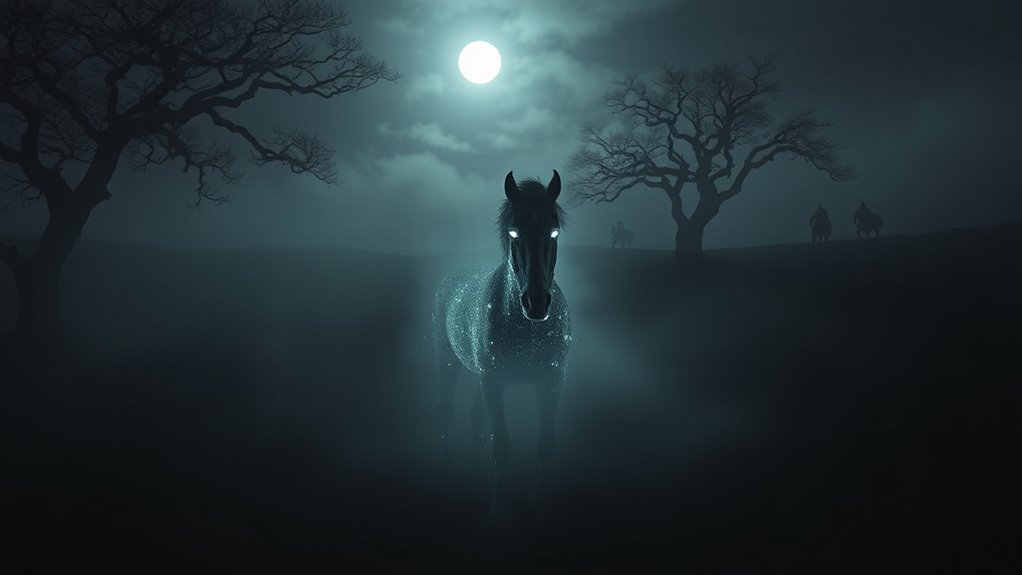
In Irish folklore, the Púca is a shape-shifter, capable of transforming into various forms to deceive or challenge those who cross its path. Often, it appears as a wild horse with a dark, shimmering coat, galloping along lonely roads or across open fields at dusk or night. Its presence is usually a sign of change or upheaval, and encountering one can be a warning — or an invitation. The Púca’s supernatural legends suggest it has the power to grant boons or bring misfortune, depending on how you interact with it. Some stories warn against approaching the creature, as it might lead travelers astray or cause them to become lost forever in the dark. Others tell of people who, with respect and courage, have managed to tame or befriend the Púca, gaining its favor and receiving blessings.
The night-rider aspect of the Púca adds an extra layer of mystery. It’s often associated with night journeys, galloping through the shadows, its hooves pounding like a heartbeat in the darkness. This nocturnal behavior makes the Púca a symbol of the unknown, a guardian or a trickster lurking in the liminal spaces between day and night. The stories of Púca night rides serve as cautionary tales, warning travelers to be wary when crossing lonely roads after sunset. Yet, they also reflect the deep-rooted belief that these supernatural beings are intertwined with Ireland’s landscape, guiding or challenging those who dare to venture into the night.
Understanding the Púca means embracing Ireland’s rich fairy folklore and supernatural legends. It reminds you that the Irish landscape isn’t just made of earth and stone but also inhabited by spirits and shadows, always watching, always waiting. Whether as a mischievous trickster or a formidable guardian, the Púca embodies the magic and mystery that make Irish folklore so enduring. Recognizing the supernatural symbolism of the Púca helps deepen your appreciation for Ireland’s cultural heritage and the stories that continue to captivate imaginations today. Encountering one isn’t just about fear; it’s about respecting the unseen forces that shape the stories of Ireland’s past and present.
Frequently Asked Questions
Are Púca Stories Still Popular in Modern Irish Culture?
Yes, púca stories remain popular in modern Irish culture. You’ll find púca storytelling alive in local festivals, folklore events, and even in popular media. These stories help preserve Ireland’s rich cultural heritage, engaging both young and old. By sharing púca legends, you actively participate in cultural preservation, keeping the mystique and tradition of Irish shape-shifters and night riders vibrant for future generations.
How Do Púca Legends Vary Across Different Irish Regions?
Like whispers carried on the wind, púca legends dance across Ireland’s landscapes, shifting with regional folklore and cultural variations. In the west, they’re mischievous tricksters, while in the north, ominous night riders. Each region paints the púca with unique colors—sometimes as helpful guides, other times as harbingers of doom—showing how local stories shape their character. You’ll see these legends woven differently, reflecting Ireland’s rich tapestry of cultural storytelling.
Can Púca Be Considered Benevolent or Only Mischievous?
You can see púca as morally ambiguous, embodying both benevolent and mischievous traits depending on cultural interpretations. In some regions, they’re protectors or bring good luck, while in others, they’re tricksters causing chaos. Their nature isn’t strictly benevolent or malicious but shaped by local beliefs. This moral ambiguity allows púca legends to reflect diverse cultural views, making them complex and fascinating figures in Irish folklore.
What Symbolism Is Associated With Púca Appearances?
You see that púca appearances symbolize transformation, mystery, and duality. They embody spiritual symbolism, representing change and hidden truths, while also holding cultural significance as messengers or warnings. Their shifting forms remind you of life’s unpredictable nature, blending the spiritual with the cultural. Whether benevolent or mischievous, púca appearances evoke a sense of wonder, emphasizing the importance of respect for the unknown and the mysteries within Irish folklore.
Are There Any Modern Adaptations of Púca in Media?
You’ll find púca characters in modern media, often reinterpreted through mythical reinterpretations and pop culture references. Films, TV shows, and books sometimes portray púca as shape-shifting tricksters or mysterious guides, blending traditional folklore with contemporary storytelling. These adaptations highlight the púca’s mischievous and enigmatic nature, making them intriguing figures in today’s fantasy worlds, where their mythic qualities are revitalized for new audiences.
Conclusion
So, as you explore the world of púca, remember they’re more than just mythical creatures—they’re echoes of Ireland’s rich, mysterious soul. Their stories whisper secrets of night riders and shape-shifting spirits that dance between worlds. Isn’t it thrilling to think that, just like these legendary beings, the line between reality and myth is thinner than you imagine? Embrace the mystery, for it’s in the unknown that life’s true magic begins.