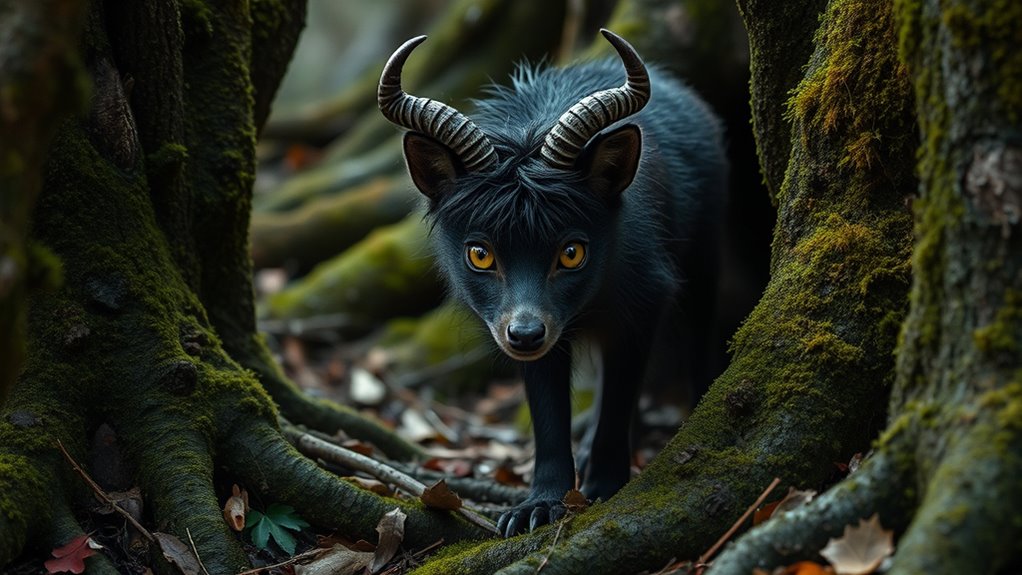

The Badalisc is a mischievous forest creature from Italy’s Lombardy region, known for its gossiping nature and folkloric origins. With a goat-like face, horns, and a fur-covered body, it symbolizes social harmony and community secrets. Celebrated in local festivals with masks and costumes, the Badalisc reinforces values of honesty and discretion. To discover the full story of this playful legend and its cultural significance, keep exploring how it continues to shape regional traditions.

Prime made for students and young adults
- Fast, free delivery for dorm and study essentials
- Prime Video and Amazon Music included
- Member-only deals
Key Takeaways
- The Badalisc is a mythical creature from Lombardy, Italy, with goat-like features and a mischievous personality.
- It symbolizes social harmony, privacy, and community trust through local legends and traditions.
- Celebrated in festivals with masks, costumes, and storytelling, reinforcing cultural identity.
- Its origins are rooted in ancient folklore, reflecting pagan rituals and regional mythology.
- The creature continues to embody Italy’s folkloric heritage, serving as a playful reminder of social norms and community bonds.
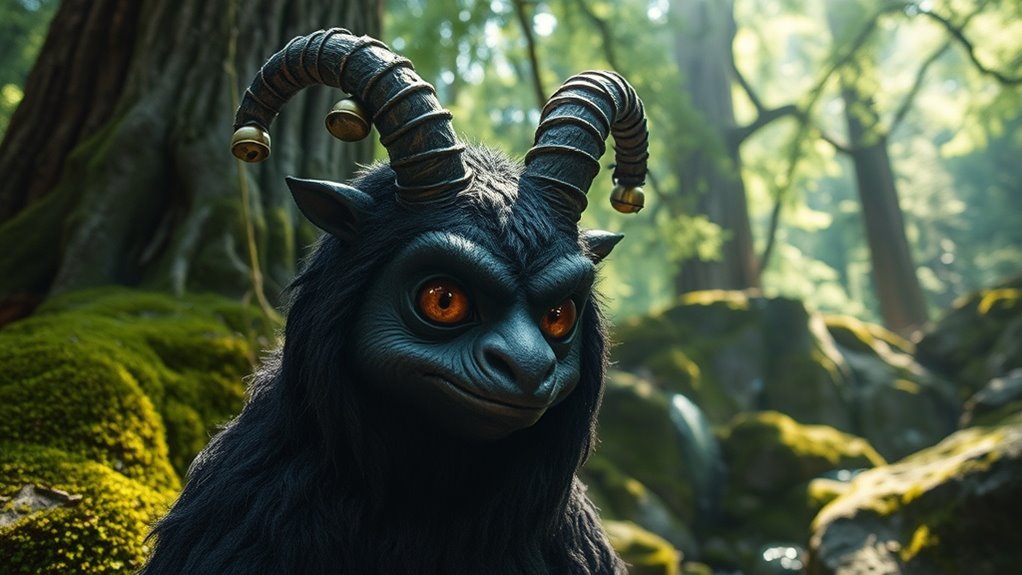
Have you ever heard of the Badalisc? If not, you’re about to discover a fascinating creature woven into Italy’s rich tapestry of regional tales. The Badalisc is a mythical being whose origins are shrouded in legend, stretching back through centuries of storytelling that vary from one region to another. These mythical origins make the creature even more intriguing, as local communities have long debated its roots, with some claiming it dates back to ancient pagan rituals, while others believe it emerged from folklore to serve as a cautionary figure. No matter the true origin, what remains consistent is the Badalisc’s role as a symbol of community identity and local tradition.
The Badalisc is a legendary creature symbolizing community and tradition, with origins blending myth, folklore, and cultural history.
In the small Italian villages of the Lombardy region, particularly around the Val Camonica, stories about the Badalisc have circulated for generations. These regional tales describe it as a beast with a mischievous nature, often depicted with a goat-like face, horns, and a body covered in fur. According to local lore, the Badalisc is a gossiping creature that eavesdrops on village secrets and relays them during special festivals. It’s said to be a guardian of sorts, but one that also loves to stir up trouble by revealing whispered confidences. This gossiping trait is central to the creature’s myth, emphasizing themes of privacy, community bonds, and social harmony. The stories serve as both entertainment and social reinforcement, reminding villagers to stay honest and respectful within their close-knit communities.
Throughout history, these tales have been passed down through generations, often performed during traditional festivals where locals don masks and costumes to imitate the Badalisc. These celebrations are lively events, filled with singing, dancing, and storytelling, where the creature’s antics are reenacted to keep the legend alive. These regional tales highlight how the Badalisc is more than just a myth; it’s a reflection of local values and social dynamics. The creature embodies the importance of discretion and the consequences of gossip, acting as a playful reminder to keep community secrets safe. As you explore these stories, you’ll notice how the Badalisc’s character is both amusing and instructive, a creature that teaches lessons wrapped in humor and folklore.
In essence, the Badalisc isn’t just a mythical creature from Italy’s past; it’s a living part of regional culture. Its origins may be uncertain, but its significance endures, keeping alive the stories that shape local identity. Whether as a playful mascot during festivals or a symbol of social cohesion, this forest creature continues to whisper through the centuries, reminding us of the power of storytelling and the importance of community ties. So next time you hear about the Badalisc, remember it’s more than a myth—it’s a vibrant piece of Italy’s cultural mosaic, rooted deeply in regional tales that have stood the test of time.
Additionally, these stories serve as an example of how folklore can preserve cultural identity and reinforce social norms within tight-knit communities.
As an affiliate, we earn on qualifying purchases.
Frequently Asked Questions
What Is the Origin of the Badalisc Legend?
The Badalisc legend comes from regional myths in northern Italy, especially around the Val Camonica. Its folklore origins are rooted in ancient tradition, where it symbolizes community gossip and social cohesion. You’re likely to hear stories about this creature during festivals, reflecting local beliefs and values. The myth has persisted through generations, serving as a colorful reminder of the importance of communication and unity within these mountain communities.
How Is the Badalisc Traditionally Depicted Visually?
You see the Badalisc as a mythical creature from folklore art, depicted with a bulky, hairy body covered in dark fur. Its face features a prominent, snarling mouth filled with sharp teeth, and expressive, wide eyes that seem to glint with mischief. Often, it’s shown with twisted horns or antlers, emphasizing its wild, forest-dwelling nature. This vivid imagery captures its legendary gossiping and mischievous spirit perfectly.
Are There Any Modern Adaptations of the Badalisc Story?
Modern storytelling has brought the badalisc into digital adaptations, making it accessible to new audiences. You might find it featured in video games, animated series, or online folklore collections that reimagine its gossiping nature and mysterious aura. These contemporary versions often blend traditional elements with fresh narratives, allowing you to explore the badalisc’s myth in innovative ways that resonate with today’s digital culture and storytelling trends.
When and Where Are Badalisc Festivals Celebrated?
You’ll find Badalisc festivals come alive during folklore festivals and cultural celebrations in the picturesque villages of the Italian Alps, especially around Carnival time. These lively events, held in places like Val Camonica, feature masked parades, storytelling, and tradition-rich rituals that honor the mythical creature’s gossiping tales. The excitement builds as locals and visitors alike gather, creating an atmosphere thick with mystery, tradition, and the thrill of uncovering ancient legends.
Is the Badalisc Considered a Benevolent or Mischievous Spirit?
You should know that the Badalisc is considered a mischievous spirit, often playing pranks and causing trouble. Its moral implications reflect a playful warning rather than real harm, embodying cultural symbolism of community unity and folklore traditions. As a mischievous creature, it highlights the importance of respecting local customs and stories, reminding you how folklore can teach lessons about social behavior through humor and storytelling.
Traditional Italian festival costumes
As an affiliate, we earn on qualifying purchases.
As an affiliate, we earn on qualifying purchases.
Conclusion
So, next time you hear a whisper from the forest, remember it might just be the Badalisc gossiping away. That sneaky creature, with its tales and tricks, proves that even in Italy’s woods, secrets aren’t safe. You thought you’d enjoy a peaceful walk? Think again. Because in the end, it’s the forest’s chatter that keeps us all guessing—who’s really listening, and who’s just spreading the stories? Guess the Badalisc wins again.
Mythical creature masks for festivals
As an affiliate, we earn on qualifying purchases.
As an affiliate, we earn on qualifying purchases.
Lombardy regional festival costumes
As an affiliate, we earn on qualifying purchases.
As an affiliate, we earn on qualifying purchases.
Halloween Picks
halloween
As an affiliate, we earn on qualifying purchases.