On January 6th, Italians celebrate Befana, a kind witch who brings gifts and sweets to children, marking the Epiphany. You’ll see lively parades, street stalls with colorful treats, and families hanging stockings enthusiastically awaiting surprises. Traditional festivities include storytelling, singing, and community gatherings in streets filled with warmth and cheer. The celebration emphasizes generosity, folklore, and shared customs, offering a charming glimpse into Italy’s cultural heritage—if you keep exploring, you’ll discover even more about these special traditions.
Key Takeaways
- Italians celebrate Epiphany on January 6th, honoring Befana, the kind witch who delivers gifts to children.
- Streets host lively parades with costumed characters, including Befana with her shawl and broom.
- Children hang stockings expecting sweet treats and small gifts left by Befana.
- Traditional treats like biscotti, panettone, candies, and chocolates are enjoyed during festivities.
- Celebrations emphasize community bonding, kindness, and the rich folklore surrounding Befana.
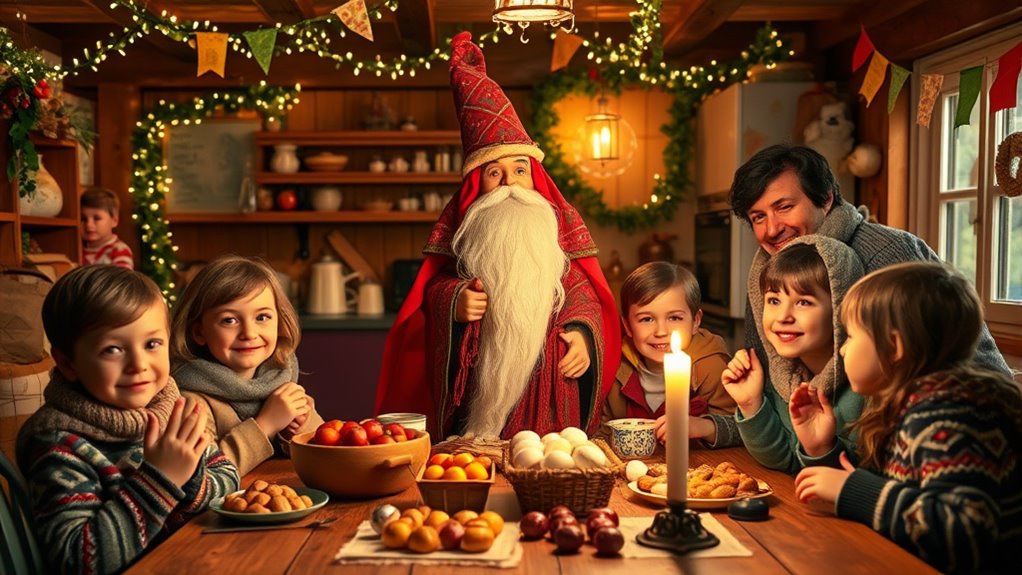
Every January 6th, Italians celebrate Befana, a beloved tradition that honors a kind-hearted witch bringing gifts to children. On this day, you’ll find streets bustling with excitement, as communities gather to participate in festive activities that have been passed down through generations. The heart of the celebration revolves around the anticipation of the Befana’s arrival, and children enthusiastically hang their stockings, hoping for sweet surprises. As night falls, many towns host lively events, where locals and visitors alike come together to enjoy the joyful atmosphere.
One of the most charming aspects of the Befana celebration is the array of traditional treats that adorn tables and street stalls. You’ll indulge in sweet pastries like biscotti and panettone, often flavored with candied fruits or drizzled with honey. The aroma of freshly baked goods fills the air, creating a warm, inviting environment. Kids love the colorful candies and chocolates that are handed out, especially the small figurines or figures that represent the Befana herself. These treats symbolize the joy and generosity that define this holiday, and sharing them with friends and family strengthens the sense of community.
Enjoy sweet pastries like biscotti and panettone, flavored with candied fruits or honey, filling the air with warm aromas.
Festive activities are plentiful and engaging. In many towns, you’ll see parades featuring costumed characters, including the Befana herself dressed in a traditional shawl, with a broom in hand, symbolizing her journey to deliver gifts. Children participate in games and storytelling sessions that recount the legend of the benevolent witch. In some places, you might even join a lively procession, singing traditional songs as you walk through the streets. The evening often culminates in bonfires or fireworks, lighting up the night sky and adding to the celebratory spirit. Additionally, the tradition has become intertwined with local folklore and cultural history, enriching the overall experience of this special day.
The tradition also encourages a sense of giving. Many families prepare small gifts or sweets to leave out for the Befana, hoping she’ll visit their homes. It’s a time to reflect on kindness and generosity, echoing the holiday spirit of Epiphany. Whether you’re participating in a local festival, enjoying the traditional treats, or simply sharing moments with loved ones, celebrating Befana allows you to immerse yourself in a cherished Italian custom that blends folklore, community, and joy seamlessly. This holiday isn’t just about gifts; it’s about embracing a rich cultural tradition that brings people together in warmth and merriment every January 6th.
Frequently Asked Questions
How Did the Befana Tradition Originate Historically?
You might find that the historical origins of the Befana tradition trace back to Italian folklore, blending pagan and Christian beliefs. Legend says a kind witch, symbolizing cultural symbolism, was believed to bring gifts to children on Epiphany. Over time, this story evolved into a beloved custom, representing the gift-giving spirit and the search for the Christ child, making Befana a cherished part of Italian cultural symbolism during Epiphany celebrations.
Are There Regional Differences in Befana Celebrations Across Italy?
You’ll notice regional differences in Befana celebrations across Italy, with each area showcasing its unique customs and local festivities. In some regions, you might see children leaving socks out for treats, while others have lively parades and fireworks. These regional customs reflect local traditions and history, making each Befana celebration special. Embrace the diversity and enjoy how different communities honor this charming Italian Epiphany tradition in their own distinctive ways.
What Are Typical Befana Treats Given to Children?
On Befana, you typically give children sweet pastries like biscotti or galette, along with chocolate treats such as small chocolates or figurines. These goodies symbolize the joy and bounty of the season. Children enthusiastically await the arrival of Befana, hoping for a bag filled with these delightful sweets. The treats are a cherished part of the celebration, making the day special and memorable for kids across Italy.
How Is the Befana Depicted in Italian Art and Folklore?
You see Befana in Italian art and folklore as a kind, old woman with a broom, often depicted flying across the sky with festive imagery and folkloric symbolism. Artists portray her wearing colorful shawls and carrying a sack of gifts, symbolizing generosity and the spirit of giving. Her image embodies mystery and warmth, reminding you of the magic and tradition that make Epiphany special in Italy.
Do Other Countries Celebrate Similar Epiphany Traditions?
You might think only Italy celebrates Epiphany traditions, but many European countries have their own customs. For example, Spain and Greece hold special parades, while France and Germany exchange gifts or perform unique rituals. These cultural variations highlight how different societies honor this holiday, emphasizing shared values like kindness and generosity. Exploring these customs reveals a richer, more diverse tapestry of European traditions, connecting you to a broader, global celebration of the season.
Conclusion
As you embrace the magic of Befana, you become part of a tradition that weaves history and heart into the fabric of Italy’s Epiphany. Like a gentle breeze carrying sweet wishes, these customs remind you that joy, surprise, and kindness are timeless gifts. So, let the spirit of Befana sweep through your celebrations, turning ordinary moments into sparkling memories that dance like stars in the winter sky.