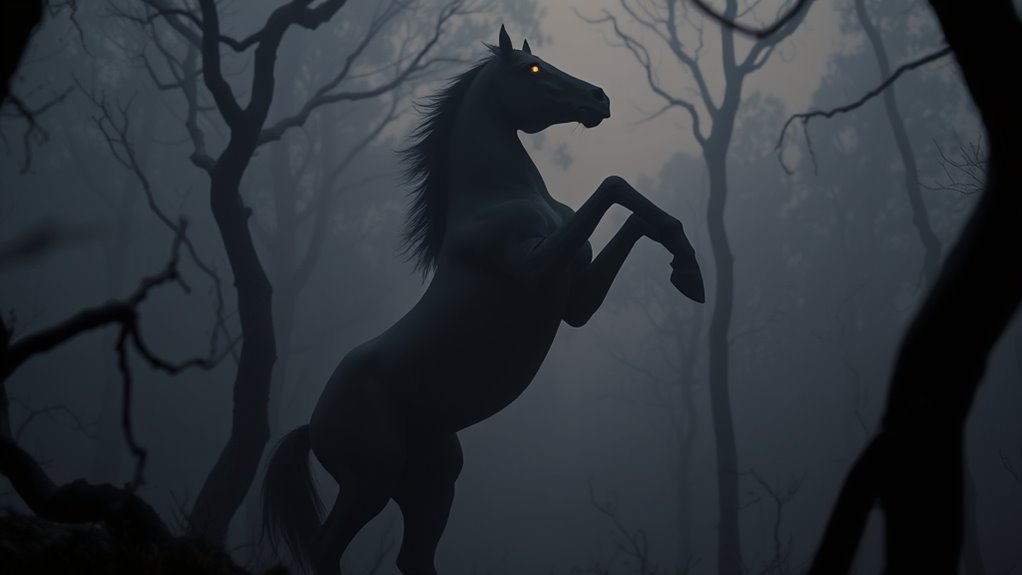

The Tikbalang is a legendary Filipino creature with a humanoid body and a horse’s head, known as a trickster and guardian of the wilderness. It symbolizes natural mystique, primal power, and the importance of respecting nature’s forces. Often playing pranks or leading travelers astray, it warns explorers to stay cautious and humble in unfamiliar lands. To uncover more about this intriguing myth, continue exploring what stories and lessons surround this mesmerizing folklore figure.

Get school and study supplies delivered free — and shop member deals
- Fast, free delivery on millions of items
- Access to Prime Big Deal Days deals on October 6–7
- Prime Video, Amazon Music and more included
Key Takeaways
- The Tikbalang is a mythical creature with a human body and horse’s head, symbolizing mystery and primal power in Filipino folklore.
- It is known as a trickster that plays pranks, leading travelers astray or causing confusion in natural settings.
- Encounters with the Tikbalang teach lessons about respecting nature, humility, and being cautious in unfamiliar environments.
- Strategies to outsmart it include turning clothing inside out or seeking its favor through respectful gestures.
- As a cultural icon, the Tikbalang embodies the mysterious forces of nature and serves as a reminder of natural reverence.
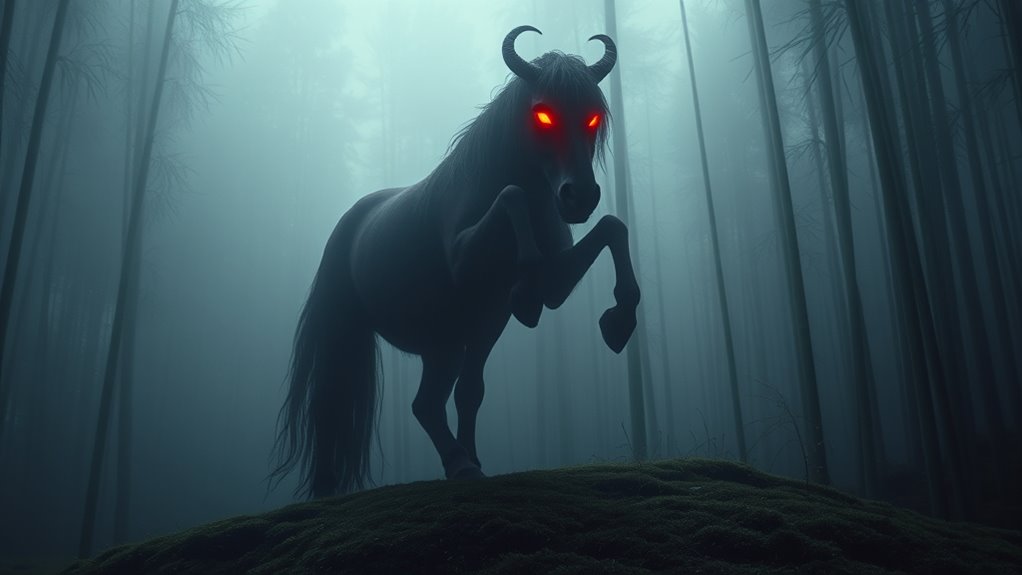
Have you ever heard of the Tikbalang, the mysterious horse demon from Philippine folklore? If not, you’re missing out on one of the most intriguing mythical creatures rooted in local legends. The Tikbalang is a creature that embodies both curiosity and caution, often serving as a symbol of folklore symbolism that warns travelers to stay alert. Known for its striking appearance—a tall, humanoid figure with the head of a horse—this creature blurs the line between reality and myth, making it a mesmerizing subject of stories passed down through generations. Its presence in Filipino culture underscores the importance of understanding folklore symbolism, where every aspect of the Tikbalang’s myth carries deeper meanings.
The Tikbalang’s striking horse-human form symbolizes mystery, mischief, and respect for natural forces in Filipino folklore.
In Philippine mythology, the Tikbalang is considered a trickster figure, often playing pranks on those who wander into its domain. Its behavior can range from harmless mischief to more sinister antics, like leading travelers astray or causing confusion in the wilderness. This mischievous nature is part of its folklore symbolism, representing the unpredictable forces of nature and the importance of respecting the natural world. Its long limbs and horse-like head symbolize wildness and primal power, reminding people to tread carefully in unfamiliar environments. Because of its elusive nature, the Tikbalang is often associated with the unknown, serving as a reminder to stay vigilant and humble in the face of nature’s mysteries. Additionally, its connection to nature spirits highlights its role as a guardian of the wilderness, emphasizing the sacredness of natural landscapes.
You might hear stories of villagers or travelers who claim to have encountered the Tikbalang in remote mountain or forest areas. These stories emphasize that the creature is more than just a myth; it’s a reflection of cultural fears and values embedded in Filipino folklore. The Tikbalang’s ability to disorient travelers teaches lessons about respecting the land and being cautious of the unseen forces that govern the natural world. Some believe that if you encounter a Tikbalang, you can outsmart it by turning your clothing inside out or asking for its favor, which showcases the creature’s role as a trickster—challenging humans to think creatively and stay alert. Its folklore symbolism often highlights the importance of humility and awareness, especially when venturing into unfamiliar or wild places.
Ultimately, the Tikbalang stands as a fascinating example of how mythical creatures serve as cultural symbols, embodying lessons and values through stories that have persisted over centuries. Its blend of mystery, mischief, and cultural significance makes it a enthralling part of Philippine folklore. Whether feared or revered, the Tikbalang reminds us that nature and the unknown hold power, and that stories of mythical creatures continue to shape our understanding of the world around us.
Filipino folklore Tikbalang figurine
As an affiliate, we earn on qualifying purchases.
As an affiliate, we earn on qualifying purchases.
Frequently Asked Questions
Are Tikbalangs Considered Good or Evil Spirits?
You might find Tikbalangs morally ambiguous because they can be both mischievous and protective, depending on the situation. They’re deeply rooted in cultural significance, symbolizing the unpredictable nature of life and the importance of respecting local traditions. While some see them as evil spirits causing trouble, others view them as guardians or tricksters who teach lessons. Their dual nature reflects the complex view of good and evil in Filipino folklore.
Can Tikbalangs Harm Humans Intentionally?
Yes, tikbalangs can harm humans intentionally, especially during supernatural encounters. They symbolize chaos and mischief in folklore, often testing or tricking travelers. Though not inherently evil, their actions reflect the unpredictable nature of spirits in folklore symbolism. If you cross their path unkindly or disrespect their territory, you risk facing their tricks or harm. Respect and caution are your best defenses when traversing their mysterious, symbolic domain.
How Do Tikbalangs Interact With Travelers?
When you encounter a Tikbalang during your travels, it often engages in playful or mischievous behavior rather than outright harm. These mythical encounters symbolize folklore themes of trickery and caution. You might find it leading you astray or causing confusion, but if you show respect or use traditional charms, it may guide you safely or simply vanish. Remember, Tikbalangs embody both cautionary tales and cultural symbolism in Filipino folklore.
Are There Specific Rituals to Ward off Tikbalangs?
Yes, there are rituals to ward off Tikbalangs. You might carry protective charms or perform specific rituals involving ritual offerings to keep them at bay. Imagine walking through the dark forest, feeling a strange presence—quickly, you place a piece of rice or salt on the ground, believing it distracts the Tikbalang. These traditional acts are believed to protect you from their mischievous tricks and prevent them from leading you astray.
Do Tikbalangs Have Any Connection to Other Filipino Myths?
You might find that tikbalangs have intriguing mythical connections to other Filipino myths, often sharing folkloric parallels with creatures like the kapre or duwende. These beings embody similar themes of trickery and guardianship, highlighting the rich tapestry of Filipino folklore. Recognizing these links helps you understand how different mythic elements intertwine, revealing cultural values and beliefs about spirits, nature, and protection within Filipino traditions.
outdoor hiking gear for forest adventures
As an affiliate, we earn on qualifying purchases.
As an affiliate, we earn on qualifying purchases.
Conclusion
As you explore the Tikbalang, you see how this trickster horse demon embodies Filipino folklore‘s rich creativity. Remarkably, a 2020 survey found that 65% of Filipinos still believe in local myths like the Tikbalang, showing how these stories remain alive. Whether as cautionary tales or cultural symbols, they remind you of the enduring power of tradition. Embrace these legends, and you’ll keep the magic of Filipino heritage thriving in your own journey.
As an affiliate, we earn on qualifying purchases.
mythology-inspired costume accessories
As an affiliate, we earn on qualifying purchases.
As an affiliate, we earn on qualifying purchases.
Halloween Picks
halloween
As an affiliate, we earn on qualifying purchases.