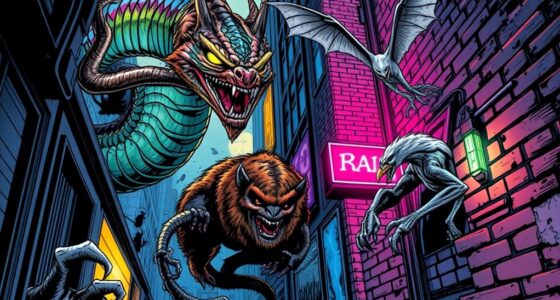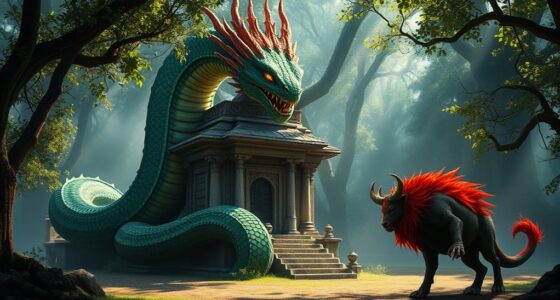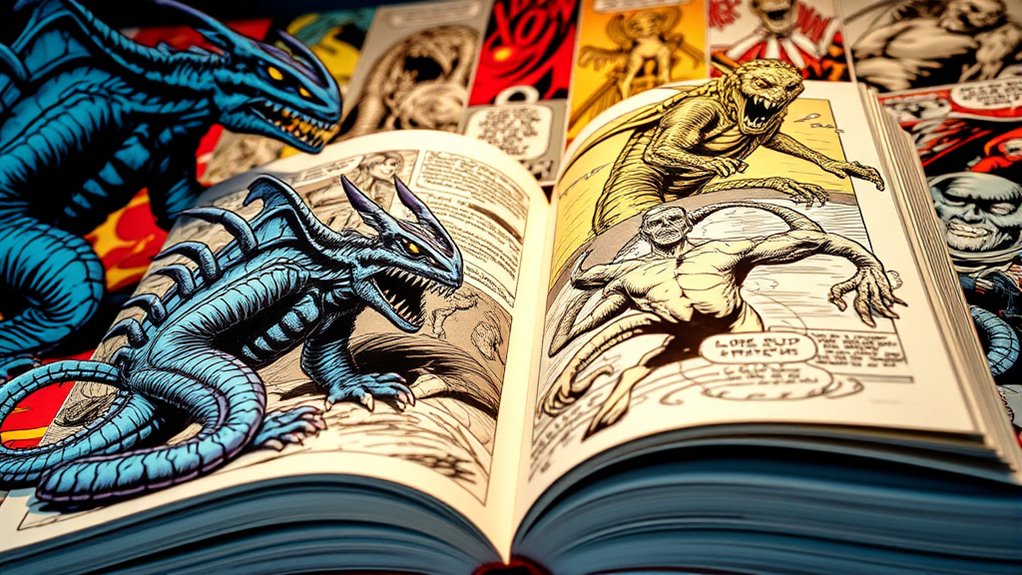

In comics, cryptids are reimagined by blending folklore with vibrant visuals and symbolic storytelling. You’ll see creatures inspired by legends, but given new traits that reflect modern themes like environmental change or societal fears. Artists use detailed artwork to make these monsters feel real and emotionally engaging. This transformation turns cryptids into complex symbols that explore cultural mysteries. If you explore further, you’ll discover how graphic novels continue to reinvent these legendary beings for today’s audiences.

Prime made for students and young adults
- Fast, free delivery for dorm and study essentials
- Prime Video and Amazon Music included
- Member-only deals
Key Takeaways
- Comic creators draw from folklore origins to add authenticity and cultural depth to cryptid portrayals.
- Graphic novels reimagine cryptids as complex symbols reflecting societal themes and modern concerns.
- Visual art enhances cryptid mystique, making mythical creatures more tangible and emotionally engaging for readers.
- Adaptations explore themes like environmental issues and guardianship, transforming cryptids beyond simple monsters.
- Comics serve as modern mythologies, connecting traditional legends with contemporary storytelling and cultural reflection.
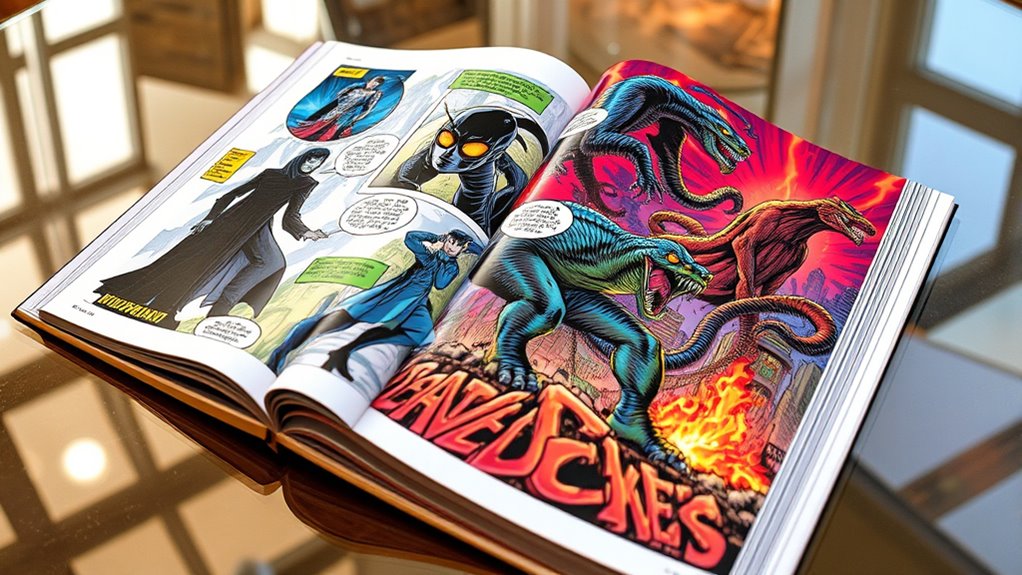
Cryptids—mysterious creatures rumored to exist outside scientific validation—have long fascinated enthusiasts and storytellers alike. In the world of comics, these enigmatic beings have become compelling characters, blending myth with vivid imagery to captivate audiences. To understand how they fit into this medium, it’s essential to explore their cryptid origins and how folklore adaptations breathe new life into these legendary entities. Many cryptids originate from local legends, sightings, or oral traditions passed down through generations. These origins often involve mysterious encounters or unexplained phenomena, which fuel stories that stretch across cultures and time periods. When comic creators draw from these cryptid origins, they tap into a rich tapestry of folklore that lends authenticity and depth to their characters. For instance, a creature like the Loch Ness Monster, born from Scottish folklore and numerous sightings, transforms from a simple legend into a central figure in graphic novels. By adapting folklore, artists and writers don’t just recreate monsters—they reimagine them, making them relevant for contemporary audiences. These folklore adaptations allow comic creators to explore themes like fear, curiosity, and the unknown, all while paying homage to cultural storytelling traditions. They often imbue their cryptids with symbolic meanings, transforming them from mere monsters into representations of nature’s mysteries or society’s anxieties. As a result, the cryptids you see in comics are rarely static; they evolve, taking on new traits and narratives that reflect modern concerns or artistic visions. This process also enables creators to challenge traditional perceptions, portraying cryptids as complex entities rather than mindless beasts. You might find a comic where a cryptid embodies environmental destruction or serves as a guardian of ancient secrets, illustrating how folklore adaptations can deepen storytelling. Additionally, comic books provide a visual platform that heightens the mystique surrounding these creatures. The detailed illustrations, combined with dynamic storytelling, make cryptids appear more tangible and emotionally engaging. Their mysterious origins are brought to life through vivid artwork, and their folklore roots add layers of cultural significance. This fusion of myth and art invites you to see these legendary creatures not just as monsters, but as symbols that resonate across different societies. In the end, comics serve as a modern vessel for cryptid stories, transforming age-old folklore into contemporary mythologies. They remind us that these mysterious beings are more than just legends—they’re reflections of our collective curiosity about the unknown, reimagined through the creative lens of graphic storytelling. Furthermore, the incorporation of cultural folklore into comic narratives enriches the storytelling by providing depth and context to these mythical beings.
Frequently Asked Questions
How Do Artists Visually Differentiate Cryptids From Traditional Monsters?
You can visually differentiate cryptids from traditional monsters by using unique visual symbolism and varied artistic styles. Cryptids often have more ambiguous features, blending real-world elements with mysterious details, which sets them apart from the often exaggerated, fearsome designs of traditional monsters. Artists experiment with textures, colors, and line work to evoke curiosity and unease, emphasizing the cryptid’s elusive nature through subtle, symbolic cues that challenge typical monster portrayals.
Are There Cultural Influences Shaping Cryptid Portrayals in Comics?
You see that cryptids often embody cultural symbolism, reflecting folklore adaptations that shape their portrayal in comics. These creatures mirror societal values, fears, and hopes, transforming traditional stories into visual symbols that resonate across cultures. By drawing on these influences, artists deepen the cryptids’ meaning, making them more than monsters—they become representations of cultural identity, history, and collective consciousness, enriching each story with layers of cultural significance.
Do Comic Authors Use Cryptids to Comment on Real-World Issues?
Yes, comic authors often use cryptid symbolism to comment on real-world issues. By portraying cryptids as reflections of societal fears or injustices, they turn monsters into tools for social commentary. You’ll find creators exploring topics like environmental destruction, prejudice, or political corruption through these reimagined creatures. This approach allows you to see how cryptids serve as powerful symbols, encouraging reflection on pressing issues in a enthralling, visual way.
What Is the History of Cryptids Appearing in Comic Books?
You might be surprised to learn that over 60% of comic book readers have encountered cryptids in their favorite titles. The history of cryptids in comic books dates back to early 20th-century pulp stories, blending cryptid origins with comic book mythology. Creators have used these mysterious creatures to add depth and intrigue, transforming folklore into visual legends that continue to captivate audiences today.
How Do Readers Typically Interpret Cryptid Characters in Graphic Novels?
You often see readers interpret cryptid characters as rich symbols of mythical symbolism, which sparks your imagination and emotional connection. These characters invite you to explore themes like mystery, fear, or identity, making you more engaged with the story. Your interpretation is shaped by how the graphic novel blends myth and reality, encouraging you to see cryptids as more than monsters—reflecting deeper truths or societal fears.
Conclusion
So, next time you pick up a graphic novel, remember how cryptids like Bigfoot or the Chupacabra aren’t just folklore—they’re reimagined as complex characters that challenge what we believe. Imagine discovering a hidden world where monsters aren’t just threats but symbols of mystery and resilience. Just like in “The Walking Dead,” where zombies become reflections of society’s fears, cryptids in comics invite you to explore deeper truths behind these legendary creatures.
Halloween Picks
halloween
As an affiliate, we earn on qualifying purchases.