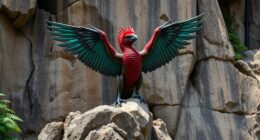
Many sports teams choose beast-inspired names and mascots because these animals embody qualities like strength, agility, and dominance that fire up team spirit and intimidate opponents. Seeing your favorite team named after a fierce creature creates a sense of pride and unity within the community. These mascots often reflect regional history or wildlife, making the connection even stronger. Keep exploring to discover how regional ties and cultural symbolism influence team names and mascots even further.
Key Takeaways
- Beast mascots symbolize strength, agility, and ferocity, inspiring confidence and unity among team members and fans.
- Teams choose beast names rooted in regional wildlife or cultural significance to foster local pride.
- Mascots like monsters or fierce animals serve as powerful emblems of resilience and dominance.
- Regional lore enhances mascot symbolism, creating emotional connections and emphasizing local heritage.
- Beast mascots strengthen community identity, fostering fan engagement and a shared sense of pride.

Many sports teams have adopted the names of fierce or powerful beasts to embody strength, agility, and competitive spirit. When you see a team called the Tigers, Bears, or Wolves, it’s more than just a nickname—it’s a deliberate choice rooted in mascot symbolism. These names evoke qualities like resilience, ferocity, and dominance, which players and fans alike want to associate with their team’s identity. The mascot’s symbolism isn’t just about intimidation; it’s about inspiring confidence and unity, creating a shared identity that fuels the team’s determination on game day. By choosing a beast as a mascot, teams aim to project qualities that resonate deeply with their community and supporters, making the beast a living emblem of their collective spirit. Regional beast associations play an essential role in shaping these mascot choices. Many teams select animals that hold cultural or historical significance within their local area. For instance, a team from the Midwest might adopt the bison, symbolizing resilience and the region’s frontier history. Coastal teams might go for sea creatures like sharks or dolphins, reflecting the local environment and maritime traditions. These regional associations strengthen the connection between the team and its community, grounding the mascot’s symbolism in local pride and heritage. When you see a team representing a regional beast, it’s often a nod to the natural history or cultural identity of that place, reinforcing the idea that the team embodies the spirit of its community. The choice of beast mascots often involves understanding regional lore and symbolism. For example, a team named after a mountain lion might emphasize stealth and agility, qualities highly valued in their local landscape. Conversely, a team called the Stallions might draw on regional equestrian traditions, highlighting power and speed. These associations deepen fans’ emotional ties to the team, as the beast becomes more than a mascot—it becomes a symbol of regional identity. It’s a way to celebrate local wildlife, history, and values, turning the team into a living extension of regional pride. Additionally, website performance metrics help teams analyze fan engagement and improve their branding strategies, further strengthening regional connections. In essence, when you cheer for a team named after a beast, you’re rooting for more than just athletic prowess—you’re supporting a symbol that represents strength, regional identity, and a shared community spirit. The mascot symbolism and regional associations make these names meaningful, fostering a sense of belonging that extends beyond the game. It’s this connection that keeps fans engaged and passionate, making beast-named teams more than just competitors—they’re an indispensable part of their community’s story.
Frequently Asked Questions
How Do Teams Choose Their Beast Mascot?
When teams choose their beast mascot, they often consider animal symbolism that represents strength, agility, or fierceness. They also look at current mascot design trends to create a memorable, eye-catching character. You’ll find teams selecting animals that embody their values and energize fans, often involving community input or branding experts to guarantee the mascot aligns with their identity. Ultimately, the goal is to inspire loyalty through a powerful, recognizable symbol.
Have Any Teams Changed Their Beast Mascot?
Yes, some teams have changed their beast mascots, often due to superstitions or symbolism shifting over time. You might notice teams rebranding to reflect regional animal significance or to break long-standing superstitions associated with their previous mascots. These changes aim to boost team morale or connect better with local communities, showing how evolving cultural values influence mascot choices and identities in sports.
What Are the Origins of Beast-Inspired Team Names?
You might find that beast-inspired team names originate from mythical creatures and cultural symbolism, embodying strength, courage, and power. These names often reflect local legends or historical significance, helping teams forge a fierce identity. By choosing beasts like lions, tigers, or dragons, teams connect to deep-rooted stories and cultural values, inspiring players and fans alike. The origins highlight a desire to embody the formidable qualities these creatures symbolize across different societies.
Do Beast Mascots Impact Team Performance?
Imagine your team as a fierce beast, ready to conquer—beast mascots can boost performance by inspiring confidence and unity. They serve as rallying symbols, much like in fantasy league strategies, where mindset matters. Trendy mascot designs often tap into primal energies, energizing players. So, yes, beast mascots can positively impact your team’s attitude, motivation, and overall performance, turning a simple mascot into a powerful symbol of dominance.
Are There Any Controversies Surrounding Beast Mascots?
Yes, there are controversies surrounding beast mascots. You might notice concerns about cultural sensitivity and mascot misrepresentation, especially when mascots evoke stereotypes or caricatures. These issues spark debates about respect and appropriateness, prompting teams to reevaluate their mascots. You should be aware that such controversies often lead to calls for more respectful and culturally sensitive representations, encouraging teams to choose mascots that honor tradition without offending communities.
Conclusion
As you imagine these teams, picture fierce creatures lurking just beyond the spotlight, their presence whispering strength and determination. These beastly mascots, like silent guardians, inspire fans to channel their inner courage. Though they might seem intimidating, they remind us that greatness often wears a wild, untamed face. Embracing these symbols, you see how they stir a fierce pride within, turning ordinary games into legendary battles against the shadows of doubt.