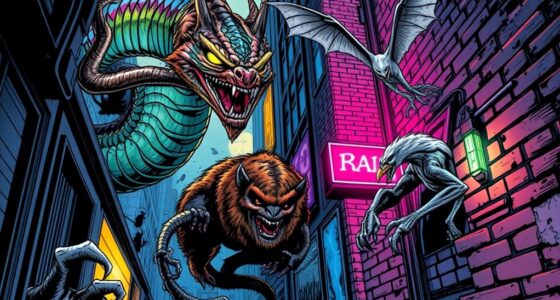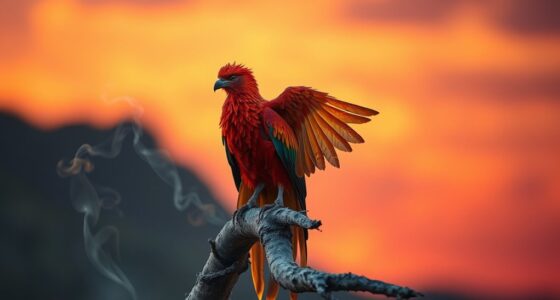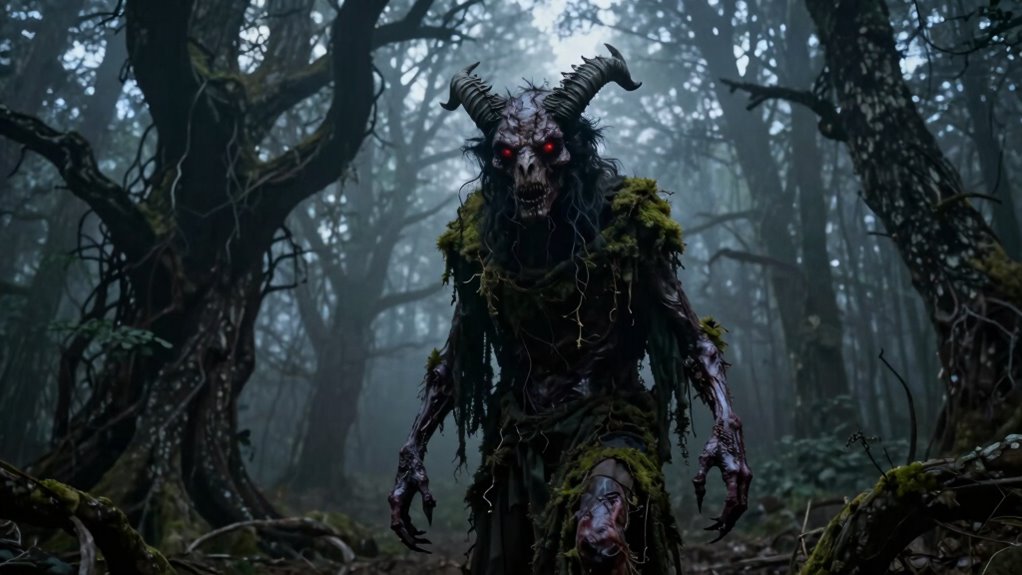

In folklore, a monster becomes an outcast because it embodies fears and challenges societal norms. You’ll see they often symbolize the unknown, chaos, or taboo elements communities want to keep hidden. Their supernatural powers and differences set them apart, fueling suspicion and rejection. Their exile reinforces moral boundaries and community values, serving as warnings or symbols of threats. To discover how these themes shape their outsider status, keep exploring the cultural stories behind monsters.

Prime made for students and young adults
- Fast, free delivery for dorm and study essentials
- Prime Video and Amazon Music included
- Member-only deals
Key Takeaways
- Monsters challenge societal norms, symbolizing chaos or taboo elements that threaten community order.
- They are seen as outsiders due to their defiance of cultural values and expectations.
- Their supernatural or otherworldly traits mark them as fundamentally different and threatening.
- Rejection often reflects societal efforts to reinforce moral boundaries and exclude the unfamiliar.
- Monsters symbolize fears of contamination, the unknown, and serve as warnings within folklore narratives.
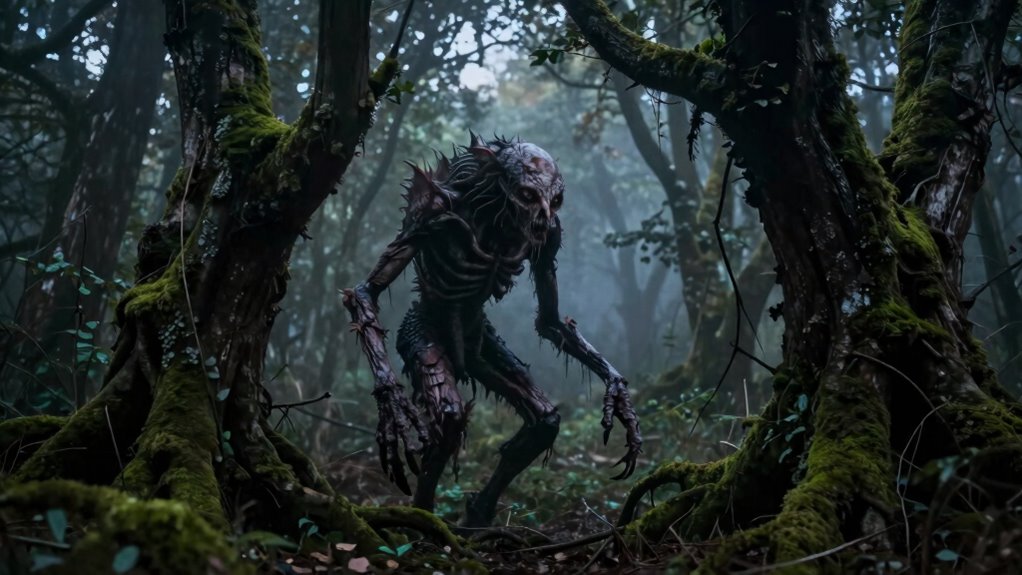
In folklore, monsters often become outcasts not just because of their terrifying appearances, but because they challenge societal norms and provoke fear or misunderstanding. When you encounter stories of these creatures, it’s clear that their rejection isn’t solely based on what they look like, but on what they symbolize or threaten within the community. Cultural rejection plays a key role here—these monsters are seen as outsiders because they defy the values, beliefs, or expectations upheld by society. They often represent chaos, the unknown, or taboo elements that people prefer to keep hidden or suppressed. As a result, they’re branded as dangerous or cursed, making it easier for society to justify pushing them away. This process of exclusion reflects broader themes of societal boundaries and how communities distinguish between acceptable and threatening elements. Supernatural stigma is another powerful factor that isolates monsters in folklore. These beings are often linked to mysterious, otherworldly forces that humans don’t fully understand. Their supernatural traits—such as powers beyond natural laws or their connection to dark magic—further reinforce their status as outcasts. Society perceives them as unnatural or evil, fueling fears that they might bring harm or misfortune. This Supernatural stigma isn’t just about their abilities; it’s about the profound difference between them and ordinary humans. Because they operate outside the realm of normal human experience, they’re viewed as threats, even if they don’t intend harm. Your stories might depict monsters as victims of this rejection, but more often, they serve as warnings or symbols of societal boundaries. When a monster is cast out, it’s not only about their appearance but also about what they represent—something that challenges the moral or spiritual order. Their exile acts as a way for communities to reinforce their own identity and values by defining what’s acceptable and what’s not. The fear of contamination or corruption often accompanies this, as outsiders with supernatural traits are seen as potential sources of disorder. Ultimately, the outcast status of monsters in folklore isn’t just an arbitrary label—it’s rooted in deep cultural rejection and supernatural stigma. These stories reveal how societies deal with the unfamiliar and the threatening, often by casting them aside to maintain social cohesion. The monsters’ rejection reminds you that fear of the unknown and the desire to uphold norms are universal themes, shaping how communities define who belongs and who is condemned as an outsider.
As an affiliate, we earn on qualifying purchases.
Frequently Asked Questions
How Do Cultural Differences Influence Monster Outcasts?
Cultural differences influence monster outcasts by shaping their symbolic roles based on local beliefs and values. You see, cultural symbolism assigns specific meanings to monsters, often reflecting societal fears or morals. Mythical origins also vary, affecting how communities perceive these beings. In one culture, a monster might symbolize chaos, while in another, it could represent a protective force. These diverse interpretations make monsters outcasts because they embody contrasting cultural narratives.
Are There Positive Monster Outcasts in Folklore?
Like a diamond in the rough, some monsters in folklore are benevolent outcasts. You see, misunderstood creatures often serve as protectors or wise guides, showing kindness despite their scary reputations. These positive monsters challenge the idea that all outcasts are villains, revealing that even misunderstood beings can have good qualities. They remind you that sometimes, being different isn’t a curse but a gift, shaping legends with compassion and strength.
What Role Does Morality Play in Monster Exclusion?
Morality considerably influences how monsters are excluded in folklore. You’ll notice that moral ambiguity often defines their status—those who challenge or threaten societal norms are cast out due to perceived ethical implications. This exclusion reflects cultural values, where monsters symbolize fears or moral lessons. Their moral ambiguity makes them more complex, prompting society to question what is right or wrong, and ultimately shaping their role as outcasts.
How Do Monster Outcasts Evolve Over Time?
Over time, monster outcasts often undergo subtle shifts, transforming from feared figures to misunderstood beings. Their mythical origins may evolve through storytelling, revealing layers of nuance. Through transformation stories, they grow from symbols of chaos to entities embodying compassion or wisdom. You might see them gradually integrated into cultural narratives, reflecting society’s changing attitudes, and softening the once rigid boundaries that kept them apart, fostering empathy and deeper understanding.
Can Monsters Become Accepted in Folklore Communities?
Yes, monsters can become accepted in folklore communities through mythical redemption stories that showcase their transformation or good deeds. When a monster demonstrates bravery, kindness, or sacrifice, it challenges outsider acceptance and shifts perceptions. Over time, these stories foster empathy, allowing communities to see monsters as complex beings rather than mere outcasts. This evolving narrative helps bridge the gap between fear and understanding, promoting acceptance of once-feared monsters.
mythical creature action figures
As an affiliate, we earn on qualifying purchases.
As an affiliate, we earn on qualifying purchases.
Conclusion
In the end, the monster’s status as an outcast isn’t just about what it is, but what it symbolizes in our collective fears and morals. Like a mirror held up to society, it reveals our deepest anxieties and biases, making it an eternal outsider. It’s as if, in dismissing these creatures, we’re really shunning parts of ourselves — the shadows we refuse to face. So, perhaps the true monster isn’t the outcast, but our unwillingness to accept the unfamiliar.
supernatural folklore collectibles
As an affiliate, we earn on qualifying purchases.
As an affiliate, we earn on qualifying purchases.
As an affiliate, we earn on qualifying purchases.
Fall Picks
fall essentials
As an affiliate, we earn on qualifying purchases.