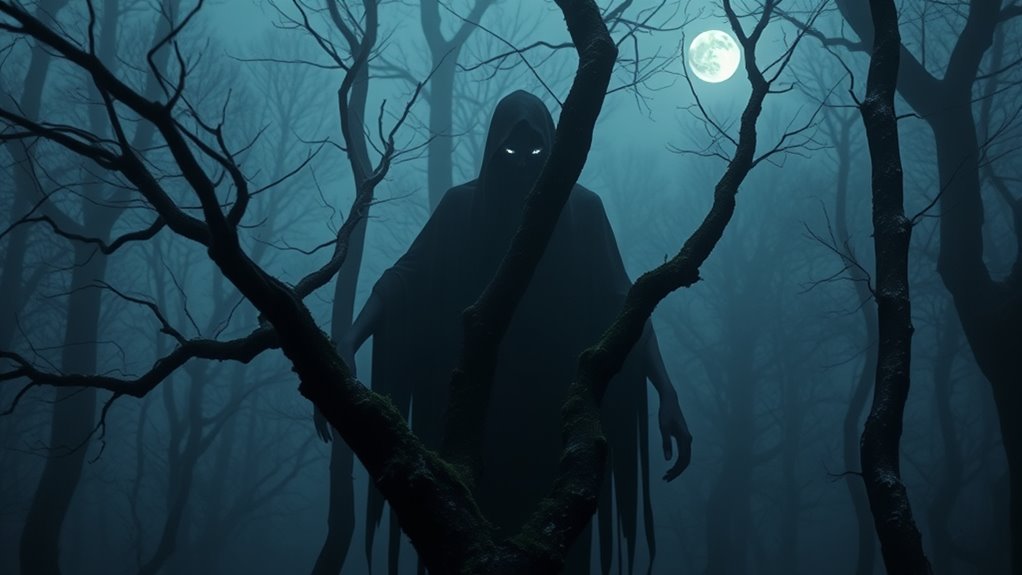

In Spain and Portugal, the Coco is a spooky figure used to keep children in line, often depicted as a dark, shadowy presence or monster. Parents use it as a warning to encourage good behavior and bedtime compliance, reflecting societal values about obedience and morality. Over time, stories about the Coco have adapted into books, shows, and performances that highlight lessons about kindness and facing fears. If you keep exploring, you’ll uncover how this folklore continues to shape childhood traditions today.
Key Takeaways
- The Coco is a legendary figure used to frighten children into good behavior in Spain and Portugal.
- It is depicted as a dark, shadowy, monstrous face or cloaked figure embodying fear of the unknown.
- Traditionally, the Coco enforces obedience and safety by serving as a warning against misbehavior or bedtime resistance.
- Modern adaptations portray the Coco as a misunderstood guardian, emphasizing moral lessons over fear.
- The legend reflects societal values around morality, obedience, and parental authority across generations.

In both Spain and Portugal, the legend of the Coco has long served as a chilling warning to children—an unseen, shadowy figure lurking in the dark to enforce good behavior. This mysterious entity, often depicted as a dark, cloaked figure or a monstrous face, embodies the fears of the unknown and the importance of obedience. For generations, parents have used the Coco as a tool to encourage children to follow rules, go to bed on time, and stay out of trouble. Its cultural significance runs deep, shaping childhood discipline and reflecting societal values around obedience, morality, and safety. Over time, the legend has transcended mere bedtime stories, becoming woven into the fabric of local traditions and folklore. In many communities, children are told that the Coco might visit if they misbehave, creating a sense of both fear and accountability that helps reinforce good behavior.
Additionally, the storytelling tradition surrounding the Coco often incorporates lessons about kindness and responsibility, evolving the figure from a purely frightening presence to a more nuanced character. Today, the legend of the Coco continues to evolve through modern adaptations, making it relevant to contemporary audiences. In Spain and Portugal, stories have been adapted into books, animated series, and even theatrical performances that reframe the figure of the Coco in creative ways. Some portray it as a misunderstood guardian rather than a frightful monster, aiming to teach children lessons about kindness and responsibility rather than fear alone. Modern storytellers often emphasize the symbolic nature of the Coco, encouraging children to face their fears and understand the importance of moral choices. Additionally, digital media and social platforms have given rise to new interpretations, blending traditional folklore with humor and contemporary themes. These adaptations help keep the legend alive, ensuring it remains part of childhood while making it less intimidating and more relatable for today’s kids.
Despite these changes, the core purpose remains unchanged: the Coco is a powerful cultural symbol that enforces societal norms and parental authority. Its enduring presence underscores how folklore adapts over time to reflect shifting values and technological advances. For you, understanding the cultural significance of the Coco reveals more than just a spooky story; it uncovers a tradition rooted in community cohesion, moral education, and the collective effort to shape young minds. Whether through traditional tales told around a fire or through modern media, the legend persists, reminding children of the importance of good behavior in a way that resonates across generations. The Coco remains a fascinating example of how folklore evolves while maintaining its fundamental role as a cultural touchstone in both Spain and Portugal.
Bedtime Stories for Toddlers: 20 Magical Tales to Spark Sweet Dreams. Heartwarming Stories for Ages 3-5.
As an affiliate, we earn on qualifying purchases.
As an affiliate, we earn on qualifying purchases.
Frequently Asked Questions
What Are the Origins of the Coco Legend?
The origins of the Coco legend trace back to mythical origins rooted in Iberian folklore, where it serves as a cultural symbolism to encourage children to behave. You might see it as a cautionary figure, representing a mysterious, shadowy entity that lurks in the dark. Its story has evolved over centuries, blending local myths and societal values, making it a powerful tool to teach discipline and safety through storytelling.
How Has the Coco Myth Influenced Modern Spanish and Portuguese Culture?
You see, the Coco myth influences modern Spanish and Portuguese culture through urban legends and folk symbolism, acting as a cautionary figure for children. It prompts parents to encourage good behavior, while also serving as a shared cultural touchstone that reinforces community values. This legend’s enduring presence in stories and media keeps its symbolic power alive, shaping societal norms and collective fears in both countries.
Are There Regional Variations of the Coco Story?
Think of the Coco story as a tapestry woven with regional differences and cultural adaptations. You’ll find that in different areas, the tale shifts—some emphasize its role as a cautionary figure, others turn it into a symbol of tradition. These variations reflect local beliefs and customs, giving the story a unique flavor wherever it’s told. So, yes, the Coco’s story morphs to fit each community’s cultural landscape.
What Lessons Does the Coco Tale Aim to Teach Children?
You learn that the coco tale aims to teach children important moral lessons and discipline strategies. It encourages good behavior by warning kids about the consequences of misdeeds, using fear as a tool for discipline. The story promotes values like honesty, obedience, and respect, helping children understand the importance of following rules. Through this, children develop a sense of morality and self-control, making the tale a useful tool for guiding their behavior.
Has the Coco Figure Appeared in Contemporary Media or Literature?
Like shadows lurking in modern urban legends, the Coco continues to haunt contemporary media and literature. You’ll find it woven into folklore adaptations, from children’s books to TV shows and online stories, where it morphs and evolves. This spectral figure acts as a mirror to societal fears, reminding you that even in today’s digital age, age-old legends persist, whispering warnings through stories that captivate and caution.

Enhopty Lady of Guadalupe Plush Blessed Mary Stuffed Doll Christ Religious Toys Savior Plush Christian Religious Figure Home Christmas Decoration 14" (red, 14 inch)
High Quality Material:ThisGuadalupe plush is made of soft PP cotton.It is fluffy,skin-friendly,harmless and very soft to touch.
As an affiliate, we earn on qualifying purchases.
As an affiliate, we earn on qualifying purchases.
Conclusion
So, next time you hear about the Coco lurking in the shadows, remember it’s more about caution than fear. Imagine telling your kids that the Coco is just a story to keep them safe, like a gentle warning. Just like a parent once used the myth to encourage kids to stay close at night, the legend helps remind us to stay aware and protect what matters most. Embrace it as part of the rich cultural tapestry.

Shadow Puppet Theater Set – 20-Piece Fairy Tale Silhouette Kit with Felt Cutouts, Sticks & Dots – DIY Storytelling Shadow Play for Kids, Classroom, Family Craft Activities
Magical Storytelling Kit for Kids Includes 20 classic fairy tale silhouette characters: dragons, wolves, castles, princesses, witches, animals…
As an affiliate, we earn on qualifying purchases.
As an affiliate, we earn on qualifying purchases.

365 Moral Stories for Kids Ages 4–8: A Collection of Short Illustrated Stories That Introduce Moral Values, Good Habits, and Simple Life Lessons for Young Children
As an affiliate, we earn on qualifying purchases.
As an affiliate, we earn on qualifying purchases.