The Monkey Man of Delhi sparked mass hysteria as myths spread through community fears and sensational media coverage. You might have noticed how reports of sightings, often exaggerated or unverified, fueled public panic and paranoia. People started seeing shadows or hearing noises, reinforcing the belief in the creature’s presence. This cycle of fear was driven by media amplification, leaving a lasting psychological impact. If you explore further, you’ll discover how this myth illustrates the power of collective imagination and sensationalism.

Prime made for students and young adults
- Fast, free delivery for dorm and study essentials
- Prime Video and Amazon Music included
- Member-only deals
Key Takeaways
- Media sensationalism amplified sightings, fueling public fear and creating a feedback loop of hysteria.
- Reports of sightings, often unverified, reinforced the myth and increased community paranoia.
- The legend of the Monkey Man caused collective anxiety and disturbed mental well-being among residents.
- Sensational coverage transformed a local myth into a widespread urban legend across Delhi.
- The episode highlights how media influence and urban myths can escalate mass panic and psychological distress.
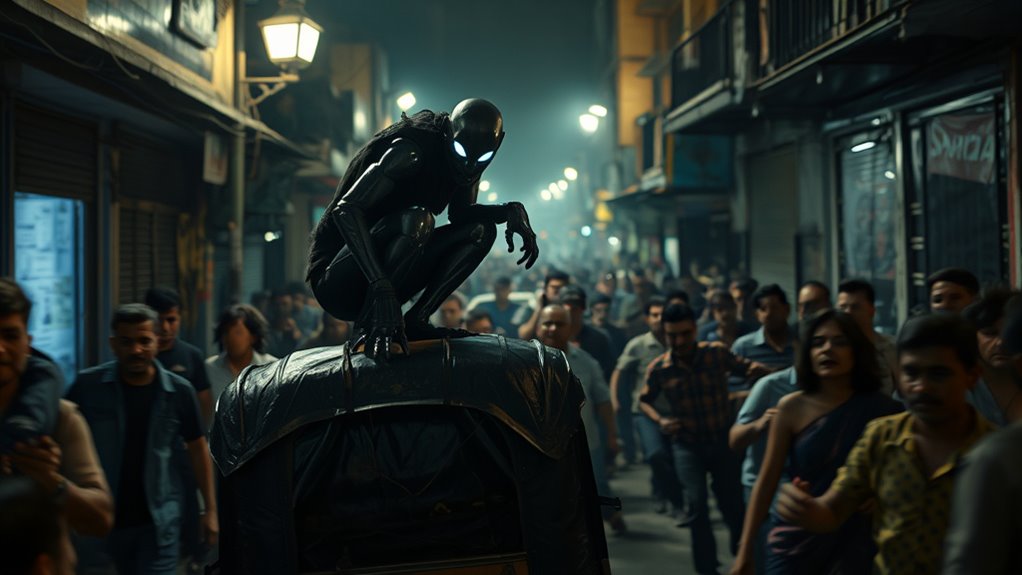
Have you heard about the Monkey Man of Delhi? This mysterious figure became the center of urban legends that spread like wildfire across the city. Stories described a strange, ape-like creature that supposedly prowled the streets at night, attacking or terrifying residents. These tales fueled fears and created an atmosphere of paranoia, especially among those living in densely populated neighborhoods. The media played a significant role, amplifying reports and sensationalizing sightings, which only intensified the panic. But beyond the fear and stories, it’s worth considering the psychological impact such urban legends have on communities. When people start to believe in a myth, it can lead to collective anxiety, causing individuals to panic even when there’s no real threat. The fear becomes contagious, making it difficult for residents to distinguish between fact and fiction. As reports of sightings increased, so did the number of people who became enthusiastic or even paranoid, avoiding certain areas or staying indoors at night.
This wave of hysteria wasn’t just fueled by individual reports but was magnified by media coverage that often sensationalized the story. News outlets, passionate for readership and viewership, sometimes exaggerated the details or reported sightings without thorough verification. This creates a feedback loop: more reports lead to more media coverage, which then heightens public fear. As the story grew, some residents even claimed to have seen the Monkey Man themselves, adding layers to the urban legend. This, in turn, reinforced the psychological impact on the community, making the myth feel more real and immediate. People started to see shadows as the creature, hear noises that might be its footsteps, and become hyper-alert to any strange movement at night. Such heightened alertness can cause real anxiety and sleep disturbances, impacting mental health and daily routines. Additionally, the media’s role in shaping perceptions underscores how media sensationalism can influence collective beliefs and fears.
The fear surrounding the Monkey Man of Delhi illustrates how urban legends can shape collective consciousness. While there may never have been a real creature lurking in the shadows, the psychological impact lingers. It shows how stories, media, and fear intertwine, creating a powerful force that influences behavior and perceptions. Even after the sightings stopped, the myth left a lasting mark on the community’s psyche. The Monkey Man remains a reminder of how urban legends can escalate into mass panic, demonstrating the profound influence media and collective belief have on our mental well-being. It’s a compelling example of how myth-making can turn into a shared experience that leaves a lasting impression, long after the facts fade away.
Top picks for "monkey delhi mass"
As an affiliate, we earn on qualifying purchases.
Frequently Asked Questions
Was the Monkey Man Ever Officially Identified or Caught?
You might wonder if the Monkey Man was ever officially identified or caught. As of now, there’s no official identification, and the police investigation remains inconclusive. Despite numerous sightings and widespread panic, authorities never found concrete proof or a suspect. The mystery persists, leaving many to speculate whether the Monkey Man was real or just a urban legend. Your best bet is to stay cautious and follow official updates.
How Did Social Media Influence the Panic Surrounding the Monkey Man?
You see how viral rumors spread like wildfire, turning a simple sighting into chaos. Social media amplifies every whisper, making the monkey man seem more terrifying with each share. Images and videos flood your feed, heightening fears and fueling mass panic. Social amplification transforms a fleeting rumor into a nationwide hysteria, blurring reality and myth. You can’t help but feel overwhelmed as the digital world fuels the frenzy.
Were There Any Similar Incidents in Other Indian Cities?
Yes, urban legends like the “Churela” in Kolkata and similar tales in Mumbai and Bangalore have caused local panic. Media influence amplifies these incidents, spreading fear and misinformation quickly. When these stories surface, you might notice heightened anxiety and rumors spreading rapidly, often fueled by social media. These incidents show how media can turn urban legends into widespread panics, affecting communities across different Indian cities.
What Psychological Effects Did the Panic Have on Delhi Residents?
You felt a surge of collective anxiety during the mass hysteria, which left many residents paranoid and fearful. The panic caused sleep disruptions, heightened stress, and mistrust among neighbors. You might have even experienced strange behaviors or hesitated to go out at night. This collective anxiety fueled rumors and made it harder to distinguish reality from fear, deepening the sense of chaos and vulnerability in your community.
Did the Monkey Man Myth Impact Local Police Policies or Procedures?
The Monkey Man myth led to significant police response and policy changes in Delhi. Authorities increased patrols and implemented stricter surveillance to address public fears. They also improved communication strategies to prevent misinformation and manage mass panic better. You’ll notice these policy shifts aim to boost public safety and trust, ensuring the police are more prepared for similar incidents. This experience directly influenced how law enforcement handles urban legends and mass hysteria.
Conclusion
You realize that the Monkey Man of Delhi wasn’t a monster, but a reflection of mass hysteria fueled by media frenzy. What seemed like an unstoppable creature turned out to be a mere illusion, yet it gripped the city’s collective imagination like a wildfire. Sometimes, fear can be so powerful it transforms ordinary events into legendary tales, proving that even the wildest stories can shape a city’s history — and your perception of reality.
Fall Picks
fall essentials
As an affiliate, we earn on qualifying purchases.