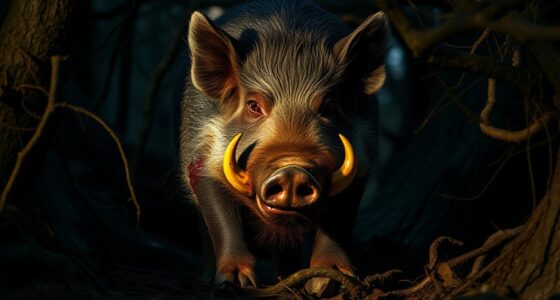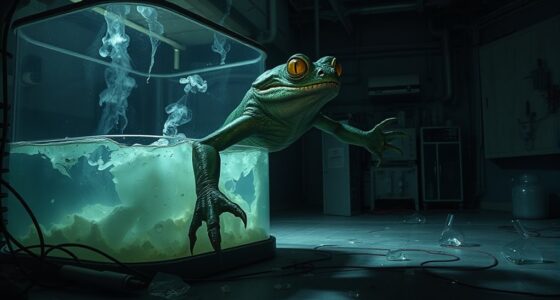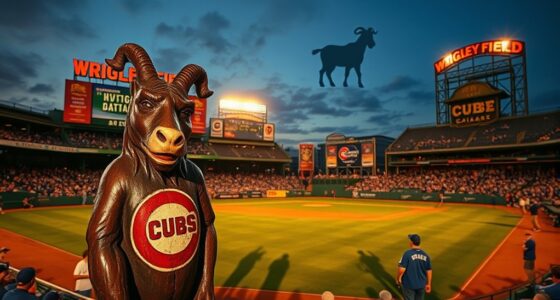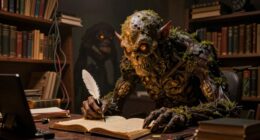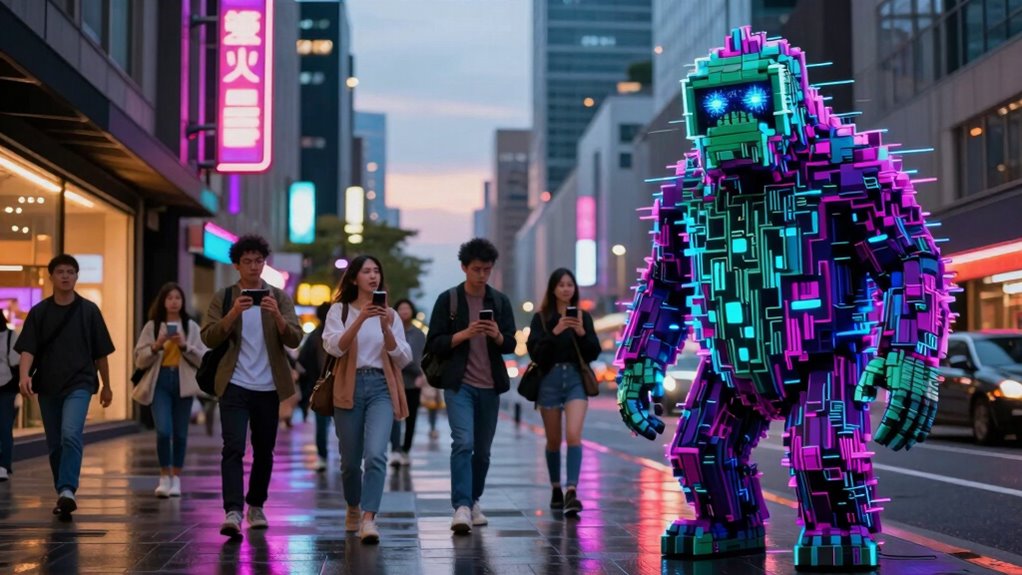

You see how internet culture keeps reinventing old monster tropes by turning them into funny, relatable memes and user-generated content. Fans remix classic images with pop culture, jokes, and current events, making monsters less scary and more entertaining. Through videos, memes, and online communities, these creatures stay fresh and relevant. This participatory approach transforms fearsome legends into shared jokes and creative projects that evolve constantly—stay with us to explore how this digital remixing keeps monsters alive and kicking.

Get school and study supplies delivered free — and shop member deals
- Fast, free delivery on millions of items
- Access to Prime Big Deal Days deals on October 6–7
- Prime Video, Amazon Music and more included
Key Takeaways
- Viral memes remix traditional monsters with pop culture, humor, and current events, making them more relatable and less frightening.
- User-generated content like memes and videos actively reshape monster tropes, encouraging ongoing cultural evolution.
- Digital platforms facilitate rapid sharing and reinterpretation, keeping monsters relevant in contemporary online conversations.
- Participatory culture allows fans to creatively engage with monsters, blending horror elements with humor and personal experiences.
- Reinvented monsters serve as shared cultural symbols, fostering community and continuous renewal within internet culture.
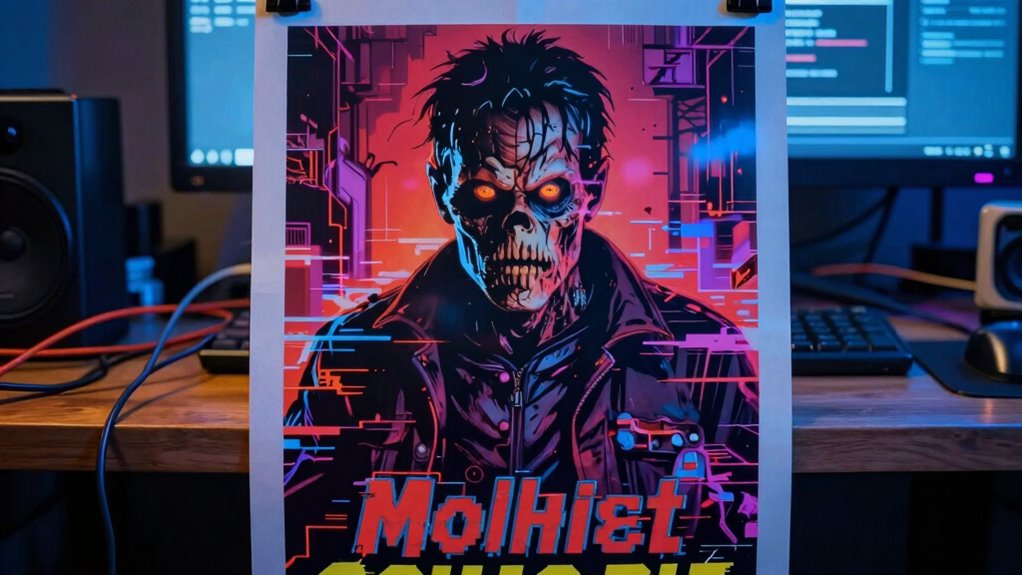
As internet culture continues to evolve, it constantly reimagines classic monster tropes, giving them new life in digital spaces. You might notice how traditional monsters like vampires, werewolves, or ghosts are transformed through viral memes and user-generated content, making them feel fresh and relevant. You can see how these new interpretations foster a sense of participatory culture, where fans actively contribute their own creative spins. Instead of the old horror movies or folklore, these monsters now appear in funny videos, parody images, and interactive online challenges. This shift allows you to engage with these creatures in ways that are both entertaining and relatable, breaking down their terrifying reputation and replacing it with humor and creativity.
Internet culture reimagines classic monsters through memes and user content, making them fun, relatable, and part of online humor.
Viral memes play a huge role in this reinvention. They take familiar monster images and remix them with pop culture references, internet slang, or current events. For example, a vampire might be depicted sipping a coffee instead of blood, or a werewolf might be shown howling at a smartphone rather than the moon. These memes spread rapidly because they’re easy to share and understand, making the monsters feel less like frightening legends and more like part of everyday conversation. You might find yourself scrolling through social feeds and stumbling upon countless hilarious takes on these old monsters, each one adding a new layer of personality or humor to the myth. Additionally, the participatory culture surrounding these memes encourages fans to actively contribute their own creative spins, further blurring the lines between horror and humor. This user engagement helps deepen the connection between audiences and these reimagined creatures, fostering ongoing dialogue and creativity. The digital landscape enables rapid dissemination of these creative works, amplifying their reach and influence.
User-generated content fuels this trend even further. People aren’t just passive consumers anymore; they actively participate in reshaping these monster tropes. You can create your own memes, edit images, or even craft short videos that put your personal spin on classic monsters. This participatory culture keeps the monsters evolving, blending traditional horror elements with modern, relatable themes. As a result, the monsters become more accessible, often embodying traits that resonate with your experiences or humor. This process also fosters a sense of community, where fans share their creations, critique others, and collaborate on new interpretations. The digital landscape allows for viral dissemination, ensuring that these creative reinterpretations reach a broad audience and continue to evolve. Furthermore, the rapid spread of these reinterpretations demonstrates how internet platforms facilitate the ongoing transformation of cultural symbols.
Through these creative outlets, old monster tropes become part of internet culture’s ongoing dialogue. They’re no longer static symbols of fear but versatile characters that adapt to new contexts and audiences. You see them in memes, TikTok videos, and online forums, constantly reshaped by collective imagination. The collaborative nature of this process helps keep these monsters fresh and engaging over time. The digital landscape allows you and others to participate in this cycle of reinvention, ensuring that these monsters stay relevant and engaging. In brief, internet culture breathes new life into ancient legends, turning them into shared jokes, creative projects, and cultural touchstones that reflect the quirky, dynamic spirit of the online world.
As an affiliate, we earn on qualifying purchases.
Frequently Asked Questions
How Do Memes Influence Monster Trope Reinvention?
Memes influence monster trope reinvention by remixing monster symbolism with current cultural symbolism, making old monsters feel fresh and relevant. You see this when memes reframe monsters like vampires or werewolves to reflect modern fears, values, or humor. This process allows you to engage with familiar symbols in new ways, deepening their cultural symbolism and keeping these classic tropes alive in the collective digital consciousness.
What Roles Do Fan Theories Play in Evolving Monsters?
Fan theories fuel the evolution of monsters by encouraging fan engagement and narrative speculation. For example, you might imagine a theory where Godzilla is a guardian rather than a destructive force, sparking new interpretations. These theories challenge official narratives, inspiring creators to adapt and diversify monster stories. Your participation in this process helps keep monsters fresh, relevant, and continuously reimagined within internet culture’s dynamic landscape.
How Does Social Media Accelerate Monster Trope Changes?
Social media accelerates monster trope changes by spreading viral trends and ideas rapidly. You see influencers and fans sharing creative reinterpretations, making old monsters feel fresh and relevant. As these ideas go viral, they influence broader audiences, sparking new stories and variations. This constant cycle of sharing and remixing keeps monster tropes evolving, ensuring they stay exciting and engaging in today’s fast-paced digital culture.
Are There Specific Platforms Known for Innovating Monster Tropes?
You’ll find TikTok and Twitter at the forefront of monster trope innovation, ironically driven by viral challenges and meme templates. These platforms turn old monsters into fresh, relatable icons, often through humorous twists. As you scroll, you’ll see how creators remix classic fears into meme-worthy moments, constantly reinventing what monsters mean today. It’s a playful, unpredictable cycle where old tropes get a new life, all thanks to social media’s rapid, viral culture.
How Do Cross-Genre Mashups Affect Monster Reinterpretations?
Cross-genre mashups breathe new life into monster reinterpretations by blending urban legends and folklore adaptations with diverse genres. You see this in stories that combine horror with sci-fi or comedy, creating fresh perspectives. This fusion challenges traditional monster tropes, making them more relatable or unpredictable. As a result, audiences become more engaged, and creators can explore new themes, keeping old monsters exciting and relevant in the ever-evolving landscape of internet culture.
digital drawing tablet for meme editing
As an affiliate, we earn on qualifying purchases.
As an affiliate, we earn on qualifying purchases.
Conclusion
You see, internet culture has a knack for breathing new life into classic monster tropes, making them fresh and relatable for today’s audience. By remixing old stories with modern twists, it keeps these legends alive and evolving. Remember, “the more things change, the more they stay the same,” but it’s how we reinterpret them that keeps the magic going. Embrace these reimaginings—they remind us that even monsters can grow and adapt with us.
As an affiliate, we earn on qualifying purchases.
As an affiliate, we earn on qualifying purchases.
Halloween Picks
halloween
As an affiliate, we earn on qualifying purchases.