TL;DR
Listen free for 30 days with Audible
Thousands of audiobooks and originals — cancel anytime.
Start your free trialAs an affiliate, we earn on qualifying purchases.
Oregon is on track for its worst wildfire season ever, with record-breaking fire activity and expanding areas of destruction. Authorities warn that conditions could worsen as drought and heat persist.
Oregon is heading toward its worst wildfire season ever, with fire officials reporting a significant increase in wildfire activity compared to previous years. The season has already seen hundreds of fires burning across the state, threatening communities, infrastructure, and natural ecosystems. This development underscores the escalating impact of climate change and drought conditions in the region, making wildfire management more urgent than ever.
According to the Oregon Department of Forestry and fire agencies, as of late August 2023, there have been over 1,200 reported wildfires statewide, burning more than 400,000 acres. This surpasses the total burned in the previous record year of 2020, which saw approximately 500,000 acres affected. Firefighters are actively battling multiple large blazes, including the Cedar Creek Fire and the McKinney Fire, which have expanded rapidly due to dry conditions and high temperatures.
State officials have declared a state of emergency and activated additional firefighting resources, including federal assistance. Experts attribute the severity to persistent drought, elevated temperatures, and dry vegetation, which create conditions conducive to rapid fire spread. The Oregon Office of Emergency Management warns that fire activity could increase as weather forecasts predict continued heatwaves and low humidity.
Implications for Oregon’s Communities and Ecosystems
This level of wildfire activity presents challenges for public safety, with residents in affected areas experiencing evacuations or warnings. The fires pose risks to homes, infrastructure, and local economies, especially in rural regions. Ecologically, the fires impact forests, wildlife habitats, and water quality, with potential long-term effects on regional biodiversity. The increasing frequency and severity of wildfires highlight the importance of preparedness and resilience strategies.

SentrySafe Black Fireproof and Waterproof Safe, File Folder and Document Box with Key Lock, 14.3 x 15.5 x 13.5 inches, HD4100
- Fire and Water Protection: UL and ETL verified for safety
- Spacious Interior: Fits hanging file folders and documents
- Key Lock Security: Includes two keys for secure access
As an affiliate, we earn on qualifying purchases.
As an affiliate, we earn on qualifying purchases.
Recent Trends and Factors Driving the Record Fires
Oregon’s wildfire season has traditionally peaked in late summer, but recent years have seen increased fire activity linked to climate change-related droughts and heatwaves. The 2020 season previously held the record for the most acres burned, but 2023 is surpassing those figures early in the season. Prolonged drought conditions have dried out vegetation, increasing its combustibility. Additionally, earlier snowmelt and higher temperatures have extended the fire season, complicating firefighting efforts.
State officials have emphasized that these conditions are consistent with broader climate trends, which are projected to worsen in the coming decades. Fire suppression efforts are challenged by the scale and intensity of current fires, with some areas experiencing multiple blazes simultaneously.
“The 2023 wildfire season is shaping up to be the most severe on record, with fire activity surpassing previous years at an unprecedented rate.”
— Oregon State Fire Marshal’s Office
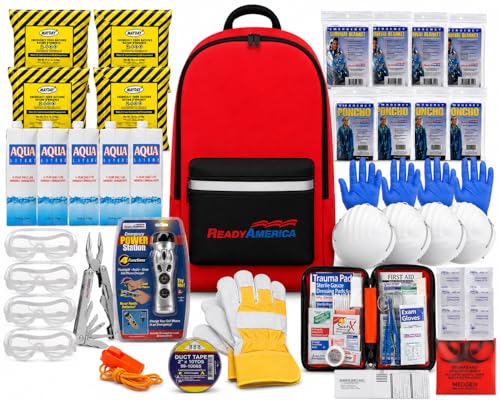
Ready America 72 Hour Deluxe Emergency Kit, 4-Person 3-Day Backpack, First Aid Kit, Survival Blanket, Power Station, Emergency Food, Portable Disaster Preparedness Go-Bag for Earthquake, Fire, Flood
- Supports 4 People for 3 Days: Complete emergency kit for four persons
- Includes Emergency Food & Water: Four 2400 calorie food bars and 4 water cartons
- Comprehensive First Aid Supplies: 107-piece first aid kit with safety gear
As an affiliate, we earn on qualifying purchases.
As an affiliate, we earn on qualifying purchases.
Uncertainties About Future Fire Activity and Impact
While current data confirms that 2023 is on track to be the worst wildfire season in Oregon’s history, it remains uncertain how much more the season will escalate. Weather forecasts predict continued heatwaves, but the exact extent of future fire activity and the potential for new large-scale fires are still uncertain. Additionally, the long-term ecological and economic impacts are difficult to quantify at this stage.

BOCOMAL FR Shirts for Summer Breathable Vented Mesh 6oz Fire Resistant Crew
- Breathable Vented Design: Mesh fabric and vented underarms for hot days
- Comfortable Fit: Prewashed, preshrunk, wrinkle-free for easy maintenance
- Fire Resistant Safety: Meets NFPA2112 and NFPA70E standards for flame resistance
As an affiliate, we earn on qualifying purchases.
As an affiliate, we earn on qualifying purchases.
Next Steps in Firefighting and Climate Adaptation Efforts
Fire agencies plan to intensify suppression efforts, including deploying additional resources from neighboring states and the federal government. Officials are also focusing on community evacuation planning and public safety messaging. Long-term, Oregon is expected to invest in fire prevention measures, such as controlled burns and forest management, while addressing climate change to reduce future wildfire risks. The fire season is expected to continue through late fall, with possible additional large fires.

AmzBoom 2-Pack Fire Extinguisher for Home, Kitchen, Car, and Grill with Mounting Bracket– Extinguishing Spray, Compact A, B, C, K – Eco-Friendly, Prevents Reignition.
- Easy Activation: Press, aim, and spray quickly
- Includes Mounting Brackets: Two brackets for quick access
- 8-in-1 Fire Protection: Handles wood, oil, gasoline, batteries
As an affiliate, we earn on qualifying purchases.
As an affiliate, we earn on qualifying purchases.
Key Questions
How does this wildfire season compare to previous years?
2023 is on track to surpass previous records for acres burned and fire activity, making it the worst wildfire season in Oregon’s history.
What areas are most at risk from the current fires?
Rural communities near forested regions, particularly in southern and eastern Oregon, are most at risk, with several towns under evacuation orders.
What are the main causes of the increased wildfire activity?
Prolonged drought, high temperatures, and dry vegetation are the primary environmental factors fueling the fires.
What is being done to combat the fires?
Firefighters are actively battling multiple large fires, with additional resources from federal and neighboring agencies, along with emergency evacuations and preparedness measures.
Will climate change be addressed as part of wildfire mitigation?
Yes, officials acknowledge that climate change contributes to the severity and are planning longer-term strategies to improve resilience and reduce future risks.
Source: google-trends
College move-in / dorm season Picks
dorm essentials
As an affiliate, we earn on qualifying purchases.