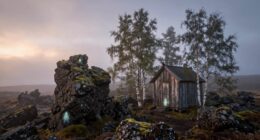
The Beast of Bladenboro and other vampire creatures have long fascinated people by embodying primal fears of bloodthirsty predators lurking in darkness. These legends portray nocturnal beings that hunt in shadows, feeding on blood or life energy, symbolizing mystery and dread. Stories from different regions, like Bladenboro, forge a mythic connection between folklore and real-world environments filled with swampy or wooded landscapes. If you keep exploring, you’ll uncover more about these intriguing legends and their hidden truths.
Listen free for 30 days with Audible
Thousands of audiobooks and originals — cancel anytime.
As an affiliate, we earn on qualifying purchases.
Key Takeaways
- The Beast of Bladenboro is a legendary creature from North Carolina folklore, often described as a vampire-like predator attacking animals and humans.
- Vampire creatures embody nocturnal predators that feed on blood, symbolizing primal fears and the mysterious allure of darkness.
- Legends like the Beast of Bladenboro blend myth and real-world fears, with sightings involving savage attacks in swampy or wooded areas.
- The concept of blood-drinking vampires is tied to themes of life, death, and energy, often linked to metaphysical ideas of vibrational energy fields.
- Similar vampire creatures appear worldwide, showcasing a widespread cultural fascination with bloodthirsty predators lurking in shadows.

Vampire creatures have fascinated cultures worldwide for centuries, embodying both fear and allure. You’ve probably heard stories about blood drinkers lurking in the shadows, feeding under the cover of night. These beings are often depicted as nocturnal predators, thriving in darkness and using stealth to hunt their prey. Their reputation as blood drinkers fuels the mystery and dread surrounding them, making them a captivating subject in folklore and popular culture alike.
As a nocturnal predator, the vampire’s activity is confined mainly to the night, which adds to their mystique. You might imagine them gliding silently through moonlit streets or dense forests, watching their targets from the shadows. This reliance on darkness isn’t just for concealment; it’s intrinsic to their very nature. Their sensitivity to sunlight can be deadly, so they’ve become masters of hiding in the dark, waiting patiently for the right moment to strike. It’s this instinctual nocturnal behavior that makes them such effective predators, able to blend into the night and avoid detection.
The idea of blood drinkers isn’t new; it’s deeply rooted in legend. These creatures are often portrayed as immortal or cursed beings, sustained only by consuming the life essence of others. This act of blood-drinking symbolizes a profound connection to life and death, emphasizing their monstrous nature. You might picture a vampire sinking its fangs into the neck of an unwary victim, feeding to survive or perhaps out of an insatiable hunger. Their ability to drain life force through blood is both terrifying and fascinating, embodying a primal fear of losing control and being preyed upon.
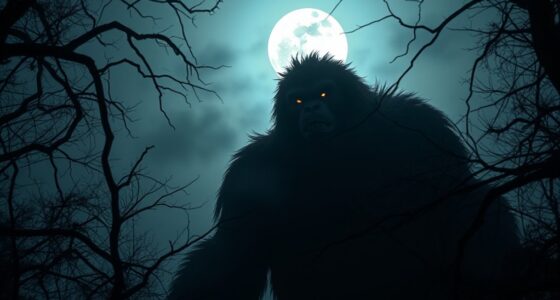
In stories like that of the Beast of Bladenboro, the narrative of blood drinkers takes on a local legend twist. It depicts a creature that prowled the swamps and woods, attacking animals and even humans, leaving behind a trail of fear. Such stories reinforce the idea of vampires as predators lurking in familiar landscapes, blending myth with real-world fears. You may feel a chill imagining a creature that exists in the realm between myth and reality, a predator that embodies the primal fear of being hunted in the darkness. Additionally, the concept of vibrational energy plays a role in understanding how such entities might influence or be influenced by their environment, according to metaphysical beliefs.

COPPERTIST.WU Crimson Vampire Figurine Statue Ornament Craft Collection for Home Living Room Office (Crimson Vampire w Accessory)
- Inspired by Bram Stoker’s Dracula: Elegant dark noble vampire design
- Magnetic connection system: Disassemble and reassemble parts easily
- High-quality materials: Brass, bronze, copper, and white bronze
As an affiliate, we earn on qualifying purchases.
As an affiliate, we earn on qualifying purchases.
Frequently Asked Questions
Are There Any Modern Sightings of the Beast of Bladenboro?
Yes, modern eyewitnesses have reported sightings of the Beast of Bladenboro, fueling ongoing cryptid folklore. These accounts often describe a large, mysterious creature lurking near the wetlands, sparking curiosity and fear. While some skeptics dismiss these reports, many believe the creature remains elusive, continuing to inspire local legends. If you’re interested in cryptid folklore, keep an eye out for recent sightings, as they suggest the beast might still be out there.
What Local Legends Surround Vampire Creatures in Other Regions?
You’ll find that many regions have compelling vampire legends rooted in cryptid folklore and supernatural myths. For instance, in Eastern Europe, tales of the vampire are so persistent that around 80% of local folklore involves blood-sucking entities. In some Latin American cultures, legends speak of blood-drinking spirits called chupacabras. These stories often reflect cultural fears and history, keeping the myths alive and thriving across different regions.
Have Any Scientific Studies Been Conducted on Vampire Creature Sightings?
Yes, some scientific studies have explored vampire sightings through cryptid investigation, aiming to understand vampire biology. Researchers analyze eyewitness reports, physical evidence, and folklore to determine whether these creatures could be based on real animals or phenomena. While no conclusive proof exists, these investigations help you approach vampire legends critically, blending folklore with scientific inquiry to uncover the truth behind mysterious sightings and better understand their origins.
How Do Vampire Legends Vary Across Different Cultures?
Vampire legends vary widely across cultures, reflecting different mythical symbolism and cultural adaptations. In Eastern Europe, they’re often seen as revenants, while in Southeast Asia, similar creatures embody ancestral spirits. These stories adapt to local beliefs, fears, and social norms, shaping unique vampire traits. You’ll find that each culture’s myth highlights specific fears or values, creating diverse vampire legends that evolve with their societies’ histories and worldviews.
Could the Beast of Bladenboro Be Explained by Natural Predators?
Like a shadow lurking in the dark, natural predator theories might explain the Beast of Bladenboro. You could consider environmental factors, such as changes in prey populations or habitat, which may have led to unusual animal behavior. These predators, like wolves or large cats, might have been mistaken for something supernatural. While intriguing, these natural explanations require more evidence before fully dismissing other possibilities.
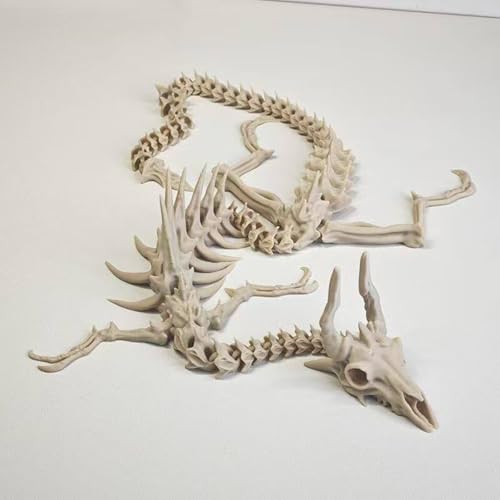
3D Printed Articulated Dragon Skeleton, Unpainted PLA Mythical Creature Replica with Movable Joints, Fantasy Collectible Decor for Aquarium & Display (2 Colors & 2 Sizes) (White, 17.72in (45cm))
- Fully Articulated Joints: Customizable pose with movable joints
- Two Finish Options: Unpainted white or glow-in-the-dark
- Multiple Sizes Available: 17.72in or 23.62in length
As an affiliate, we earn on qualifying purchases.
As an affiliate, we earn on qualifying purchases.
Conclusion
As you reflect on the tales of Bladenboro and other vampire legends, you realize these stories are like whispered secrets of the night, hinting at mysteries beyond everyday understanding. They remind you that sometimes, the most intriguing creatures are the ones lurking just beyond the edge of the known, inviting your imagination to dance with shadows. In the end, these legends serve as gentle reminders that the unknown can be both enthralling and a little mischievous.

something different Vampire Tears Black Candles – Set of 4 Bleeding Candles – Gothic Rituals Halloween
- Set of 4 Bleeding Candles: Black with red wax core that oozes blood
- Gothic & Dramatic Design: Ideal for Halloween, vampire parties, and rituals
- Realistic Bleeding Effect: Creates a spooky, bleeding appearance when lit
As an affiliate, we earn on qualifying purchases.
As an affiliate, we earn on qualifying purchases.
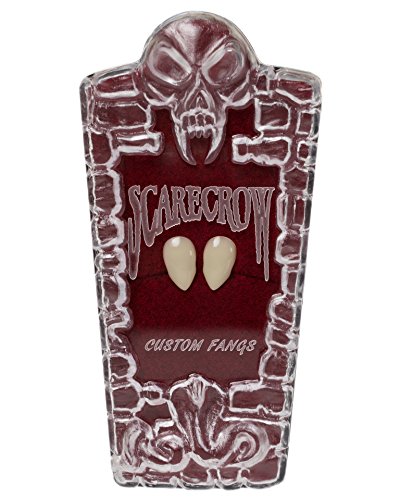
Scarecrow Small Deluxe Custom Fangs (Length 13mm)
- Molding kit included: Quick and easy to mold
- Suitable for small teeth: Subtle, discreet design
- Reusable clip-on fit: Easy to wear and remove
As an affiliate, we earn on qualifying purchases.
As an affiliate, we earn on qualifying purchases.
Summer Picks
summer essentials
As an affiliate, we earn on qualifying purchases.