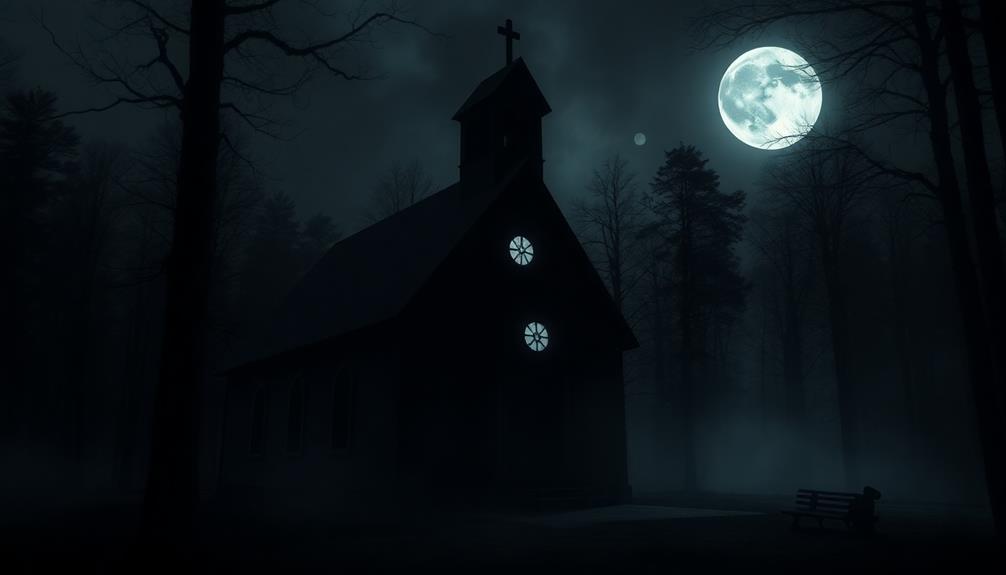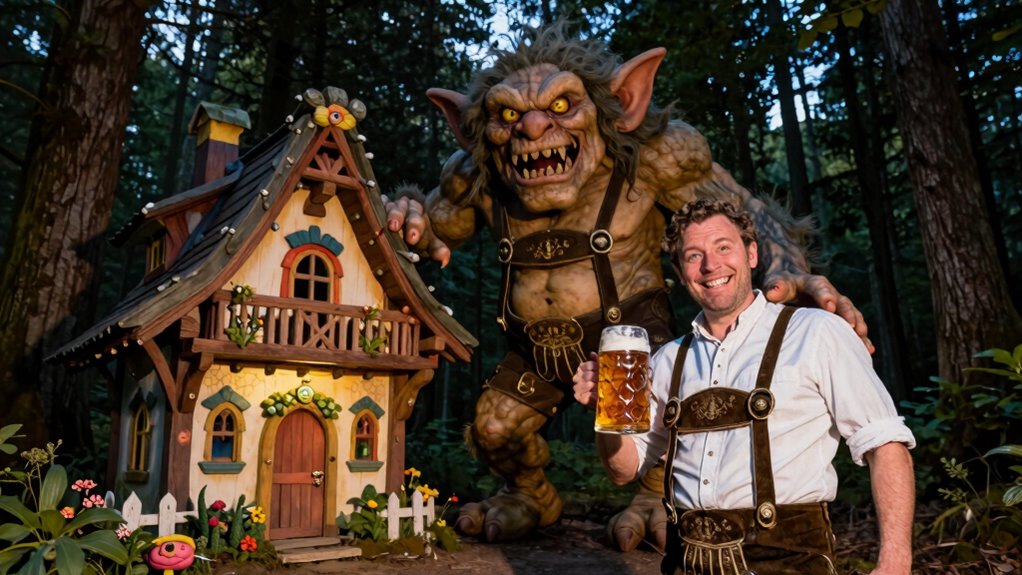

German folklore balances terror and comedy by featuring mythical creatures that symbolize both fears and humorous traits. These beings warn of dangers, like Nachtkrapp or Kobold, serving as tricksters or omens, yet also often display human flaws or comic aspects. This blend helps communities confront their fears with resilience, softening frightening stories with humor. If you keep exploring, you’ll discover how these stories continue to shape cultural perceptions and provide comfort through centuries-old traditions.
Listen free for 30 days with Audible
Thousands of audiobooks and originals — cancel anytime.
As an affiliate, we earn on qualifying purchases.
Key Takeaways
- German folklore features mythical creatures embodying both fears and humorous traits, blending terror with comic relief.
- Stories use humor to soften frightening elements, making them more approachable and easier to confront.
- Oral tradition allows tales to evolve, integrating both terrifying and amusing aspects to reflect societal attitudes.
- Mythical beings often display human flaws or funny traits, balancing their role as warnings with entertainment.
- The duality of fear and humor in stories helps communities cope with natural fears and social norms through engaging narratives.
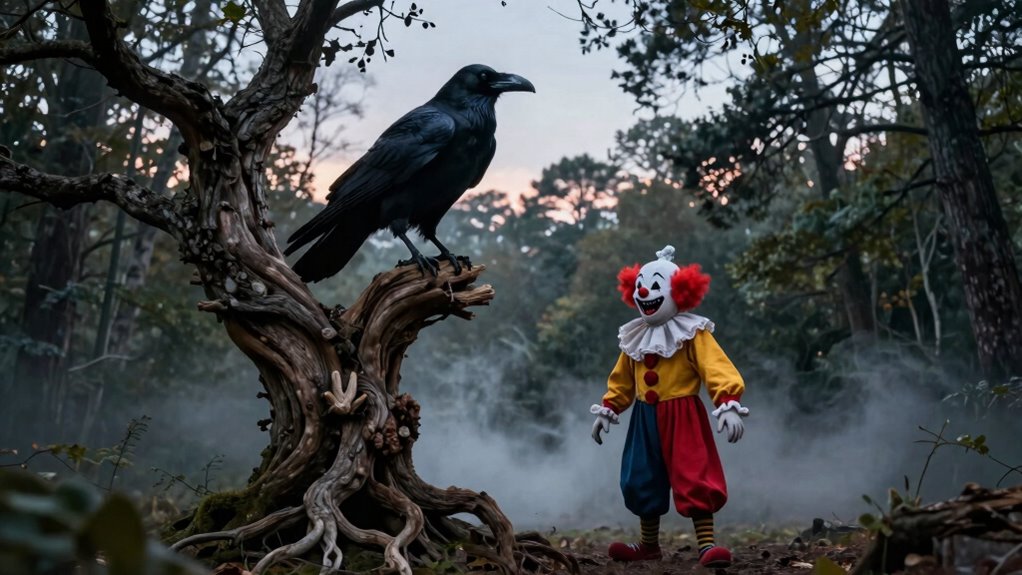
German folklore is a rich tapestry woven with stories that blend terror and comedy, revealing how ancient fears and humor often intertwine to shape cultural identity. You’ll find that many tales feature mythical creatures that embody the mysterious and sometimes frightening aspects of the natural world. These beings—like the Nachtkrapp, a sinister bird, or the Kobold, mischievous household spirits—embody the folklore origins rooted in centuries-old traditions. These stories served as warnings or lessons, but they also offered comic relief, showing that even in the face of danger, humor could prevail.
As you explore these stories, you begin to see how German folklore balances elements of terror with comedy. Mythical creatures often play dual roles: they evoke fear, yet their quirks or foolishness add a humorous dimension. Take the Klabautermann, a water spirit believed to warn sailors of impending storms; it’s both a harbinger of doom and a playful trickster who enjoys teasing sailors. Such characters remind you that the line between fright and laughter is thin, and culturally, these stories help communities cope with the unknown. Folklore origins reveal that many of these tales were passed down orally, evolving over generations to reflect societal fears and humor. They became tools for explaining natural phenomena or social norms while also entertaining audiences with their clever twists. Additionally, oral tradition played a crucial role in the transmission and evolution of these stories, allowing them to adapt and resonate across generations. This storytelling tradition helped preserve the cultural significance of these myths and ensured their survival through countless generations. Moreover, these stories often incorporate symbolic imagery, which deepens their cultural meaning and helps convey complex ideas in memorable ways. The use of vivid imagery also makes these stories more memorable, reinforcing their impact across generations.
You might notice that German folklore embraces the idea that fear can be softened by wit. For instance, tales of the Lorelei—a siren who lures sailors to their doom—are tinged with melodramatic tragedy, yet local stories often include humorous anecdotes about her vanity or her penchant for singing. This juxtaposition highlights how stories of terror are often balanced with humor, preventing fear from becoming overwhelming. The stories serve as a way to confront and diminish the power of fear, making it more approachable. The mix of frightening and funny elements offers a way to confront fears, making them more manageable. It’s a way for communities to process the unknown, turning frightening mythical creatures into characters with human flaws or comic tendencies.
In essence, German folklore doesn’t shy away from the darker aspects of life; instead, it interlaces them with comedic elements, creating stories that educate, entertain, and comfort. Mythical creatures serve as symbols of both terror and humor, rooted in folklore origins that stretch back centuries. Additionally, folklore’s oral tradition played a crucial role in the transmission and evolution of these stories, allowing them to adapt and resonate across generations. The dynamic nature of these tales demonstrates how storytelling functions as a cultural preservation mechanism, keeping traditions alive. This blending of terror and comedy is what gives German stories their enduring charm, encouraging you to see the lighter side of fear while respecting the ancient roots of these tales. It’s a delicate dance that continues to influence how you perceive cultural stories today.
As an affiliate, we earn on qualifying purchases.
Frequently Asked Questions
How Did German Folklore Influence Modern German Culture?
German folklore influences your modern culture through rich folk traditions and storytelling techniques that shape your understanding of identity and history. You see these traditions in festivals, music, and literature, where tales of spirits, legends, and moral lessons persist. These stories teach values and entertain, blending elements of terror and humor. By embracing these storytelling techniques, your culture maintains a unique connection to its past while continuously evolving in contemporary society.
Are There Specific Regions Known for Unique Folklore Stories?
You’ll find that Bavaria’s forests whisper regional legends filled with mystical beings, while Saxony’s folklore variations tell tales of clever tricksters and spirits. The Rhineland’s stories evoke a river’s spirit, symbolizing life and mystery, and the Black Forest hides legends of enchanted woods and mythical creatures. These regions, each with their unique folklore, serve as living symbols of local traditions, inviting you to explore Germany’s rich tapestry of stories.
What Myths Explain the Origins of German Supernatural Creatures?
You learn that myths about supernatural origins explain German mythological creatures like the Kobold, which are said to emerge from underground spirits, or the Nachtkrapp, believed to be haunted birds linked to dark spirits. These stories often reflect local fears and moral lessons, blending terror and humor. You see how these myths give life to supernatural creatures, shaping German folklore with a mix of mystery, humor, and cautionary tales.
How Do German Folklore Tales Differ From Neighboring Countries’?
German folklore tales often emphasize supernatural transformations and rich folk tale symbolism, setting them apart from neighboring countries. You’ll notice darker themes intertwined with humor, reflecting cultural nuances. Unlike some traditions, German stories frequently explore the duality of characters and moral lessons through vivid supernatural imagery. These tales balance terror and comedy, making their folklore uniquely complex, engaging, and deeply rooted in historical and cultural symbolism, which enriches their storytelling tradition.
Are There Contemporary Adaptations of Traditional Folklore Characters?
Yes, you’ll find modern reinterpretations of traditional German folklore characters in popular media. Creators adapt these figures—like the brothers Grimm’s tales or forest spirits—into movies, TV shows, and books, giving them fresh, contemporary twists. These adaptations often blend humor and horror, keeping the balance of terror and comedy alive. By doing so, they make these characters relevant and engaging for today’s audiences, ensuring folklore remains a vibrant part of modern culture.
mythical creature figurines German folklore
As an affiliate, we earn on qualifying purchases.
As an affiliate, we earn on qualifying purchases.
Conclusion
As you delve into German folklore, you’ll find it’s a delicate dance between terror and comedy, like a tightrope walker balancing fear and laughter. These stories, woven with dark shadows and bright sparks, remind us that even in the face of horror, humor can shine through. So, embrace the wild mix—they’re the yin and yang of tradition, turning ancient fears into timeless tales that keep you on the edge of your seat and in stitches at the same time.
folk tales collection German legends
As an affiliate, we earn on qualifying purchases.
As an affiliate, we earn on qualifying purchases.
As an affiliate, we earn on qualifying purchases.
Labor Day sales Picks
labor day deals
As an affiliate, we earn on qualifying purchases.