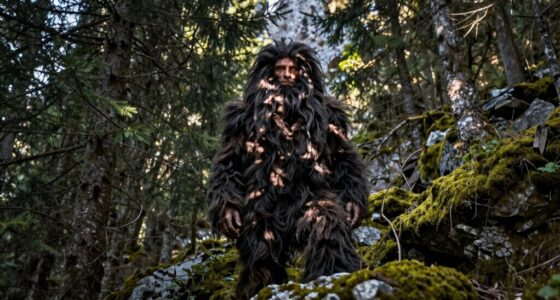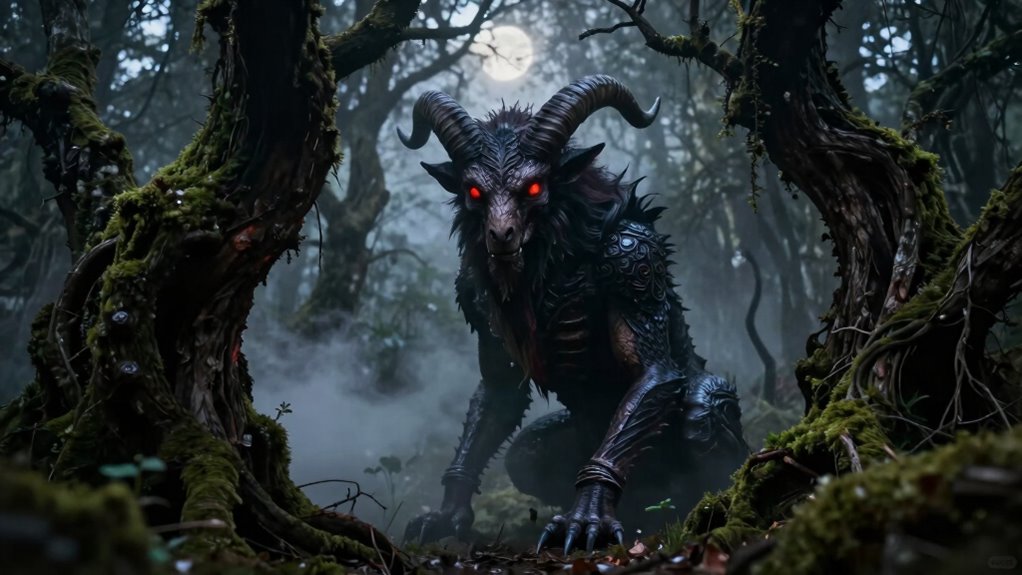

Italian folklore reveals creatures that are both mesmerizing and dark, symbolizing deep fears, morals, and hopes. As you explore these legends, you’ll see how they embody dualities like beauty and malevolence, often acting as warnings or reflections of society’s struggles. Creatures like Melusine or the Lupo Mannaro highlight the tension between civilization and primal instincts. If you keep exploring, you’ll uncover the rich stories behind their enthralling, mysterious origins.
Open a free Amazon Business account
Business pricing, bulk buying and tax-exempt orders.
As an affiliate, we earn on qualifying purchases.
Key Takeaways
- Italian folklore creatures symbolize duality, blending beauty with darkness to reflect complex human emotions and societal fears.
- Mythical beings like Malocchio and Boggart embody cultural morals, warnings, and collective memories.
- Creatures such as Melusine and Lupo Mannaro reveal Italy’s fascination with transformation, primal instincts, and moral boundaries.
- Their mesmerizing yet dark allure highlights Italy’s appreciation for mysterious, enchanting, and emotionally layered folklore.
- These beings preserve regional identities, embody societal tensions, and serve as cultural symbols across generations.
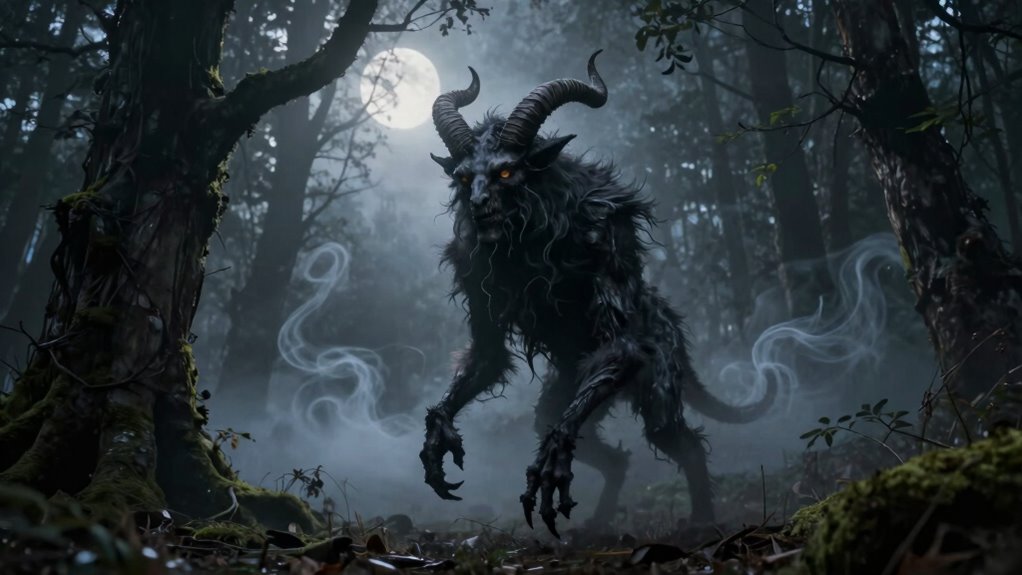
Italy’s rich folklore is filled with creatures that are as mysterious as they are enchanting, blending beauty with darkness in ways that intrigue and unsettle. These beings often have mythical origins rooted deeply in Italy’s history and legends, connecting them to ancient stories passed down through generations. Their origins aren’t just tales for entertainment—they serve as symbols woven into the cultural fabric of the regions that tell them. You might imagine creatures like the Malocchio, the evil eye, representing the power of envy and protection, or the enigmatic Boggart, a spirit embodying fear and mischief. These figures reflect societal fears, morals, and hopes, making them more than mere stories—they’re symbols loaded with cultural significance.
You’ll find that many of Italy’s dark creatures symbolize the duality of human nature—beauty intertwined with malevolence. Take, for example, the Lupo Mannaro, the werewolf of Italian legend. Its mythical origins trace back to ancient fears of transformation and the wild animal within us all. It embodies the struggle between civilization and primal instinct, warning people of the consequences when they stray from social norms. Its cultural symbolism is powerful: a reminder of the thin veneer of civility that masks our animalistic tendencies. Similarly, the fantastic figure of the Melusine, a serpent-woman from Northern Italian tales, symbolizes the mysterious allure of the unknown and the danger lurking beneath beauty. These stories often serve as cautionary tales, warning against temptations or immoral behavior. Moreover, many of these creatures serve as cultural symbols that preserve regional identities and collective memories.
As you explore these creatures, you realize that their beauty isn’t superficial. It’s layered, often mesmerizing, yet tinged with darkness that makes them compelling. They personify the complex emotions and societal tensions of Italy’s history—fear, envy, desire, and morality. Each creature’s mythic origin is steeped in a cultural symbolism that helps communities understand their world and their fears. They serve as allegories, embodying the values, warnings, and hopes of the people who told these stories. In their dark allure, these creatures reveal Italy’s soul—its contradictions, its depths, and its eternal fascination with the mysterious and the beautiful intertwined.

Italian Folktales: The Literary Collection of Two Hundred Classic Tales and Traditional Italian Folklore
As an affiliate, we earn on qualifying purchases.
As an affiliate, we earn on qualifying purchases.
Frequently Asked Questions
Are These Creatures Based on Real Historical Events or Purely Mythological?
These creatures are mostly based on myth versus reality, with some rooted in historical origins. Italian folklore often blends stories that reflect cultural fears, moral lessons, or historical events, but many are exaggerated or symbolic. You’ll find that while some creatures may have real-world inspirations, their supernatural traits are purely mythological, created to teach lessons or entertain, rather than directly based on actual historical events.
How Have These Folklore Creatures Influenced Modern Italian Culture?
You’re swept into a whirlwind where Italian folklore’s dark creatures shape modern culture more than you’d imagine. These legends, amplified in pop culture, inspire movies, art, and fashion, making their way into everyday life. Literary references echo their mysteries, fueling imagination and adding a touch of the supernatural to contemporary Italian identity. Their influence is so profound, it’s as if these creatures breathe life into Italy’s cultural soul, forever haunting and inspiring.
Are There Regional Variations of These Creatures Across Italy?
Yes, there are regional variations of these creatures across Italy. You’ll find that regional storytelling and local traditions shape how these dark creatures are depicted and understood. In Northern Italy, tales may focus on mountain spirits, while Southern legends often involve sea monsters or spirits tied to specific towns. These differences reflect Italy’s diverse cultural landscape, enriching each area’s folklore with unique creatures and stories.
What Symbolism Do These Creatures Represent in Italian Folklore?
These creatures symbolize various aspects of human nature and societal fears in Italian folklore. Their symbolic meanings often reflect themes like protection, vengeance, or moral lessons, serving as warnings or cultural symbols. They hold significant cultural importance, embodying local beliefs and fears that have been passed down through generations. Understanding these creatures helps you grasp Italy’s rich folklore, revealing how symbolic meanings shape cultural identity and collective consciousness across different regions.
How Are These Creatures Depicted in Contemporary Italian Art?
In contemporary Italian art, these creatures are vividly reimagined through modern artistic interpretations that blend traditional folklore with contemporary influences. You’ll see bold imagery, surreal elements, and striking symbolism that emphasize their dark, mystical qualities. Artists draw on contemporary folklore influences to explore themes of mystery, transformation, and cultural identity, giving these ancient beings new life and relevance in today’s visual storytelling.

Safari Ltd. Werewolf Figurine – Detailed 4 Inch Mythical Creature Toy
- Height: 4 inches tall
- Material: Sturdy hard plastic
- Design Details: Dark brown fur, black streaks, sculpted claws, muscles, red eyes
As an affiliate, we earn on qualifying purchases.
As an affiliate, we earn on qualifying purchases.
Conclusion
As you explore Italy’s darkest creatures, you realize they’re like shadows dancing at dusk—mysterious and mesmerizing in their haunting beauty. Their stories whisper secrets from the depths of tradition, inviting you to embrace the enchantment lurking in the unfamiliar. These legends are not just tales; they’re the mirror reflecting Italy’s soul—beautifully strange, endlessly intriguing, and forever entwined with the mysteries of the night. Embrace the darkness; it’s where the true magic begins.
As an affiliate, we earn on qualifying purchases.

Tarot of the Divine: A Deck and Guidebook Inspired by Deities, Folklore, and Fairy Tales from Around the World: Tarot Cards
- Ideal for Tarot Enthusiasts: Perfect for all skill levels
- Secure Packaging: Arrives in protective packaging
- Durable Design: Built for long-term use
As an affiliate, we earn on qualifying purchases.
As an affiliate, we earn on qualifying purchases.
College move-in / dorm season Picks
dorm essentials
As an affiliate, we earn on qualifying purchases.