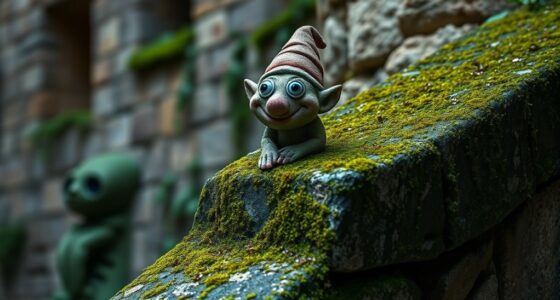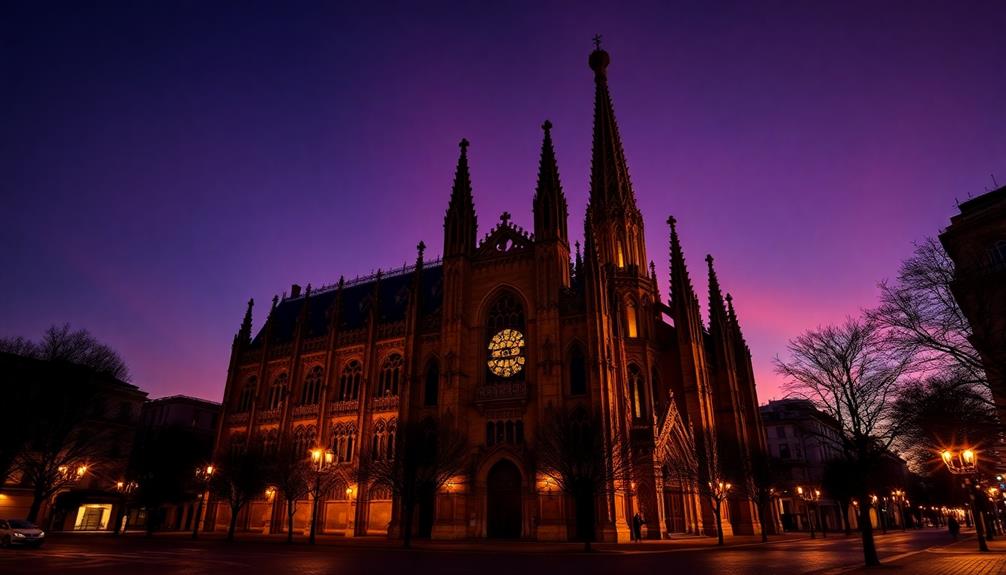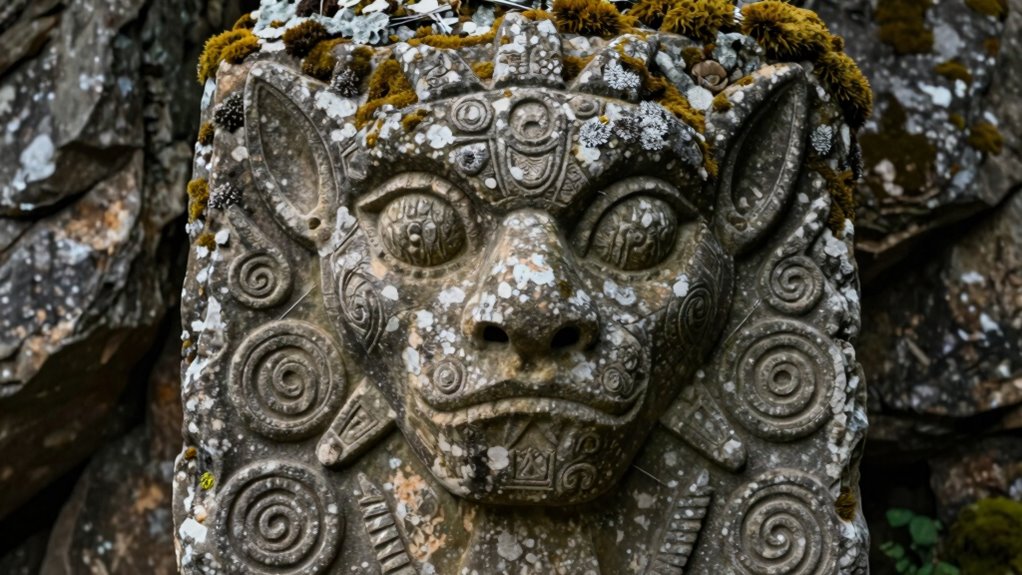

Basque creature lore is distinctive because it reflects the region’s rugged landscapes and deep cultural roots, blending ancient myths with environmental themes that tie strongly to local geography. You’ll find stories about legendary guardians like Basajaun and water spirits like Mari, embodying nature’s power and spiritual significance. These tales serve as moral lessons, emphasizing respect for nature and community values. If you continue exploring, you’ll uncover how these myths shape the region’s unique identity and cultural fabric.
Key Takeaways
- It uniquely integrates regional geography and environmental themes, emphasizing harmony with nature.
- The lore features distinctive mythical beings like Basajaun and Mari, rooted in local landscapes and spirits.
- Folklore blends pre-Christian and later influences, creating layered, culturally rich narratives.
- Stories serve as moral lessons, warnings, and explanations tied closely to regional history and environment.
- The mythology reinforces cultural identity, connecting communities to their land, water, and spiritual heritage.
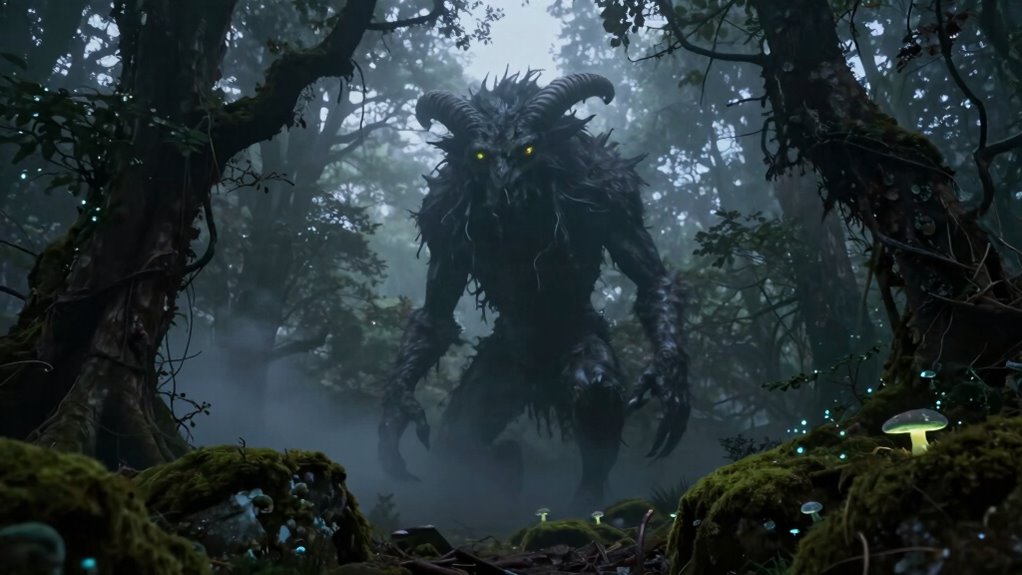
In the rugged landscapes of the Basque Country, folklore is brimming with mysterious creatures that have captivated locals for centuries. These mythical beasts aren’t just stories—they’re woven into the very fabric of Basque culture, reflecting a rich tapestry of history, geography, and tradition. What makes Basque creature lore so distinctive is how these beings embody the region’s unique worldview and environment. The origins of these stories, or folklore origins, trace back through generations, often blending pre-Christian beliefs with later influences, creating a complex and layered mythic landscape. When you explore these tales, you’ll notice they’re not just about monsters or spirits; they serve as moral lessons, warnings, or explanations for natural phenomena.
Basque folklore weaves mysterious creatures into a rich tapestry of history, nature, and cultural morals.
You’ll find that these mythical beasts vary widely, from terrifying monsters to protective spirits. One example is the *Basajaun*, a towering, hairy creature said to dwell deep in the forests. It’s neither purely malevolent nor entirely benevolent but acts as a guardian of the woods and its secrets. Its folklore origins suggest it’s a symbol of the wilderness itself—an ancient protector that reminds you of the power and mystery of nature. Similarly, the *Mari*, a water spirit often associated with lakes and rivers, embodies the spiritual connection the Basque people have with their environment. The stories of the Mari emphasize respect for nature’s forces and the importance of maintaining harmony with the land and water. Additionally, these stories often reflect environmental themes, underscoring the region’s deep-rooted respect for the natural world. The persistence of these stories highlights how folklore can serve as a cultural preservation across generations. These tales also often incorporate elements of local mythology, which enriches their significance and appeal. Moreover, the blending of mythology and regional history helps to reinforce their meaningfulness within the cultural identity. The integration of regional landscape in these stories further illustrates how geography shapes folklore.
What also sets Basque creature lore apart is how it incorporates elements of local mythology with wider European influences, yet maintains a distinct regional flavor. The stories often serve as cautionary tales, warning against greed or disrespecting the land. They also reflect a deep sense of community and identity, reinforcing cultural values through captivating narratives. These tales aren’t just remnants of a bygone era; they’re living stories that continue to shape the way people see their world. When you dive into Basque folklore origins, you’ll see that these creatures are more than myth—they’re symbols of the region’s enduring connection to nature, history, and tradition. The rich diversity of these stories demonstrates the unique mythic landscape of the Basque Country, blending history and legend seamlessly.
Ultimately, what makes Basque creature lore so unique is how it combines mythic beasts with local history, geography, and beliefs. These stories offer you a window into the region’s soul, revealing a landscape filled with wonder, mystery, and a deep respect for the unseen forces that shape life in the Basque Country.

Basque Mythology: Exploring the Gods, Goddesses, and Creatures of Ancient Tales
As an affiliate, we earn on qualifying purchases.
As an affiliate, we earn on qualifying purchases.
Frequently Asked Questions
How Has Basque Geography Influenced Its Creature Legends?
You see, Basque geography shapes its creature legends by highlighting mountain spirits and river guardians that embody the rugged landscape. The mountains are believed to host powerful spirits, reflecting their mystery and grandeur, while rivers are protected by guardians, symbolizing life and flow. This connection to nature makes the lore vivid and rooted in the environment, emphasizing the sacredness of the land and water in Basque culture.
Are Basque Creatures Linked to Ancient Pagan Beliefs?
Ever wonder if Basque creatures stem from ancient pagan beliefs? They absolutely do, blending ancient symbolism with mythical hybrids. These legends often reflect deep spiritual connections to nature and ancestral spirits, creating a powerful link to past beliefs. By embodying symbols and hybrid forms, Basque creatures keep pagan traditions alive, reminding us of a time when myth and spirituality intertwined seamlessly in everyday life.
What Role Do Basque Myths Play in Local Festivals?
You’ll find that Basque myths play a essential role in local festivals, where festive traditions bring these stories to life. You participate in rituals and parades that showcase mythical symbolism, connecting communities with their ancient beliefs. These festivals often feature costumes and performances inspired by legendary creatures, reinforcing cultural identity and preserving the rich tapestry of Basque mythology for generations.
Have Basque Creature Stories Evolved Over Centuries?
Yes, Basque creature stories have evolved over centuries. You’ll notice how legendary beasts transform in folklore traditions, adapting to cultural shifts and local influences. These stories often blend ancient mythologies with new interpretations, keeping the lore vibrant and relevant. As you explore, you’ll see how these creatures reflect societal values and fears, making Basque folklore a dynamic tapestry of tradition that continues to grow and evolve over time.
Are There Recorded Sightings of These Mythical Creatures Today?
You might still catch glimpses of cryptid encounters during foggy nights along Basque coasts or in shadowed mountain forests. Modern sightings of these mythical creatures, whether fleeting or detailed, spark intrigue and debate. While some claim to have seen strange shapes or heard eerie calls, concrete evidence remains elusive. These stories keep the legend alive, blending the mystique of ancient folklore with the thrill of modern mystery.
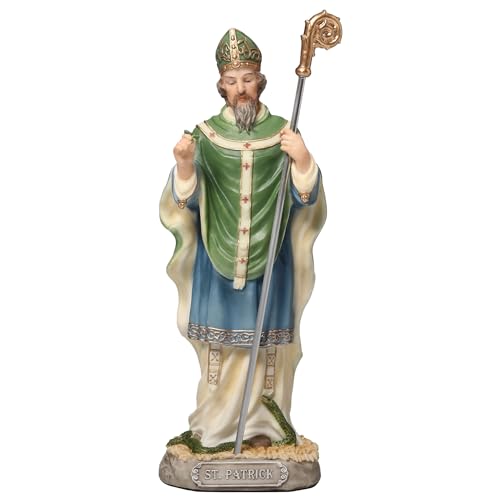
Veronese Design 6 1/4 Inch Saint Patrick of Ireland Polyresin Hand Painted Religious Collectible Figurine
Hand-painted features to highlight intricate details such as facial expressions and clothing patterns.
As an affiliate, we earn on qualifying purchases.
As an affiliate, we earn on qualifying purchases.
Conclusion
In embracing Basque creature lore, you explore a domain where dark legends dance and daring details dominate. The distinctive blend of mythic monsters and mysterious tales creates a fascinating canvas, coloring the culture with curiosity and caution. By exploring these enchanting entities, you reveal an understanding of history’s haunting harmony—highlighting how heritage, horror, and tradition harmonize to make Basque lore uniquely mesmerizing. Truly, it’s a tapestry of tales that tickles the imagination and teases the senses.

Design Toscano Dione the Divine Greek Water Woman Indoor/Outdoor Garden Statue, Medium, 22 inches tall, Cast Stone Resin, Antique Stone Finish
Hand-cast using real crushed stone bonded with high quality designer resin
As an affiliate, we earn on qualifying purchases.
As an affiliate, we earn on qualifying purchases.

Liqueur Izarra – Bayonne Basque Country France – Joute Équestre (Jousting) – Vintage Advertising Poster by Zulla c.1934 – Master Art Print (Unframed) 6in x 9in
Matte-finish art print on smooth heavyweight paper with printed artwork. Unframed.
As an affiliate, we earn on qualifying purchases.
As an affiliate, we earn on qualifying purchases.