![GPT-5.6 Sol Ultra produces proof of the Cycle Double Cover Conjecture [pdf]](https://whatifmonsters.com/wp-content/uploads/2026/07/gpt-5-6-sol-ultra-produces-proof-of-the-cycle-double-cover-conjecture-pdf-featured-200x110.jpg)
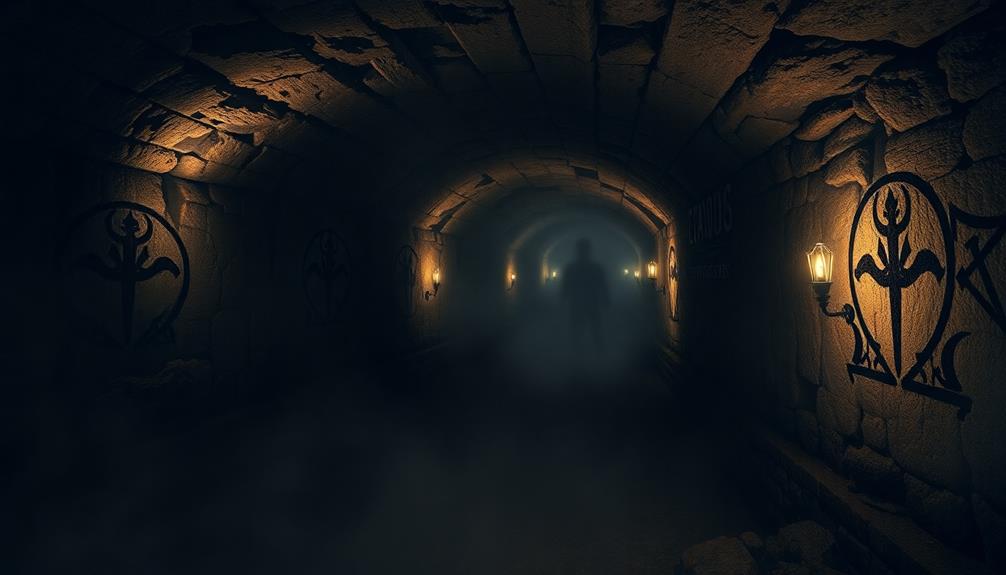
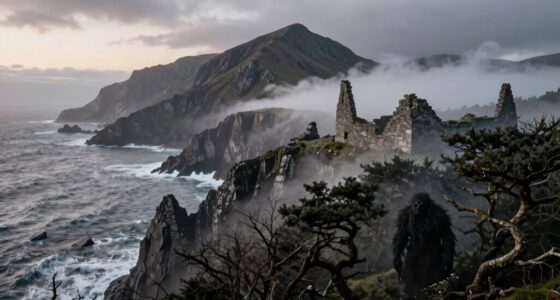
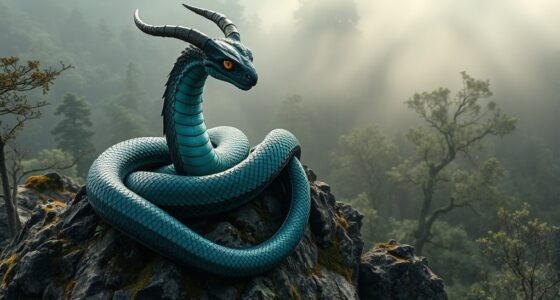
In Spain, at night, you might sense creatures like owls and black cats believed to bring bad luck, blending folklore with your surroundings. The architecture of fear, like gothic cathedrals and haunted ruins, is designed to provoke awe and unease, rooted in centuries of superstition and history. Shadows and eerie structures weave myth into the landscape, creating a haunting atmosphere that echoes Spain’s deep cultural fears. If you keep exploring, you’ll uncover the stories behind these chilling legends.

Prime made for students and young adults
- Fast, free delivery for dorm and study essentials
- Prime Video and Amazon Music included
- Member-only deals
Key Takeaways
- Night creatures like owls and black cats symbolize bad luck and mystery in Spanish folklore, enhancing nocturnal fears.
- Haunted structures such as Gothic cathedrals and medieval ruins embody Spain’s cultural fears and supernatural legends.
- Architectural design in historical sites often evokes supernatural feelings, reinforcing legends of spirits and hauntings.
- Legends and stories of haunted castles and abandoned villages blend myth and history, shaping perceptions of fear at night.
- The nocturnal landscape intertwines architecture and folklore, creating an unsettling environment that amplifies Spain’s supernatural nightscape.
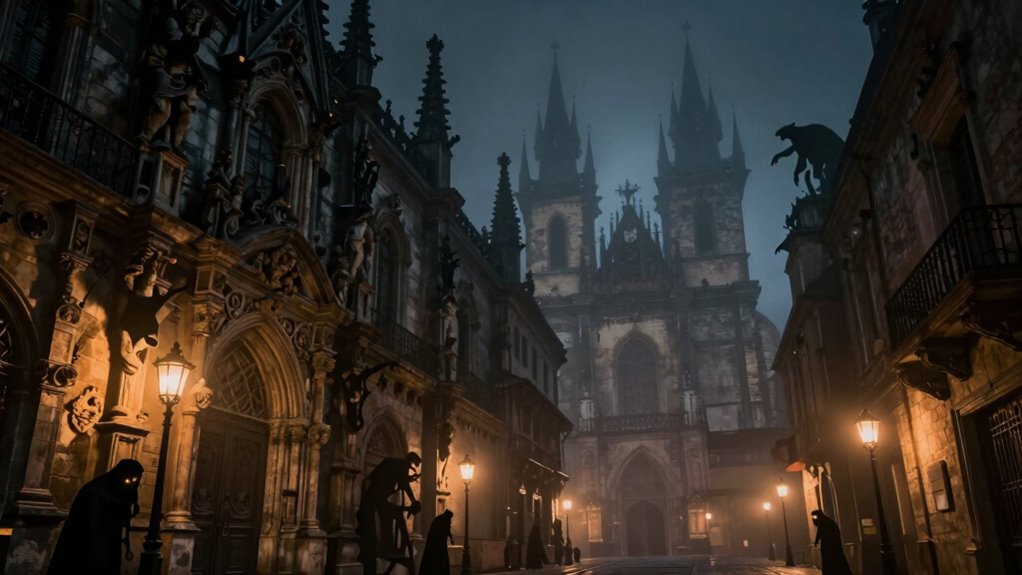
As night falls over Spain, the country transforms into a domain where legendary creatures and haunting architectures come alive, shaping a landscape steeped in fear and fascination. You might find yourself wandering through narrow, winding streets where superstitions’ origins echo in every shadow. These superstitions, rooted in ancient beliefs and folklore, influence how locals perceive the night. For example, the idea that certain animals, like owls or black cats, bring bad luck still lingers, guiding your steps and cautioning you against particular paths after sunset. These deep-seated superstitions aren’t just random stories—they’re woven into Spain’s cultural fabric, passed down through generations, and serve as warnings or explanations for mysterious occurrences.
Urban legends hold a powerful sway in shaping this landscape of fear, blurring the lines between myth and reality. You hear whispers of haunted castles and abandoned villages, stories that have grown more vivid with each retelling. These legends often stem from historical tragedies or unexplained phenomena, reinforced by local storytellers and the community’s collective memory. They influence how you interpret what you see—an old, crumbling church might be haunted by the restless spirits of those who perished there, or a deserted alley could be the resting place of a vengeful ghost. These stories circulate through cafes, festivals, and even in the quiet corners of villages, fueling an atmosphere where the supernatural feels nearby. Additionally, the architecture of fear in Spain amplifies these legends, with gothic cathedrals, medieval fortress walls, and eerie ruins serving as physical reminders of this haunted history. You can’t help but feel a shiver when standing before a cathedral’s towering spires, as if the stones themselves whisper secrets of the past. These structures weren’t built just for worship or defense—they were constructed to keep out or contain the unknown, a deliberate choice rooted in cultural beliefs. Their dark vaults and shadowed corridors host centuries of stories, some of which still echo through the night. Interestingly, the architectural design of these structures was often intentionally crafted to evoke fear or awe, further reinforcing their role in cultural symbolism. The interplay of superstitions’ origins and urban legends’ influence makes every creak, shadow, and flicker of light a piece of a larger, haunting tapestry that defines Spain’s nocturnal identity. Recent archaeological findings have also shed light on the historical context behind many of these constructions, revealing how fear and religion shaped their purpose and design.
Haunted legends and restless spirits echo through Spain’s villages, blending myth and history into a haunting nocturnal tapestry.
In this landscape, fear becomes a shared experience, rooted in history and myth. You’re invited to explore, but be prepared to encounter the ghosts of legends long told—each one shaping Spain’s nightscape into a realm where the supernatural and architectural fear intertwine, creating a mesmerizing, unsettling beauty.
Spanish haunted castle tour guide
As an affiliate, we earn on qualifying purchases.
As an affiliate, we earn on qualifying purchases.
Frequently Asked Questions
How Do Spanish Myths Influence Modern Urban Legends?
You see how Spanish myths shape modern urban legends by blending traditional beliefs with contemporary stories. Urban folklore often features mythical beings from Spanish culture, like spirits or monsters, which inspire new legends. These myths provide a foundation, making stories more vivid and believable. As a result, modern tales echo ancient fears and themes, keeping the cultural heritage alive while adapting to today’s urban environment.
Are There Specific Regions in Spain Known for Haunted Architecture?
You’ll find haunted architecture sprinkled across Spain, especially in regions like Galicia and Castile. Medieval castles here echo with ghostly legends, their stone walls whispering tales of past lives and spectral encounters. These places become living stories, where history’s shadows dance, inviting explorers to step into a world where the past lingers like a ghostly breath. It’s like walking through a haunted tapestry woven with history and myth.
What Role Do Local Festivals Play in Preserving Nocturnal Fears?
Local festivals play a crucial role in preserving nocturnal fears by showcasing superstitious practices and folklore. You participate in these vibrant events, where traditions are passed down, keeping the eerie stories alive. These festivals reinforce cultural identity and guarantee that the fears and legends remain relevant. By actively engaging in such celebrations, you help sustain the rich folklore preservation and maintain the mystique surrounding Spain’s haunted architecture.
How Has Tourism Impacted Spain’s Supernatural Reputation?
Tourism influence has amplified Spain’s supernatural reputation by turning local legends into attractions, boosting superstitious branding. You’ll notice this impact in festivals, haunted tours, and themed events that attract visitors enthusiastic for spooky experiences. As tourism grows, it shapes perceptions, blending authentic fears with commercial appeal. This dynamic preserves some traditions while also commercializing supernatural themes, making Spain a compelling destination for thrill-seekers and culture enthusiasts alike.
Are There Traditional Rituals to Ward off Night Creatures?
You can perform traditional rituals to ward off night creatures through superstitious practices and protective charms. Many believe hanging garlic, using crosses, or placing specific herbs like rosemary keep malevolent spirits away. Some also wear amulets or carry talismans believed to offer protection during the night. These customs, rooted in cultural folklore, are still practiced today, providing comfort and a sense of safety from supernatural entities lurking after dark.
As an affiliate, we earn on qualifying purchases.
Conclusion
As you explore Spain’s nocturnal creatures and their haunting architectures, you realize how deeply fear shapes these environments. The theory that architecture mirrors collective anxieties holds true—you see it in twisted alleyways and shadowed corners that evoke unease. Your journey reveals that fear isn’t just in the mind but etched into the very structures around you. Embrace this visual metaphor, understanding how fear’s architecture influences your perception of the night.
owl and black cat folklore figurines
As an affiliate, we earn on qualifying purchases.
As an affiliate, we earn on qualifying purchases.
As an affiliate, we earn on qualifying purchases.
Fall Picks
fall essentials
As an affiliate, we earn on qualifying purchases.