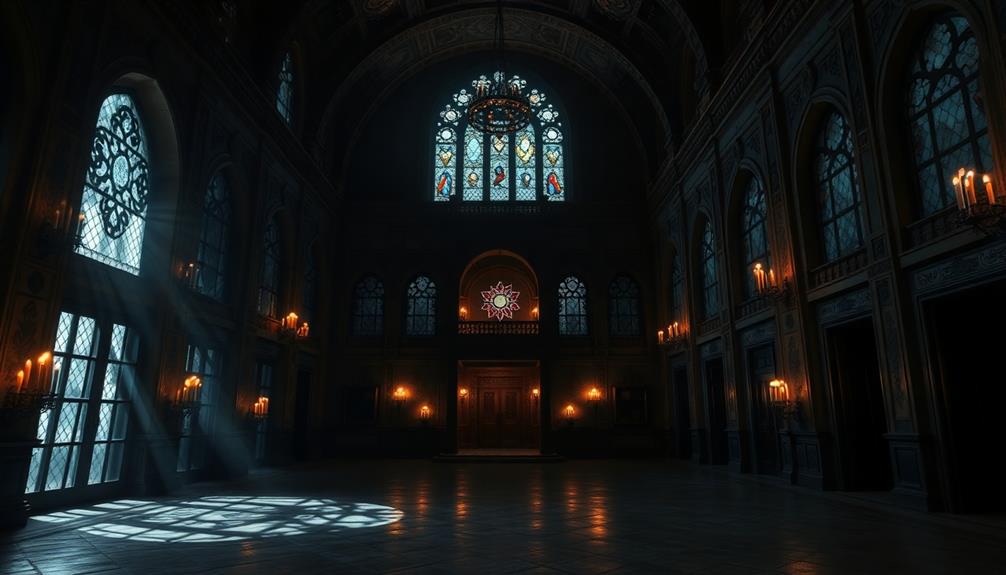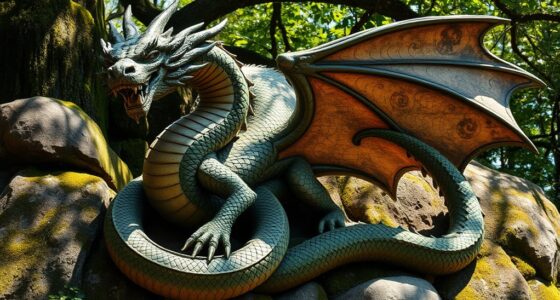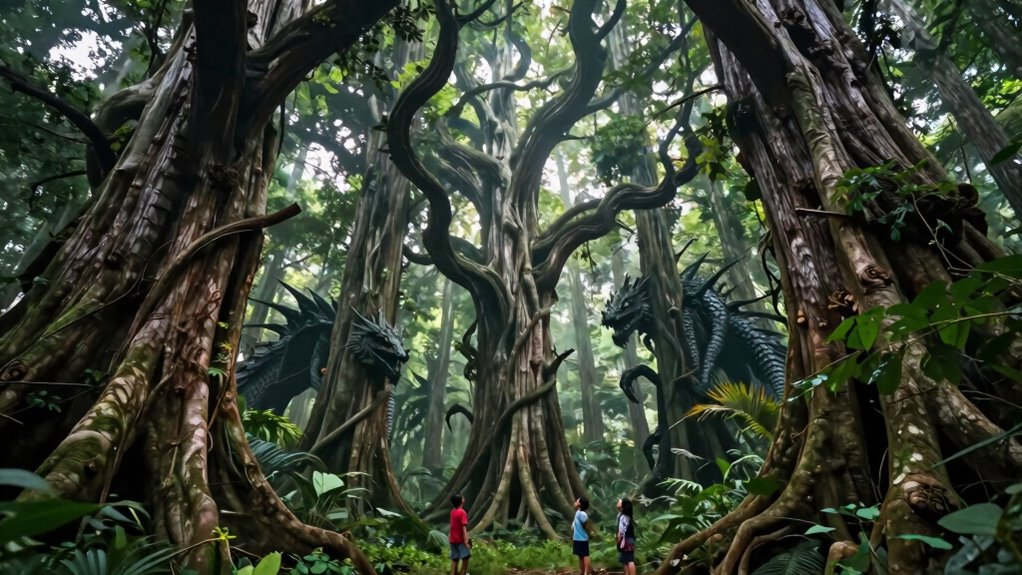

In Spain’s folklore, forest giants symbolize nature’s strength and resilience, often acting as protectors of the environment. Dragons are seen as fierce yet wise guardians of sacred sites, embodying the wild energy of forests. Child-warning monsters remind you of the importance of respecting nature and avoiding greed or neglect. These stories link ancient traditions to today’s conservation efforts, encouraging respect for forests. Keep exploring to discover more about these mythic symbols and their environmental messages.

Get school and study supplies delivered free — and shop member deals
- Fast, free delivery on millions of items
- Access to Prime Big Deal Days deals on October 6–7
- Prime Video, Amazon Music and more included
Key Takeaways
- Spain’s folklore features legendary forest giants symbolizing nature’s strength and resilience, often acting as protectors of the environment.
- Dragons in Spanish legends represent fierce, wise guardians of sacred sites and treasures within forests.
- Child-warning monsters serve as cautionary symbols highlighting dangers like deforestation and environmental neglect.
- These legends emphasize respecting forests, promoting conservation and sustainable stewardship of Spain’s natural landscapes.
- Folklore connects Spain’s cultural heritage with modern ecological efforts to preserve biodiversity and natural habitats.
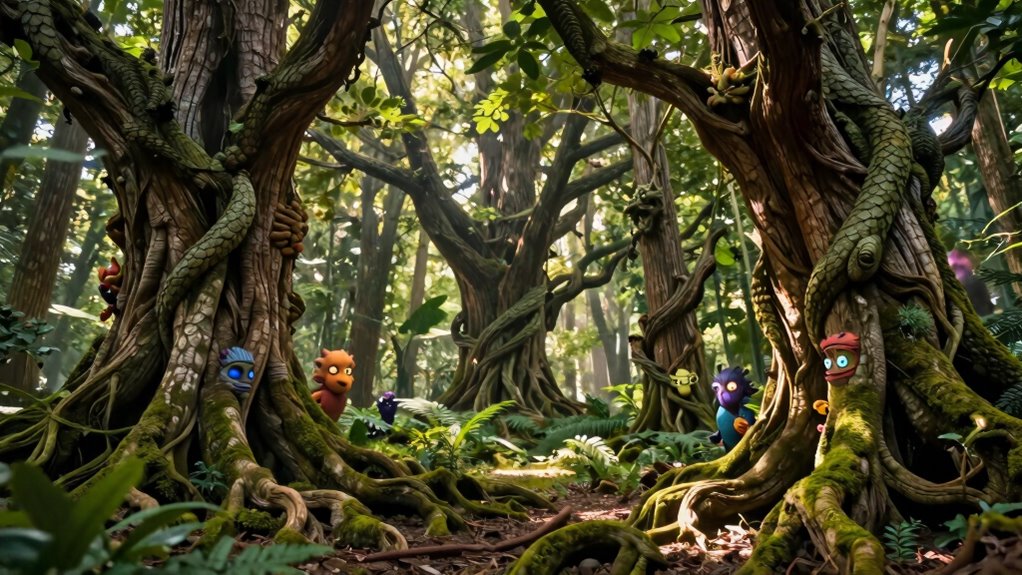
Spain’s forests are teeming with legends of giants, dragons, and monsters that serve as cautionary tales for children. These stories draw from ancient mythologies, weaving a rich tapestry of folklore that has been passed down through generations. They remind you of the importance of respecting nature and understanding the history hidden in the woods. Long ago, ancient mythologies painted these creatures as guardians or threats, often linked to natural phenomena or moral lessons. Today, these legends continue to influence how people view forests, emphasizing the need for forest conservation. You might hear tales of enormous giants lurking among the trees, symbolizing the power of nature and the earth’s resilience. These giants, sometimes depicted as protectors, remind you that forests are essential ecosystems that need safeguarding. Similarly, dragons in Spanish folklore are often portrayed as fierce but wise beings guarding treasures or sacred sites within the woods. Their stories serve as warnings about respecting the natural world’s mysteries and the dangers of greed or neglect. These mythic dragons also embody the wild, untamed energy of forests, urging you to protect them from destruction. Then there are the monsters—creatures that serve as warnings for children to stay away from dangerous places or to listen to elders’ advice. These monsters are not just spooky stories; they symbolize real threats like deforestation, illegal logging, and habitat loss. Their presence in legends underscores the importance of forest conservation, reminding you that the health of these ecosystems directly impacts your future. The stories from ancient mythologies are more than just entertainment; they’re a cultural record of humanity’s relationship with nature. They teach respect, caution, and the understanding that forests are living entities deserving of care. As you explore Spain’s lush landscapes, remember that these legends are embedded in the very fabric of the environment. They encourage you to appreciate the forests’ beauty and to advocate for their preservation. Whether it’s the giants that symbolize strength or the dragons that embody mystery, each story emphasizes the need to protect these natural giants from harm. You’re part of a long-standing tradition that values the forest’s role in culture, history, and ecological health. Recognizing these stories and their lessons can motivate you to support conservation efforts, ensuring future generations can also hear the tales of Spain’s legendary beings and enjoy its thriving forests. Ultimately, the legends of giants, dragons, and monsters serve as a bridge connecting ancient mythologies with modern conservation, inspiring you to act with reverence and responsibility toward Spain’s natural treasures. Understanding the significance of ecological health in these stories highlights the urgent need to preserve natural habitats for future generations. Protecting these environments not only preserves folklore but also sustains biodiversity and promotes sustainable living practices.
forest conservation educational kits for children
As an affiliate, we earn on qualifying purchases.
As an affiliate, we earn on qualifying purchases.
Frequently Asked Questions
Are These Legends Based on Real Historical Events?
These legends about Spain’s mythical creatures are not based on real historical events. Instead, their origins stem from myth, folklore, and cultural storytelling. Legendary creatures often symbolize natural forces or human fears, giving them mythical origins that aren’t grounded in fact. You can see these stories as reflections of cultural imagination rather than actual historical accounts, making them more about tradition and symbolism than reality.
How Have These Stories Influenced Modern Spanish Culture?
These stories profoundly influence modern Spanish culture through mythic symbolism and cultural preservation. You see this in festivals, literature, and art that celebrate these legends, reinforcing a shared identity. They inspire community pride and help preserve traditions, connecting past and present. By embracing these tales, you keep Spain’s rich mythic history alive, fostering a sense of belonging and cultural continuity for future generations.
Are There Specific Regions Known for These Mythical Creatures?
You’ll find that regional folklore highlights specific areas known for mythical habitats. In northern Spain, the Basque Country and Galicia are famous for stories about forest giants and dragons, often linked to lush, ancient woods. Meanwhile, southern regions like Andalusia have tales of child-warning monsters lurking in caves and mountains. These traditions shape local culture, tourism, and festivals, keeping the mythic creatures alive in regional identity and storytelling.
What Are the Origins of These Mythical Beings’ Stories?
You learn that the origins of these mythical beings’ stories stem from ancient mythical symbolism and cultural evolution. Over centuries, local communities shared tales that reflected their fears, values, and natural surroundings. These stories were passed down orally and adapted, blending pagan beliefs, religious influences, and societal changes. As a result, the creatures became embedded in regional identities, serving as warnings or symbols that evolved with each generation’s cultural landscape.
Have Any Modern Sightings Been Reported?
You might find reports of modern cryptid sightings interesting, but there’s little solid evidence to support them. Folklore variations often fuel stories of these mythical beings, yet most sightings remain unverified or are dismissed as misidentifications. While some enthusiasts claim to have glimpsed these creatures in remote forests, mainstream science considers them part of folklore rather than confirmed cryptid sightings. Keep a skeptical eye, but enjoy the stories for their cultural richness.
mythology-themed nature storybooks for kids
As an affiliate, we earn on qualifying purchases.
As an affiliate, we earn on qualifying purchases.
Conclusion
As you wander through Spain’s enchanted forests, remember that these legends are like shadows dancing just beyond the edge of reality. The giants, dragons, and monsters serve as guardians of tradition, whispering stories that breathe life into the woods. Embrace the mystery, for in these tales, the forest becomes a living tapestry of history and myth. Let your imagination soar, and you’ll find yourself lost in a world where legend and nature intertwine like old friends.
sustainable forest protection toys
As an affiliate, we earn on qualifying purchases.
As an affiliate, we earn on qualifying purchases.
Spanish folklore animal figurines
As an affiliate, we earn on qualifying purchases.
As an affiliate, we earn on qualifying purchases.
Halloween Picks
halloween
As an affiliate, we earn on qualifying purchases.