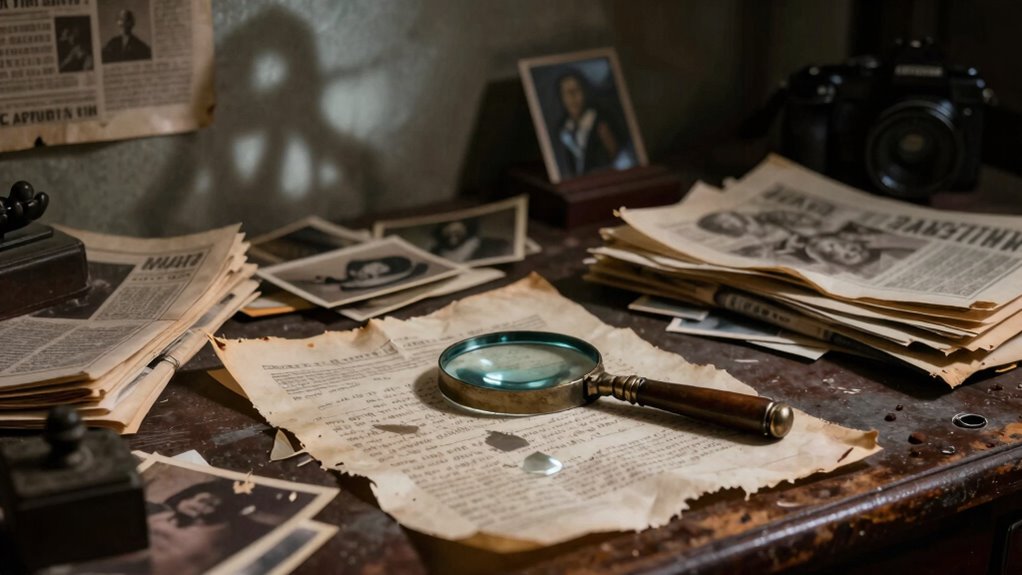

Hoaxes can seriously complicate your investigation by flooding you with false artifacts and misleading evidence. Skilled forgers often mimic genuine materials and techniques, making it hard to tell what’s real. Conflicting clues—like forensic tests suggesting modern origins while stylistic analysis shows age—add to the confusion. These deceptive tactics can cause delays, false accusations, and overlooked genuine artifacts. Stay with us to explore how experts navigate these challenges using a careful, multidisciplinary approach.

Prime made for students and young adults
- Fast, free delivery for dorm and study essentials
- Prime Video and Amazon Music included
- Member-only deals
Key Takeaways
- Hoaxes exploit gaps in knowledge, creating false leads and wasting investigative resources.
- Advanced forgeries mimic authentic materials, misleading forensic tests and cultural analyses.
- Conflicting evidence from forensic analysis and stylistic features complicates establishing artifact authenticity.
- Hoaxes can delay discoveries and cause misinterpretations of historical contexts.
- The need for a multidisciplinary approach increases complexity but is essential to uncover genuine artifacts.
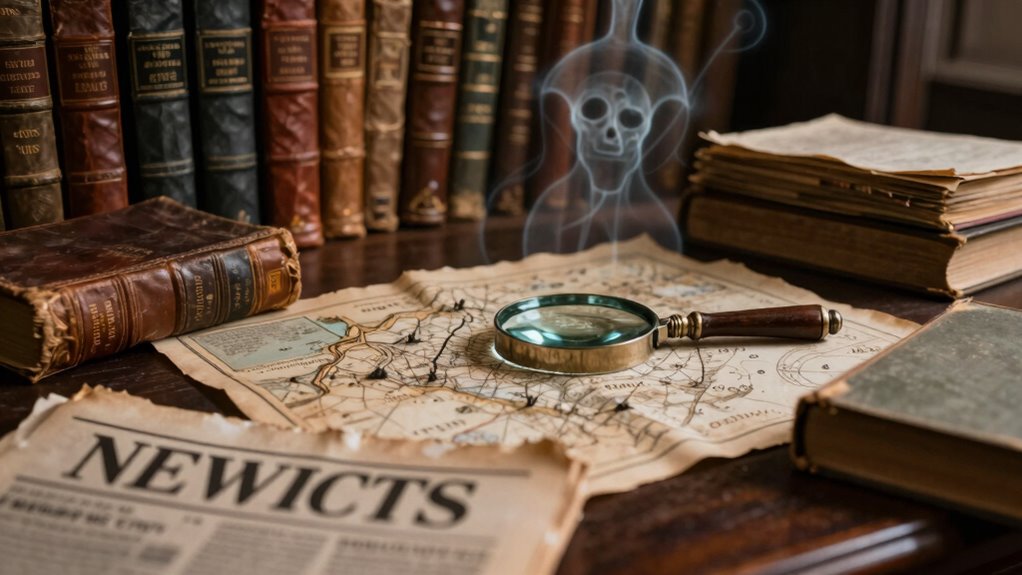
Have you ever wondered how historians distinguish genuine artifacts from clever hoaxes? It’s a challenging process that requires careful investigation, especially when a piece’s authenticity is questioned. When you encounter a suspicious artifact, forensic analysis becomes your first line of defense. This scientific approach examines materials, manufacturing techniques, and the age of the object, helping you determine whether it’s truly ancient or a modern forgery. Techniques like radiocarbon dating or microscopic analysis reveal clues about the artifact’s origins that aren’t visible to the naked eye. Yet, forensic analysis isn’t foolproof; skilled forgers often adapt their methods to mimic authentic items, making it a constant game of cat and mouse.
Forensic analysis uncovers clues about artifacts’ origins, but skilled forgers continuously adapt their methods.
Beyond scientific tests, you also need to consider cultural influences. Artifacts don’t exist in a vacuum; they’re products of their time and place. When you analyze an object, think about its stylistic features, symbolism, and craftsmanship in relation to known cultural practices. Sometimes, a hoaxer might craft an artifact that superficially resembles genuine items from a certain period but doesn’t align with the deeper cultural context. Recognizing these discrepancies requires knowledge of the history, art, and societal norms of the era in question. Cultural influences provide critical context that can either support or challenge the artifact’s authenticity. Additionally, understanding forensic techniques is essential for accurately interpreting scientific evidence in these investigations. Developing expertise in artifact authentication is crucial for distinguishing genuine items from forgeries, especially when evidence is ambiguous.
However, hoaxes complicate investigations because they often exploit gaps in your knowledge. When you’re unsure whether an artifact is authentic, you may encounter conflicting evidence. For example, forensic tests might suggest an object is modern, while stylistic analysis hints at age-old techniques. Conversely, a genuine artifact might be dismissed as a hoax if it bears unusual features that don’t fit expectations, especially if cultural influences are misunderstood. This is where forensic analysis can sometimes be misled by sophisticated forgeries that mimic genuine materials and techniques. This can be further complicated by misleading evidence, which can obscure the true age or origin of an artifact and delay the investigative process. Recognizing the complexity of forgeries helps investigators stay vigilant against sophisticated deceptions that can mislead even experts. This ambiguity delays conclusions and can lead to false accusations or overlooked discoveries.
In the end, distinguishing genuine artifacts from hoaxes demands a multidisciplinary approach. You need to rely on forensic analysis to provide scientific evidence, but also on cultural understanding to interpret the artifact’s significance. The interplay of these methods helps you cut through the deception, but it’s never straightforward. Every hoax challenges your assumptions, forcing you to refine your techniques and deepen your knowledge. That’s what makes solving these mysteries both difficult and fascinating—you’re constantly learning, adapting, and uncovering the truth behind the artifacts that shape our history.
artifact authenticity testing kit
As an affiliate, we earn on qualifying purchases.
As an affiliate, we earn on qualifying purchases.
Frequently Asked Questions
How Can Experts Distinguish Hoaxes From Genuine Artifacts?
You can distinguish hoaxes from genuine artifacts by conducting thorough authenticity verification, which includes examining provenance and historical records. Experts also use forensic analysis, such as material testing and scientific dating techniques, to identify inconsistencies or modern alterations. By combining these methods, you can better determine whether an artifact is authentic or a cleverly crafted hoax, ensuring accurate historical assessments and preventing false attributions.
What Are the Most Famous Historical Hoaxes?
You’ve probably heard of the Piltdown Man, a famed mythical artifact once thought to be the missing link, but it was a clever forgery. The Hitler Diaries, another notorious hoax, fooled experts with forged documents claiming to reveal Nazi secrets. These historic deceptions highlight how mythical artifacts and forged documents can mislead even seasoned researchers, making it essential to scrutinize evidence carefully before accepting it as truth.
How Do Hoaxes Impact Public Trust in History?
Hoaxes lower your trust in history by fueling public skepticism and spreading misinformation. When false stories surface, they make you question credible sources and historical facts. This can lead to confusion and doubt, making it harder to differentiate between truth and fiction. As hoaxes circulate, they undermine confidence in genuine historical research, emphasizing the importance of critical thinking and verifying information to protect yourself from misleading narratives.
What Techniques Are Used to Expose Hoaxes?
You can’t believe everything you see—an adage that holds true in exposing hoaxes. To do so, you rely on forensic analysis to examine materials and techniques, and provenance verification to trace the item’s history. These methods help uncover inconsistencies or alterations, revealing fakery. By applying scientific scrutiny and verifying origins, you can effectively expose hoaxes and preserve the integrity of historical investigations.
Can Hoaxes Ever Be Beneficial to Historical Research?
Yes, hoaxes can sometimes be beneficial to historical research. When you analyze fake documents or misleading testimonies, you learn to identify patterns and improve your methods for detecting deception. This process sharpens your skills and deepens your understanding of historical sources. By studying hoaxes, you become better at distinguishing genuine artifacts from forged ones, ultimately strengthening the integrity of your research and helping uncover authentic history.
radiocarbon dating laboratory kit
As an affiliate, we earn on qualifying purchases.
As an affiliate, we earn on qualifying purchases.
Conclusion
You might think that once a hoax is uncovered, it’s no longer a threat to historical truth. But the reality is, even after exposure, doubts linger, and false stories can influence public perception for years. Recognizing the persistence of hoaxes reminds you to stay critical and diligent. Only by thoroughly investigating and questioning sources can you truly protect the integrity of history from being distorted by deception. Never take a story at face value—truth demands effort.
microscopic analysis for artifacts
As an affiliate, we earn on qualifying purchases.
As an affiliate, we earn on qualifying purchases.
cultural analysis reference books
As an affiliate, we earn on qualifying purchases.
As an affiliate, we earn on qualifying purchases.
Fall Picks
fall essentials
As an affiliate, we earn on qualifying purchases.