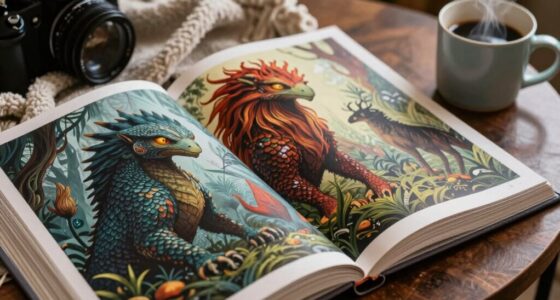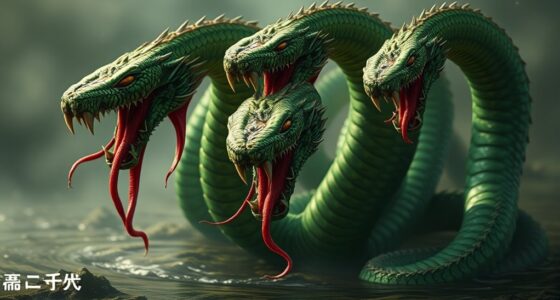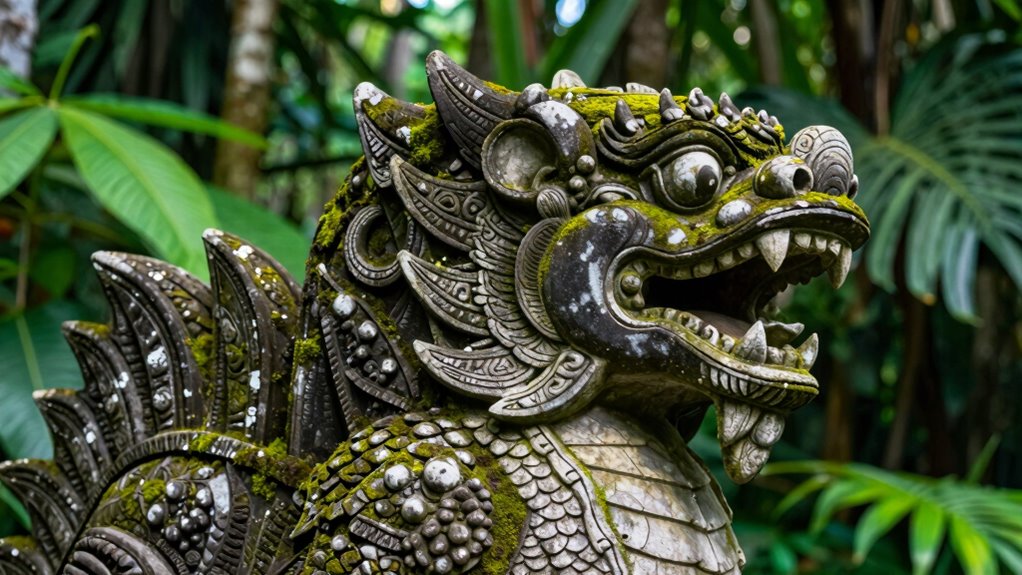

You’ll see monster archetypes repeat across continents because they reflect universal human fears, values, and curiosity about the unknown. Creatures like dragons, wolves, and foxes embody concepts like power, chaos, and cunning, no matter where you look. These myths help societies express complex emotions and ideals, revealing shared concerns about mortality, morality, and societal order. If you keep exploring, you’ll discover how these symbols reveal deeper insights into human nature across cultures.

Prime made for students and young adults
- Fast, free delivery for dorm and study essentials
- Prime Video and Amazon Music included
- Member-only deals
Key Takeaways
- Archetypes like dragons, wolves, and foxes appear globally, embodying universal themes such as power, cunning, and chaos.
- Similar traits are interpreted through different mythic lenses, revealing shared human concerns and cultural values.
- Monster archetypes evolve over time but retain core symbolic themes like death, rebirth, and societal fears.
- Creatures serve as allegories for universal themes like good versus evil, order versus chaos, and the unknown.
- Despite cultural differences, mythical monsters reflect common human emotions, anxieties, and aspirations.
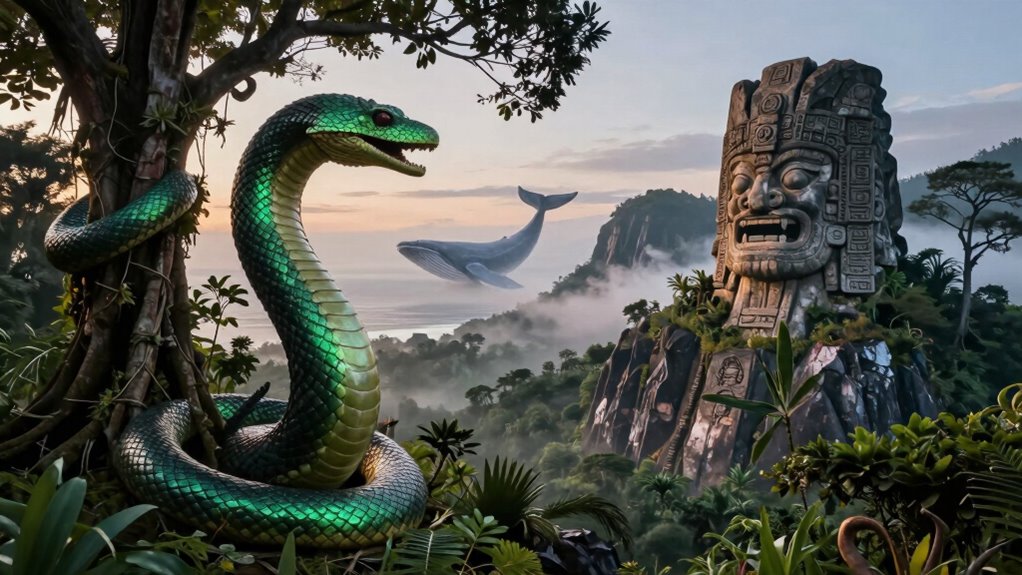
Throughout history, different cultures have created monsters that reflect their fears, values, and myths, revealing a fascinating tapestry of shared human imagination. These monsters aren’t just random creations; they embody the collective psyche, serving as symbols that communicate deeper truths about societies. When you examine their mythical creature origins, you’ll notice a recurring pattern: many of these beings originate from stories meant to explain natural phenomena, enforce moral lessons, or embody cultural ideals. For example, a dragon in Chinese mythology symbolizes power, wisdom, and good fortune, while Western dragons often represent chaos, greed, or destructive forces. Despite geographic distances, these myths serve similar roles, illustrating how humans across cultures project their hopes and fears onto these creatures. The mythical creature origins often reveal underlying societal values that transcend specific regions. The cultural symbolism significance of these monsters extends beyond their stories. They often act as allegories for universal themes**—good versus evil, chaos versus order, the known versus the unknown. When you see a creature like the griffin, which combines lion and eagle traits, it symbolizes strength and vigilance, qualities prized across many civilizations. Similarly, the Japanese oni, malevolent demons, symbolize the chaos and evil that communities seek to ward off through rituals and stories. These archetypes persist because they resonate deeply within human consciousness, addressing fundamental concerns like mortality, morality, and societal stability. Interestingly, many of these archetypes also reflect the human tendency to personify abstract qualities, making complex ideas more tangible and relatable. Additionally, understanding cultural symbolism enhances our appreciation for how different societies interpret existential questions. What’s captivating is how these archetypes often mirror each other despite geographical separation. The wolf in European folklore, representing cunning and danger, echoes the similar role played by the Kitsune in Japanese stories—an intelligent fox with mystical powers. Both creatures symbolize trickery and transformation, highlighting how different cultures interpret similar traits through their own mythic lens. This pattern reveals a shared human tendency to personify abstract qualities in creature form, emphasizing that fear and admiration are universal. You’ll also notice that many monster archetypes evolve over time but maintain core symbolic themes. The vampire, for instance, originated from diverse mythologies worldwide but consistently embodies themes of death, rebirth, and societal fears about disease or morality. These recurring motifs show how archetypes adapt yet retain their cultural symbolism significance, revealing the deep-rooted human need** to understand and control the unknown. In essence, these monsters serve as mirrors—reflecting shared anxieties and aspirations across continents, proving that despite our diverse stories, we are united by common fears, values, and myths.
As an affiliate, we earn on qualifying purchases.
Frequently Asked Questions
How Do Cultural Differences Influence Monster Interpretations Worldwide?
You see that cultural symbolism shapes how you interpret monsters worldwide. Different societies emphasize unique folklore variations, influencing the monster’s traits and significance. For example, a creature feared in one culture might symbolize evil or chaos, while in another, it could represent protection or wisdom. These cultural nuances deeply impact how you perceive and relate to monsters, showing that folklore isn’t universal but molded by each society’s beliefs and history.
Are There Any Common Origins for Similar Monster Archetypes Globally?
You’ll find that many similar monster archetypes share common origins rooted in mythical classification and folklore origins. These creatures often emerge from ancient stories that explain natural phenomena or societal fears, spreading through human migration and trade. As a result, cultures develop comparable monsters independently or through cultural exchange, reflecting universal themes like chaos, danger, or morality. This shared myth-making hints at a collective subconscious shaping diverse yet interconnected monster archetypes worldwide.
How Do Modern Media Representations Impact Traditional Monster Stories?
In a world where smartphones exist, modern media reshapes traditional monster stories by amplifying symbolism and fear factor. You see, these stories adapt to current fears, making monsters more relatable and terrifying. Media’s vivid visuals and storytelling deepen symbolism, intensifying emotional impact. This evolution influences how you perceive ancient tales, blending old fears with new technology, creating a dynamic, ongoing dialogue that keeps these monsters relevant and compelling today.
Do Ancient Myths Share Underlying Themes Despite Regional Variations?
You’ll find that ancient myths share core themes through symbolic symbolism and archetypal patterns, even with regional variations. These stories reflect universal human concerns like mortality, chaos, and heroism, resonating across cultures. Despite differences in details, the underlying messages stay consistent, revealing shared psychological truths. Recognizing these archetypes helps you understand how different societies express similar fears and hopes through myth, uniting diverse traditions under common symbolic frameworks.
How Do Monster Archetypes Evolve Over Time Across Different Cultures?
Imagine you’re scrolling through ancient myths on your tablet—monster archetypes evolve as cultures reinterpret their mythical symbolism over time. You see how folklore evolution transforms these creatures, blending old fears with new societal values. This dynamic process keeps archetypes relevant, adapting to shifting beliefs and environments. As a result, monster archetypes develop uniquely across cultures, reflecting their history, environment, and collective psyche, yet they still echo shared human fears and fascination.
As an affiliate, we earn on qualifying purchases.
Conclusion
As you see, these monster archetypes connect us across cultures, revealing shared fears and stories. Imagine a child in Japan hearing tales of the Kappa, only to find echoes of Western water spirits in their own backyard. These stories remind us that, despite our differences, we all confront similar fears—monsters lurking in shadows, waiting to be understood. Embracing these myths helps us find common ground and face our fears together.
As an affiliate, we earn on qualifying purchases.
As an affiliate, we earn on qualifying purchases.
Halloween Picks
halloween
As an affiliate, we earn on qualifying purchases.