If you’re choosing between 4K, infrared, and low-light creature cameras, it’s about what you want to see. 4K cameras deliver crisp, high-definition images perfect for daytime and close-up details. Infrared cameras record in complete darkness using infrared light, making them ideal for nocturnal activity without disturbing animals. Low-light cameras perform well in dim conditions and can capture color footage at dawn or dusk. To master all options and find the best fit, explore further.
Key Takeaways
- 4K cameras deliver ultra-high-definition images, ideal for detailed daytime viewing and close-up species identification.
- Infrared cameras use infrared light for discreet nighttime recording in complete darkness, producing black-and-white images.
- Low-light cameras perform well in dim conditions, capturing color footage during dusk or dawn without active illumination.
- The choice depends on whether high-resolution daytime footage, nocturnal stealth, or nighttime color recording is prioritized.
- Proper selection and placement of each camera type optimize wildlife observation based on environment and activity periods.
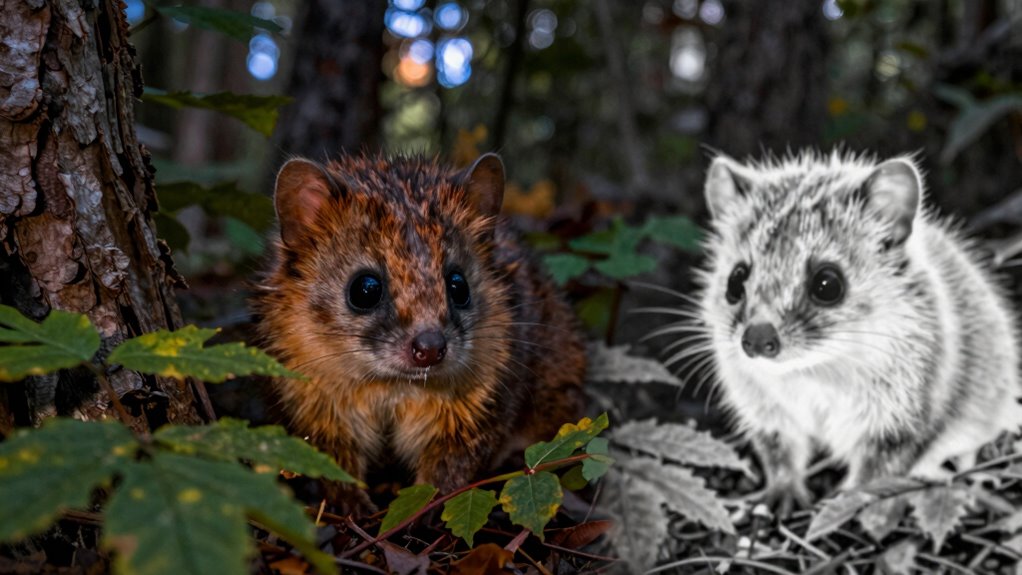
When choosing a creature camera, understanding the differences between 4K, infrared, and low-light models is essential, as each type offers unique advantages for capturing wildlife in various conditions. Camera resolution plays a crucial role in how clear and detailed your footage will be. For example, 4K cameras provide ultra-high-definition images, enabling you to see fine details like fur patterns or subtle movements. If your goal is to capture high-quality footage that allows for zooming in or identifying species with precision, a 4K model is your best choice. On the other hand, infrared cameras rely on night vision technology, which uses infrared light to illuminate the scene without disturbing animals. These cameras excel in complete darkness, allowing you to record nocturnal activity without emitting visible light that could scare off wildlife. The night vision technology in infrared models produces black-and-white images, but it offers excellent visibility in low-light or pitch-dark environments.
Low-light creature cameras are designed to perform well in dim conditions, often combining enhanced sensor sensitivity with advanced night vision technology to maximize visibility. They don’t require infrared illumination and can produce color images in very low light, giving you more natural footage during dusk or dawn. The key difference lies in their ability to function without active illumination, making them less intrusive and more suitable for discreet observation. When selecting a camera based on night vision technology, consider whether you need color footage at night or if black-and-white infrared images are sufficient. If you want detailed, high-resolution footage in well-lit conditions and crisp night visuals, a 4K model with good night vision capabilities will serve you well. Conversely, if you’re primarily interested in observing nocturnal behavior without influencing animal activity, infrared or low-light cameras are better options. Additionally, understanding the technology differences between these camera types can help you make a more informed decision tailored to your specific wildlife observation needs.
Ultimately, your choice depends on your specific needs and the environment where you plan to set up your camera. If capturing high-definition daytime footage is your priority, opt for a 4K camera with robust night vision. If your focus is on nighttime activity without disturbing animals, infrared cameras with advanced night vision technology are ideal. For environments with limited ambient light but where color footage is desired, low-light models strike a good balance. It’s also beneficial to consider camera placement and how different lighting conditions might impact footage quality. By understanding these distinctions, you can select a creature camera that perfectly matches your wildlife observation goals, ensuring you get the clearest, most detailed footage possible under any conditions.
As an affiliate, we earn on qualifying purchases.
Frequently Asked Questions
How Do These Camera Types Impact Battery Life?
These camera types impact battery life differently because of their power consumption and efficiency. 4K cameras typically use more power due to high-resolution processing, reducing battery life. Infrared and low-light cameras are designed for better power efficiency, often conserving energy during night or low-light conditions. Your camera’s battery consumption depends on its mode, features, and how frequently it records, so choosing the right type can help extend your device’s operational time.
Are They Suitable for Outdoor or Indoor Use?
Think of your camera like a loyal pet—some thrive indoors, others excel outside. You’ll find 4K and Low-Light cameras great for outdoor security, thanks to their clarity and night vision. Infrared models work well indoors, especially in low-light settings, as they don’t disturb animals or people. Your choice depends on camera placement and user preferences; consider where you want the camera and what features matter most.
Do They Require Special Maintenance or Cleaning?
These cameras generally don’t need special maintenance, but you should regularly check their durability and clean the lenses to guarantee clear footage. Dust, dirt, or smudges can affect image quality, so gentle cleaning is recommended. Also, periodically calibrate the lens to maintain focus and clarity. Proper care keeps your cameras functioning efficiently and prolongs their lifespan, especially if exposed to outdoor elements.
Which Camera Type Is Best for Nighttime Surveillance?
For nighttime surveillance, infrared cameras are your best choice. Imagine a silent guardian, detecting every motion in darkness with crystal-clear night vision. Their infrared LEDs illuminate even the stealthiest intruder, ensuring nothing escapes unnoticed. This camera type excels in low-light conditions, providing sharp images and reliable motion detection. With infrared, you gain peace of mind, knowing your security system is vigilant through the darkest hours.
Can These Cameras Record in Different Weather Conditions?
Yes, these cameras can record in different weather conditions. Their weather resilience and camera durability are designed to withstand rain, snow, and extreme temperatures. You’ll find that many models feature waterproof housings and robust materials, ensuring they continue working reliably outdoors. This means you can trust them to capture clear footage regardless of weather changes, making them a dependable choice for continuous surveillance in challenging environments.
infrared night vision animal camera
As an affiliate, we earn on qualifying purchases.
As an affiliate, we earn on qualifying purchases.
Conclusion
Now that you see the unique strengths of 4K, infrared, and low-light creature cameras, you’re equipped to choose the perfect eye for your wilderness watch. Think of these cameras as different brushes on your artistic palette—each adding its own splash of color to your wildlife storytelling. Whether you need sharp detail, stealthy night vision, or low-light finesse, you hold the power to reveal nature’s secrets. Your adventure in capturing the wild’s hidden moments begins now—go discover its mysteries.
low-light outdoor camera for wildlife
As an affiliate, we earn on qualifying purchases.
As an affiliate, we earn on qualifying purchases.
wildlife motion activated camera
As an affiliate, we earn on qualifying purchases.
As an affiliate, we earn on qualifying purchases.