When selecting a cooler for wilderness investigations, durability, insulation performance, and portability are critical. Among the top contenders are the Yeti Tundra 65, known for its rugged build and superior ice retention, and the Pelican Elite Cooler 80QT, which offers exceptional durability and ice retention, but at a heavier weight. Each has unique tradeoffs: the Yeti is lighter and easier to handle, while the Pelican provides even longer ice life and extreme resilience. Here’s a detailed comparison to help you choose the best cooler for challenging outdoor investigation environments.
Key Takeaways
- Durability and ice retention are the most important factors for wilderness investigations.
- Lighter coolers improve mobility but may sacrifice some insulation performance.
- Heavy-duty coolers like Pelican excel in extreme conditions but add weight.
- Portability features like wheels and handles can significantly affect usability in remote terrains.
- Price varies widely, and investing in a tough cooler often pays off for prolonged fieldwork.
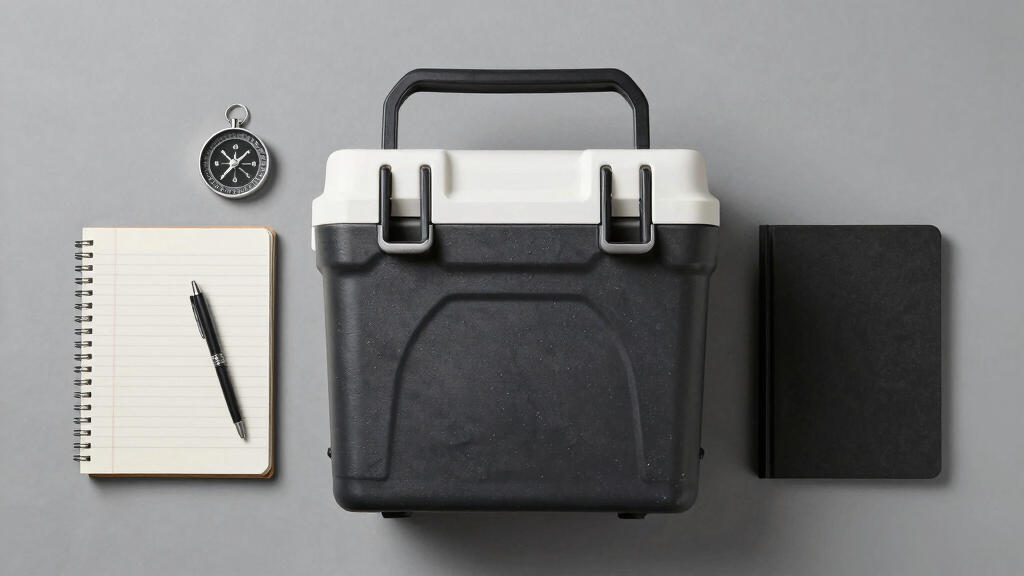
| Pelican Elite Cooler 80QT |  | Best for Extreme Durability and Ice Life | Capacity: 80 quarts | Weight: 40 lbs | Insulation: Polyurethane foam | VIEW LATEST PRICE | See Our Full Breakdown |
More Details on Our Top Picks
Pelican Elite Cooler 80QT
The Pelican Elite Cooler 80QT is built for the most demanding outdoor conditions, featuring a rugged, impact-resistant design and superior insulation that can keep ice frozen for up to a week. Compared with the Yeti, it’s significantly heavier—approaching 40 pounds—but this extra heft translates into even better ice retention under extreme conditions. Its ultra-strong construction makes it nearly indestructible, ideal for prolonged investigations in harsh environments. That said, its size and weight can limit mobility, especially if you need to frequently move or carry it over uneven terrain. The price reflects its premium build quality, making it an investment for serious fieldwork.
Pros:- Outstanding impact resistance and durability
- Longest ice retention (up to 7 days)
- Heavy-duty latches and hinges
- Insulation designed for extreme environments
Cons:- Heavy and difficult to lift or carry
- Size may be cumbersome in tight spaces
- High cost
Best for: Investigators requiring maximum durability, extreme ice retention, and resilience in the most challenging conditions.
Not ideal for: Investigators needing lightweight, easy-to-transport coolers for quick trips or frequent movement.
- Capacity:80 quarts
- Weight:40 lbs
- Insulation:Polyurethane foam
- Material:Polyethylene
- Water Resistance:Yes
- Latches:Heavy-duty rubber latches
Bottom line: The Pelican Elite Cooler 80QT provides unmatched toughness and ice retention, perfect for prolonged, heavy-duty wilderness investigations where equipment durability outweighs portability.
How We Picked
We evaluated coolers based on their insulation performance, durability, portability, and user reviews specific to wilderness and field investigations. We compared ice retention times in real-world conditions, assessed build quality for rugged environments, and considered features like handles, wheels, and weight. Our goal was to identify options that balance performance with practicality, ensuring they can withstand the rigors of remote outdoor work while remaining manageable to transport.
Factors to Consider When Choosing Cooler For Wilderness Investigations
Choosing the right cooler for wilderness investigations depends on balancing insulation performance, durability, and portability. The environment’s severity, investigation duration, and your physical capacity all influence which features matter most. This guide explores key factors to consider when selecting a cooler that can withstand remote, rugged conditions without sacrificing ease of transport and usability.Insulation and Ice Retention
For wilderness work, long-lasting ice retention is non-negotiable. Coolers with thick insulation and high-quality foam like polyurethane or permafrost™ technology tend to keep contents cold for several days. Assess your typical investigation length and environment; in extreme heat or longer trips, prioritize models like the Pelican for maximum retention. Less insulated options may suffice for shorter durations or cooler climates, but they risk ice melting faster, jeopardizing sample preservation.
Durability and Build Quality
Ruggedness is essential when equipment faces rough handling, impacts, and exposure to the elements. Rotomolded polyethylene, reinforced hinges, and bear-proof locks are signs of a cooler designed for tough environments. The Yeti excels here with its impact resistance, while the Pelican offers even more extreme resilience, often at the expense of weight. Think about whether your investigations involve frequent transport or fixed locations, as this influences your choice.
Portability and Handling
Weight and size directly affect how easily you can move your cooler around. Features like wheels, handles, and ergonomic grips can make a significant difference, especially when navigating uneven terrain. The Yeti Tundra 65 strikes a good balance with manageable weight, whereas the Pelican’s heavier design might require additional assistance or careful planning. Consider your strength and the distances you need to cover before finalizing your pick.
Price and Investment
High-performance coolers come at a premium price, but their durability and ice retention capabilities can justify the expense, especially for professional investigations. Cheaper models might save money upfront but often falter in extreme conditions or with prolonged use. Evaluate your budget against the importance of equipment reliability to determine if investing in a premium cooler aligns with your investigation needs.
Frequently Asked Questions
How long can a cooler keep samples cold in remote wilderness conditions?
The duration varies based on insulation quality, ambient temperature, and how often the cooler is opened. Premium models like the Yeti Tundra 65 and Pelican Elite Cooler 80QT can typically maintain cold temperatures for 5 to 7 days, making them suitable for extended investigations where supply replenishment is difficult.
Is weight a significant concern for wilderness coolers?
Yes, weight plays a crucial role, especially when transporting equipment over rough terrain. Heavy-duty coolers like the Pelican are extremely durable but can be cumbersome to move, while lighter options such as the Yeti strike a better balance between resilience and portability. Assess your ability to carry or wheel the cooler over long distances.
Are these coolers bear-proof?
The Yeti Tundra 65 features a bear-proof locking mechanism, making it suitable for use in bear country. The Pelican Elite Cooler also has a heavy-duty construction and secure latches that provide a high level of resistance, but always check local wildlife guidelines and consider additional bear-proof containers if necessary.
Can I use these coolers for other outdoor activities?
Absolutely. Both the Yeti and Pelican models are versatile and can serve well in camping, fishing, or hunting trips. Their rugged build and excellent insulation make them reliable choices across various outdoor pursuits, though their size and weight should be considered if your activities require frequent movement.
What is the typical lifespan of these coolers?
High-quality coolers like these are designed for years of heavy use. With proper maintenance—such as cleaning and avoiding prolonged exposure to harsh chemicals—they can last a decade or more. Their impact-resistant construction and replaceable parts, like latches, extend their lifespan even further, making them a worthwhile investment for serious wilderness investigation professionals.
Conclusion
For investigators prioritizing maximum durability, ice retention, and security, the Pelican Elite Cooler 80QT is the best choice, despite its weight. Those who need a balance of ruggedness and easier handling might prefer the Yeti Tundra 65, which offers excellent insulation and impact resistance without excessive weight. Budget-conscious users or those conducting shorter or less demanding trips may find more suitable options elsewhere, but for professional, extended wilderness investigations, investing in one of these top-tier coolers is a decision that will pay off in performance and reliability.