
TL;DR

Prime made for students and young adults
- Fast, free delivery for dorm and study essentials
- Prime Video and Amazon Music included
- Member-only deals
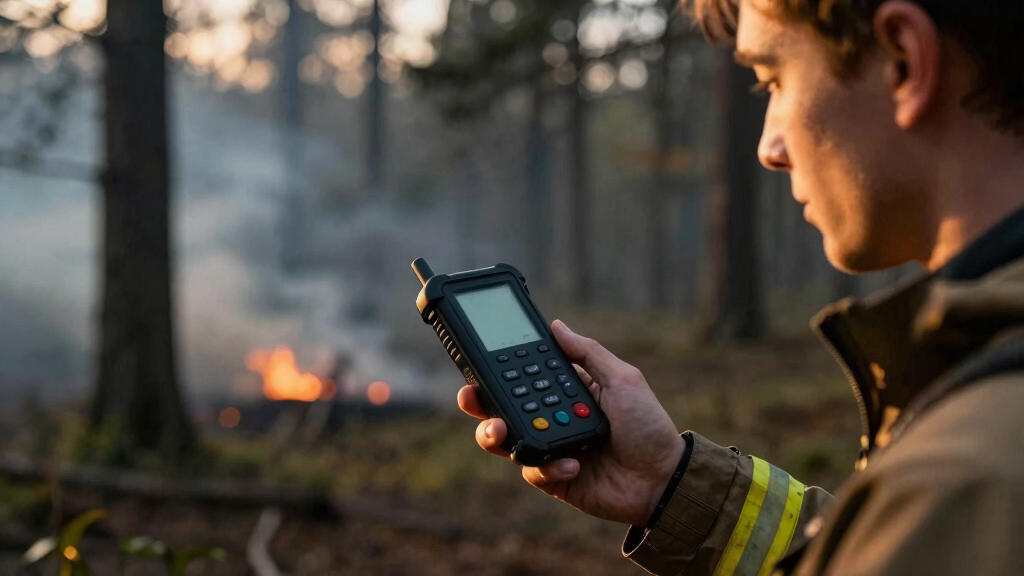
In 2026, Canada is experiencing extensive wildfires affecting multiple provinces. Authorities confirm active fires, but the full extent and impact are still being assessed. The situation raises concerns about climate change and emergency preparedness.
Multiple provinces across Canada are experiencing severe wildfires in 2026, with authorities confirming active fires that have led to evacuations and air quality alerts. Utah under historic ‘red flag’ weather warning amid dangerous wildfires The fires are among the most extensive seen in recent years, raising concerns about climate change impacts and emergency response capacity.
According to officials from the Canadian Forest Service, at least 15 major wildfires are currently active across provinces including Alberta, British Columbia, and Quebec. These fires have burned thousands of hectares of forest and prompted the evacuation of several communities. The government has deployed firefighting resources from across the country, and international assistance has been requested in some areas. See how wildfire response efforts are coordinated
Health authorities have issued air quality warnings in affected regions, citing high levels of smoke and particulate matter that pose health risks to vulnerable populations. The wildfire season in Canada has intensified earlier than usual this year, with meteorological conditions such as high temperatures and drought conditions contributing to the rapid spread of fires.
Officials emphasize that the situation remains dynamic, with firefighting efforts ongoing and the potential for further escalation. The Canadian government has declared a state of emergency in Alberta and parts of British Columbia, and residents are advised to stay informed through local authorities.
Impacts on Public Health and Climate Change Concerns
The ongoing wildfires in Canada are significant because they threaten public health through smoke inhalation and air pollution, especially in urban centers. Additionally, the fires contribute to greenhouse gas emissions, exacerbating climate change. The severity of this wildfire season highlights the increasing frequency and intensity of such events linked to global warming, raising urgent questions about environmental policies and preparedness.
As an affiliate, we earn on qualifying purchases.
Recent Trends and Contributing Factors to 2026 Wildfires
Canada has experienced a rising trend in wildfire severity over the past decade, with 2026 marking one of the most intense seasons to date. Experts attribute this increase to prolonged drought conditions, higher average temperatures, and changing precipitation patterns driven by climate change. Historically, wildfire seasons peak in late summer, but this year, fires have started earlier and spread more rapidly, straining firefighting resources.
Previous major wildfire events in Canada include the 2021 wildfires in British Columbia, which burned over 800,000 hectares, and the 2019 Alberta fires. These incidents have underscored the need for improved fire management and climate resilience strategies, which are now being tested again in 2026.
“The severity of this wildfire season is consistent with climate change models predicting more intense and earlier fires in northern regions.”
— Environmental scientist Dr. Lisa Chen
As an affiliate, we earn on qualifying purchases.
Unconfirmed Extent and Long-term Impact of Fires
While the number of active fires and immediate impacts are confirmed, the full extent of the damage, total area burned, and long-term ecological consequences remain uncertain. It is also unclear how long firefighting efforts will need to continue and what the final economic impact will be.
As an affiliate, we earn on qualifying purchases.
Next Steps in Firefighting and Monitoring
Authorities will continue firefighting operations, with updates expected as new fires emerge or existing fires are contained. Monitoring agencies will assess air quality and ecological impacts, while policymakers may implement additional measures to address climate resilience. International aid and resource sharing are also anticipated to bolster response efforts.
As an affiliate, we earn on qualifying purchases.
Key Questions
How widespread are the wildfires in Canada in 2026?
Wildfires are confirmed in at least 15 regions across provinces including Alberta, British Columbia, and Quebec, affecting thousands of hectares of land.
What are the main causes of these wildfires?
While specific causes of individual fires are under investigation, overall conditions such as prolonged drought, high temperatures, and dry vegetation have contributed to the fires’ spread.
What health risks do the wildfires pose?
The smoke from the fires has led to air quality warnings, with risks including respiratory issues, especially for vulnerable populations like children, seniors, and those with pre-existing health conditions.
Are there any international aid efforts involved?
Yes, Canada has requested assistance from neighboring countries and international firefighting teams to help manage the large-scale fires.
When will the wildfire season end?
The exact end date is uncertain; firefighting efforts will continue until the fires are contained, which could extend into late spring or early summer depending on weather conditions.
Source: google-trends
Fall Picks
fall essentials
As an affiliate, we earn on qualifying purchases.