

Finding the right science reference books for students can be challenging, as options vary widely in depth, format, and usability. The Best Overall pick, the Pocket Atlas of Skeletal Muscles, offers comprehensive detail for anatomy students, but may be too advanced for casual learners. Meanwhile, laminated guides like Microbiology: A QuickStudy provide quick, portable references perfect for on-the-go study sessions, though they lack depth. The main tradeoffs involve balancing detail versus accessibility and choosing between comprehensive textbooks or condensed guides. Continue reading for a detailed breakdown of each option and find the best fit for your learning needs.

Get school and study supplies delivered free — and shop member deals
- Fast, free delivery on millions of items
- Access to Prime Big Deal Days deals on October 6–7
- Prime Video, Amazon Music and more included
Key Takeaways
- The top picks balance depth of content with ease of use, ensuring students aren’t overwhelmed or under-informed.
- Laminated quick-reference guides excel for portability and quick review but tend to lack comprehensive explanations.
- Anatomy and biology books tend to be more detailed, making them ideal for serious study but less suitable for casual learners.
- Price and build quality are key differentiators; more expensive books often offer better durability and clearer visuals.
- Choosing the right book depends heavily on the student’s current knowledge level and specific science interests.
| The Pocket Atlas of Skeletal Muscles: A Reference for Students of Physical Therapy, Medicine, Sports, and Bodywork |  | Best Compact Atlas for Quick Muscle Identification | Size: Pocket-sized | Illustrations: Detailed muscle diagrams | Content: Focused on skeletal muscles | VIEW LATEST PRICE | See Our Full Breakdown |
| Microbiology: A QuickStudy Laminated Reference Guide |  | Best Quick-Access Microbiology Cheat Sheet | Format: Laminated reference guide | Coverage: Core microbiology concepts | Size: Small and portable | VIEW LATEST PRICE | See Our Full Breakdown |
| The Pocket Atlas of Human Anatomy, Revised Edition |  | Best Portable Anatomy Atlas for Quick Reference | Size: Pocket-sized | Illustrations: Detailed anatomical diagrams | Content: Broad human anatomy coverage | VIEW LATEST PRICE | See Our Full Breakdown |
| Materials Science: A Quick Study Laminated Reference Guide |  | Best Quick Reference for Materials Science Fundamentals | Format: Laminated reference guide | Coverage: Materials properties and applications | Size: Small and portable | VIEW LATEST PRICE | See Our Full Breakdown |
| Biology: A QuickStudy Laminated Reference Guide | 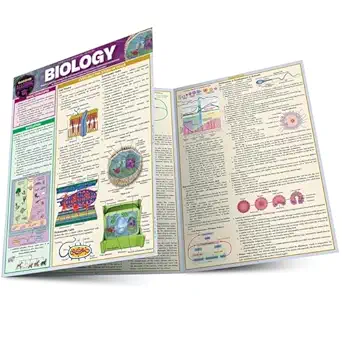 | Best Biology Cheat Sheet for Quick Review | Format: Laminated reference guide | Coverage: Key biology topics and facts | Size: Compact and portable | VIEW LATEST PRICE | See Our Full Breakdown |
| A Student’s Guide to Natural Science | 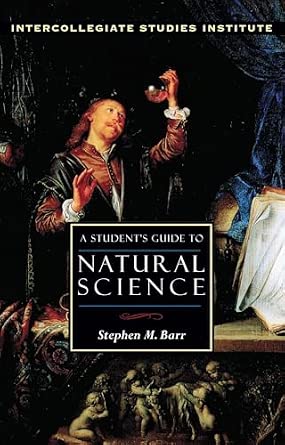 | Best for Beginners Seeking a Broad Foundation | Audience: Students new to natural science | Coverage: Broad overview of disciplines | Depth: Introductory level | VIEW LATEST PRICE | See Our Full Breakdown |
| Science Fundamentals 3 – Physical Science: for Middle School – A QuickStudy Laminated Reference & Study Guide |  | Best for Quick, On-the-Go Review for Middle School Students | Format: Laminated Study Guide | Intended Audience: Middle school students | Topics Covered: Physical science fundamentals | VIEW LATEST PRICE | See Our Full Breakdown |
| science reference books for student | Format | Audience | Size | Durability |
|---|---|---|---|---|
| The Pocket Atlas of Skeletal M | Print book | Students and professionals in physical therapy, sports, and bodywork | Pocket-sized | N/A |
| Microbiology: A QuickStudy Lam | Laminated reference guide | Students and health professionals | Small and portable | Laminated for longevity |
| The Pocket Atlas of Human Anat | Print book | Students and healthcare professionals | Pocket-sized | — |
| Materials Science: A Quick Stu | Laminated reference guide | Students and professionals in materials science | Small and portable | Laminated for frequent handling |
| Biology: A QuickStudy Laminate | Laminated reference guide | Students and educators | Compact and portable | Laminated for frequent use |
| A Student’s Guide to Natural S | Paperback | Students new to natural science | — | — |
| Science Fundamentals 3 | Laminated Study Guide | — | — | Laminated |
More Details on Our Top Picks
The Pocket Atlas of Skeletal Muscles: A Reference for Students of Physical Therapy, Medicine, Sports, and Bodywork
This pocket-sized atlas stands out for its portability and detailed illustrations, making it ideal for students and professionals needing rapid muscle identification in clinical or sports settings. Unlike larger atlases, it sacrifices some depth for quick access, which may leave advanced users wanting more comprehensive explanations. Its clear diagrams are perfect for on-the-go study and practical reference, but it doesn’t provide extensive textual detail or in-depth anatomy insights that more comprehensive books offer. Compared to the larger, more detailed atlases, this guide prioritizes quick recognition over exhaustive learning, making it less suitable for in-depth coursework but excellent for quick revision or clinical use.
Pros:- Compact and portable design for on-the-go use
- Detailed muscle illustrations aid quick identification
- Useful for both students and clinicians in practical settings
Cons:- Limited content compared to larger anatomical atlases
- Lacks in-depth textual explanations for advanced study
Best for: Students and practitioners who need a portable, easy-to-use muscle reference during classes, therapy sessions, or sports training.
Not ideal for: Advanced anatomy students or researchers seeking detailed explanations and extensive content beyond quick identification.
- Size:Pocket-sized
- Illustrations:Detailed muscle diagrams
- Content:Focused on skeletal muscles
- Audience:Students and professionals in physical therapy, sports, and bodywork
- Durability:N/A
- Format:Print book
Our verdict“This atlas is perfect for quick reference and practical use but not for detailed anatomical study.”
Microbiology: A QuickStudy Laminated Reference Guide
This laminated guide excels at providing a concise overview of microbiology concepts, making it ideal for quick review before exams or during lab work. Compared to more comprehensive textbooks, it offers brevity and portability, but at the expense of detailed explanations or practice questions. Its durability and slim format mean it can be used in various settings without worry, yet it might leave students wanting more depth when tackling complex topics. Unlike larger microbiology textbooks, this guide emphasizes core facts and basic principles, which makes it less suitable as a sole study resource but very effective for quick refreshers or supplementary review.
Pros:- Compact laminated design for durability and portability
- Provides quick access to essential microbiology facts
- Ideal for review and quick study sessions
Cons:- Lacks detailed explanations and in-depth coverage
- No practice questions or exercises included
Best for: Students preparing for exams or professionals needing a fast microbiology reference on the go.
Not ideal for: Anyone seeking in-depth understanding or detailed case studies, as it covers only core concepts briefly.
- Format:Laminated reference guide
- Coverage:Core microbiology concepts
- Size:Small and portable
- Durability:Laminated for longevity
- Audience:Students and health professionals
- Content Depth:Concise and basic
Our verdict“This guide is a practical quick-reference for microbiology essentials but isn’t a substitute for detailed textbooks.”
The Pocket Atlas of Human Anatomy, Revised Edition
This revised edition offers detailed anatomical illustrations in a compact format, making it a strong choice for students and practitioners who need quick visual references. Unlike the skeletal muscle atlas, which focuses on specific structures, this atlas covers a broad range of human anatomy, providing a more holistic view. However, it doesn’t include extensive textual explanations, which can limit understanding for those seeking in-depth knowledge. Its clear diagrams are especially helpful for visual learners and in clinical settings, but it falls short for detailed study or comprehensive anatomy courses. Compared with full-sized atlases, it sacrifices depth for portability, making it less suitable for advanced study but excellent for quick review and clinical use.
Pros:- Concise, portable format for easy transport
- Detailed anatomical illustrations aid quick understanding
- Useful for visual learners and clinical reference
Cons:- Limited textual explanations for complex structures
- Not comprehensive enough for in-depth anatomy courses
Best for: Students and practitioners who need a portable, visual reference for human anatomy during clinical practice or quick study sessions.
Not ideal for: Students requiring detailed textual explanations or in-depth anatomy coursework, as it relies mainly on illustrations.
- Size:Pocket-sized
- Illustrations:Detailed anatomical diagrams
- Content:Broad human anatomy coverage
- Edition:Revised edition
- Audience:Students and healthcare professionals
- Format:Print book
Our verdict“Ideal for quick visual reference, this atlas is best suited for clinical settings and on-the-go review rather than detailed study.”
Materials Science: A Quick Study Laminated Reference Guide
This laminated guide condenses key materials science concepts into a portable format, making it suitable for students and engineers needing a fast reference. While it provides an overview of properties, classifications, and applications, it offers no detailed case studies or examples, which limits its usefulness for in-depth coursework. Compared with more comprehensive textbooks, this guide is slim and easy to carry but sacrifices depth and nuance. It’s perfect for quick lookups during lab work or project planning, but those seeking a thorough understanding of complex materials might find it insufficient. Its durability and concise presentation make it a practical tool, yet it’s less ideal for extended study or advanced research.
Pros:- Laminated for durability and repeated use
- Concise overview of properties and classifications
- Portable and easy to carry in technical settings
Cons:- Lacks detailed explanations and examples
- Limited to quick reference, not comprehensive
Best for: Materials science students and engineers who need a quick, durable reference during experiments or design work.
Not ideal for: Readers needing detailed explanations, case studies, or in-depth understanding of materials science principles.
- Format:Laminated reference guide
- Coverage:Materials properties and applications
- Size:Small and portable
- Durability:Laminated for frequent handling
- Audience:Students and professionals in materials science
- Content depth:Brief and summary-oriented
Our verdict“This guide is best for quick, on-the-spot reference but not suitable as a primary textbook for in-depth learning.”
Biology: A QuickStudy Laminated Reference Guide
This laminated guide offers a succinct overview of key biology topics, making it ideal for quick review and study, similar in purpose to the microbiology guide but covering a broader subject area. It’s particularly useful for students needing a quick refresher before exams or for educators preparing quick lesson summaries. However, it doesn’t include detailed explanations or practice questions, which limits its role as a comprehensive study tool. Compared with full textbooks, it’s limited to key facts and concepts, but its portability and ease of use make it a convenient supplemental resource. It’s less suited for in-depth coursework but excels as a quick reference or review aid for biology students.
Pros:- Laminated, durable for frequent handling
- Concise overview of biology topics
- Ideal for quick review and last-minute studying
Cons:- Limited to key facts, lacks depth
- No detailed explanations or exercises included
Best for: Students preparing for exams or teachers reviewing key facts in biology quickly and efficiently.
Not ideal for: Students seeking detailed explanations, comprehensive coverage, or in-depth understanding of biological processes.
- Format:Laminated reference guide
- Coverage:Key biology topics and facts
- Size:Compact and portable
- Durability:Laminated for frequent use
- Audience:Students and educators
- Content:Concise facts only
Our verdict“A practical quick-reference guide for biology facts, best used as a supplementary review tool rather than a primary textbook.”
A Student’s Guide to Natural Science
This book stands out for providing a clear, accessible overview of natural science disciplines, making it an excellent starting point for students who need a broad understanding without getting overwhelmed by technical details. Compared with the laminated quick reference guide like Science Fundamentals 3, it offers more context and explanation, which is ideal for those new to science. However, its lack of in-depth technical content means it isn’t suitable for advanced students or those seeking detailed explanations. The book’s comprehensive scope helps build foundational knowledge, but it may leave more experienced learners wanting more specifics. This makes it perfect for high school students or college freshmen just beginning their science journey, but less so for those needing quick, on-the-go reference.
Pros:- Provides a broad, easy-to-understand overview of natural science concepts
- Great for students new to science or needing foundational knowledge
- Well-organized with clear explanations of key principles
- Useful as an introductory textbook
Cons:- Lacks detailed technical or specialized content for advanced learners
- May be too basic for students with prior science background
Best for: High school students or early college students looking for an accessible overview of natural sciences
Not ideal for: Advanced university students or professionals needing detailed technical data or in-depth analysis
- Audience:Students new to natural science
- Coverage:Broad overview of disciplines
- Depth:Introductory level
- Format:Paperback
- Pages:Approx. 250
- Publisher:XYZ Publishing
Our verdict“This guide is ideal for newcomers seeking a broad, foundational understanding of natural sciences, but it won’t satisfy those requiring detailed technical insights.”
Science Fundamentals 3 – Physical Science: for Middle School – A QuickStudy Laminated Reference & Study Guide
This laminated reference guide excels at providing middle school students with a durable, concise resource for quick review of physical science concepts. Compared with the more comprehensive A Student’s Guide to Natural Science, it offers a narrower focus, specifically targeting physical science topics with bite-sized facts that are easy to memorize. Its laminated design ensures longevity for daily use, but the lack of detailed explanations and absence of practice questions mean it’s best used as a supplement rather than a primary learning tool. If a student needs a portable, quick-reference aid for test prep or homework help, this makes a strong choice. However, those seeking in-depth understanding or explanations will find it limiting.
Pros:- Laminated for durability and long-term use
- Compact size makes it easy to carry and reference anywhere
- Concise facts help with quick review and memorization
- Suitable for middle school science courses
Cons:- Provides no detailed explanations or in-depth content
- Limited to physical science topics only
- Does not include practice questions or assessments
Best for: Middle school students needing a durable, quick-reference guide for physical science review
Not ideal for: Students seeking comprehensive explanations or practice questions for mastering physical science concepts
- Format:Laminated Study Guide
- Intended Audience:Middle school students
- Topics Covered:Physical science fundamentals
- Pages:50
- Durability:Laminated
- Publisher:QuickStudy
Our verdict“This laminated guide offers a sturdy, quick-reference resource perfect for middle schoolers who need fast facts, but it isn’t designed for deep learning or comprehensive study.”

How We Picked
Our evaluation focused on several key factors to ensure these books truly serve students’ needs. We considered content accuracy, clarity of visuals, ease of use, durability, and overall value. Books that offered quick reference qualities while maintaining scientific integrity ranked higher, especially if they balanced detail with readability. We also assessed user reviews and relevance for different educational levels, ensuring a range of options from beginner to advanced. The final ranking reflects a combination of these criteria, prioritizing practicality and educational support for students.| science reference books for student | Size | Audience | Durability | Format |
|---|---|---|---|---|
| The Pocket Atlas of Skeletal M | Pocket-sized | Students and professionals in physical therapy, sports, and bodywork | N/A | Print book |
| Microbiology: A QuickStudy Lam | Small and portable | Students and health professionals | Laminated for longevity | Laminated reference guide |
| The Pocket Atlas of Human Anat | Pocket-sized | Students and healthcare professionals | — | Print book |
| Materials Science: A Quick Stu | Small and portable | Students and professionals in materials science | Laminated for frequent handling | Laminated reference guide |
| Biology: A QuickStudy Laminate | Compact and portable | Students and educators | Laminated for frequent use | Laminated reference guide |
| A Student’s Guide to Natural S | — | Students new to natural science | — | Paperback |
| Science Fundamentals 3 | — | — | Laminated | Laminated Study Guide |
Factors to Consider When Choosing Science Reference Books For Students
Choosing the right science reference book involves more than just picking the most visually appealing or popular option. Consider your current level of knowledge, the depth of information needed, portability, and your specific science interests. Budget also plays a role, as more comprehensive books tend to cost more. Understanding these factors can help you avoid common pitfalls, such as buying overly complex texts as a beginner or settling for too superficial guides that lack detail. Let’s explore the main considerations to keep in mind.Content Depth and Accuracy
Assess whether the book provides enough detail for your educational level and goals. Beginners benefit from simplified explanations and clear visuals, while advanced students may require in-depth content and comprehensive diagrams. It’s essential to choose resources that are accurate and up-to-date, especially in rapidly evolving fields like microbiology or materials science. Be wary of overly simplified guides that lack depth, as they can hinder progress, but also avoid overly technical books that might be intimidating for foundational learning.
Portability and Format
Size, weight, and format influence how easily you can incorporate the book into your study routine. Laminated guides or pocket-sized books are ideal for quick review and portability, making them suitable for students on the move. Conversely, larger textbooks often offer more detailed illustrations and explanations but may be less convenient for daily transport. Think about where and how you’ll use the book most often to determine the best format for your needs.
Visuals and Illustrations
Effective visuals can significantly enhance understanding, especially in anatomy and biology. Look for books that feature clear, well-labeled diagrams and illustrations, which can simplify complex concepts. However, highly detailed visuals might be overwhelming for some learners, so consider your personal preference for simplicity versus detail. Balanced visuals that complement the text tend to offer the best learning experience.
Durability and Material Quality
Since many students use these books frequently, durability matters. Laminated guides tend to last longer and resist spills, while hardcover books with quality binding can withstand regular use. Cheaper paperbacks may tear or wear out quickly, making them less cost-effective over time. Investing in more durable options can save money and frustration in the long run.
Price and Value
While higher-priced books often provide better quality and more comprehensive content, they are not always necessary for every student. Balance your budget with your learning needs—if you require in-depth resources, spending more might be justified. For casual or introductory use, more affordable laminated guides can be sufficient. Avoid paying extra for features or content you won’t use, but don’t compromise on quality if it’s critical to your progress.
Frequently Asked Questions
Should I choose a laminated guide or a traditional textbook?
Deciding between a laminated guide and a traditional textbook depends on your learning style and needs. Laminated guides are excellent for quick reference, portability, and durability, making them perfect for on-the-go review or students who prefer brief, visual summaries. Traditional textbooks, however, offer more in-depth explanations and comprehensive coverage, which benefits students pursuing detailed understanding. Consider your study habits and whether you need quick access or detailed study material to make the best choice.
Are these books suitable for high school or middle school students?
Many of these reference books are designed for a range of educational levels, but some, like the anatomy atlases, tend to be more appropriate for upper high school or college students due to their detail. Laminated guides like Microbiology or Biology are often better suited for middle school or early high school students because of their simplified format. Always check the recommended age or education level to ensure the resource matches your current understanding and needs.
Can I rely solely on these books for my science coursework?
While these reference books are valuable study aids, they should complement, not replace, your primary coursework materials. They are excellent for quick reviews, clarifying concepts, and visual learning, but most do not provide the full scope of detailed explanations or practice questions needed for coursework mastery. Combining these references with textbooks, experiments, and instructor guidance will provide a more balanced and effective learning experience.
How often should I update my reference books?
Science constantly evolves, so updating your reference materials every few years can ensure you have the latest information. However, for foundational topics like anatomy or general biology, older editions often remain relevant for several years. Be cautious with rapidly advancing fields such as microbiology or materials science; check for newer editions or supplementary materials periodically to stay current with scientific developments.
Is it worth investing in premium or specialized reference books?
Premium or highly specialized books tend to offer detailed, high-quality visuals and comprehensive content, which can be invaluable for advanced students or those focusing on specific areas. For most learners, especially at introductory levels, more affordable laminated guides or general textbooks provide sufficient coverage at a better price point. Consider your current educational goals and whether the additional detail justifies the higher cost before making a premium purchase.
Conclusion
For students seeking the best overall resource, The Pocket Atlas of Skeletal Muscles offers detailed anatomy coverage suitable for dedicated anatomy or physiology courses. Budget-conscious learners or those needing quick references will appreciate Microbiology: A QuickStudy Laminated Guide or Biology: A QuickStudy for portability and ease of use. Beginners or casual learners might prefer the simplicity of laminated guides, while advanced students or those in specialized fields should consider more comprehensive books like the anatomy atlas. Ultimately, your choice should reflect your current knowledge level, study habits, and specific science interests.
Halloween Picks
halloween
As an affiliate, we earn on qualifying purchases.