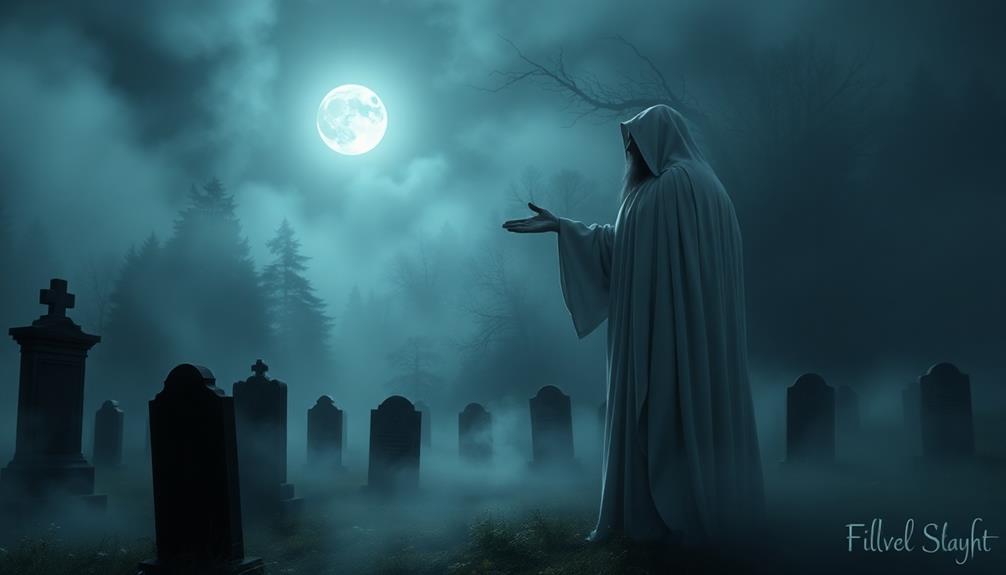
Halloween dates back to ancient Celtic festivals like Samhain, when people believed spirits roamed freely and lit bonfires to ward them off. Over time, these customs evolved, shifting from spiritual protection to festive disguises and fun costumes. Today’s Halloween combines old traditions with pop culture, but its roots in honoring spirits, marking seasonal change, and celebrating community still stay strong. If you want to explore how this haunted history shaped today’s spooky fun, keep going.

Prime made for students and young adults
- Fast, free delivery for dorm and study essentials
- Prime Video and Amazon Music included
- Member-only deals
Key Takeaways
- Halloween originates from the ancient Celtic festival Samhain, marking the end of harvest and beginning of winter.
- Celts believed spirits could cross into the living world during Samhain, prompting bonfires and costumes for protection.
- Over time, Samhain traditions merged with other cultures, evolving into modern Halloween celebrations.
- Costume-wearing shifted from spiritual protection to entertainment and self-expression in contemporary times.
- Practices like jack-o’-lanterns and trick-or-treating have roots in folklore and medieval traditions, reflecting the holiday’s evolving history.
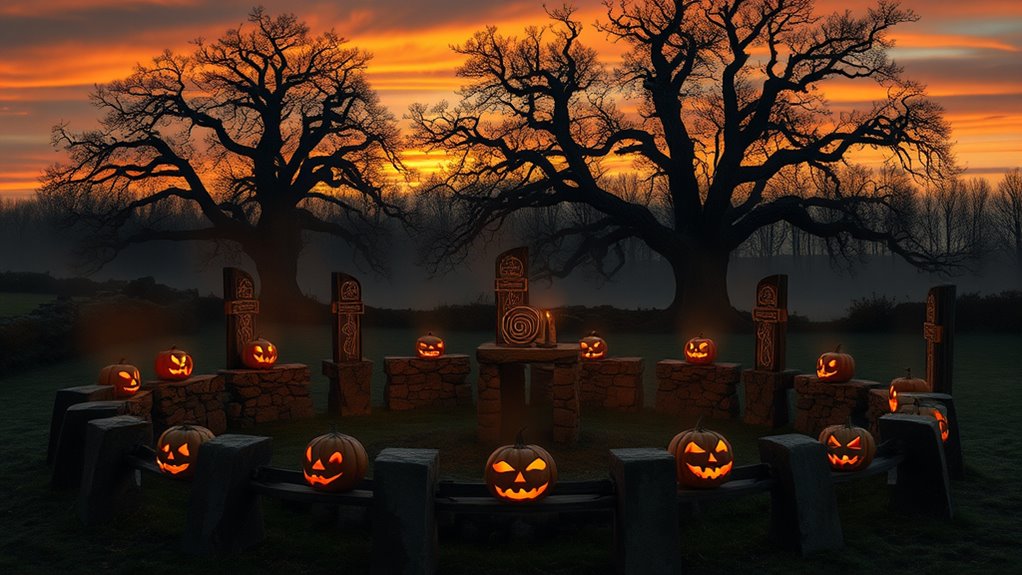
Have you ever wondered where Halloween originated? It all traces back to ancient Celtic rituals, specifically a festival called Samhain, pronounced “sow-in.” This celebration marked the end of the harvest season and the beginning of winter, a time when the Celts believed the boundary between the living and the dead blurred. During Samhain, people lit bonfires to ward off roaming spirits and wore costumes to disguise themselves from ghosts. These ancient Celtic rituals laid the groundwork for many Halloween traditions you see today. Over time, as cultures merged and traditions evolved, Samhain’s significance diminished, but the core ideas persisted. The practice of wearing costumes, for example, shifted into a way to hide from spirits, a custom that has morphed into the playful and spooky modern costume trends you now enjoy during Halloween.
Today, costumes range from spooky ghosts and witches to pop culture icons and humorous disguises. The change from ancient Celtic rituals to modern costume trends reflects a blend of history and popular culture. While the original purpose was to protect oneself from spirits, today’s costumes are more about entertainment, self-expression, and creativity. You might spend hours choosing or designing the perfect outfit, whether it’s a scary clown, a beloved superhero, or a clever pun. The evolution of costumes shows how Halloween has become a celebration rooted in fun, with a nod to its historical origins.
In addition to costumes, other traditions have also transformed from their ancient roots. Jack-o’-lanterns, for instance, originated from Irish folklore about a man named Stingy Jack, and the practice of trick-or-treating grew out of medieval practices like “souling,” where poor people would go door-to-door asking for food in exchange for prayers for the dead. Yet, despite these changes, the core themes of honoring spirits, warding off evil, and celebrating the changing seasons remain integral to Halloween. Additionally, the use of cultural heritage in celebrations underscores the importance of preserving traditional practices and knowledge, much like Indigenous wellness goods support Indigenous communities today.
Frequently Asked Questions
How Did Halloween Costumes Originate?
You might not realize it, but Halloween costumes originated from mask symbolism used in ancient times to ward off spirits. Over time, the costume evolution included dressing up as supernatural beings or figures to blend in or scare away evil spirits. Today, you wear costumes to express creativity, but their roots lie in those early traditions of disguises and symbolic masks, transforming into the diverse and fun attire you see now.
What Are the Cultural Differences in Halloween Celebrations Worldwide?
Ever wonder how Halloween varies across cultures? You’ll notice different celebration variations that reflect unique cultural traditions. In the US, costumes and trick-or-treating dominate, while in Mexico, Día de los Muertos honors ancestors with altars and parades. In Ireland, traditional games and bonfires take center stage. These differences highlight how Halloween adapts to local customs, blending old traditions with new festivities to create diverse and vibrant celebrations worldwide.
When Did Trick-Or-Treating Become Popular in America?
You’ll find that trick-or-treating became popular in America during the 1930s, gaining widespread popularity by the 1950s. During this period, kids started wearing historical costumes inspired by popular culture and folklore, making the celebration more fun and creative. Candy traditions also grew stronger, with families enthusiastically handing out sweets to children in costumes. This shift helped solidify trick-or-treating as a beloved Halloween activity nationwide.
Are There Any Ancient Halloween Superstitions Still Believed Today?
On Halloween night, you might still believe in old superstitions like ghost stories and fortune telling, which echo ancient fears. You could think that spirits wander, and luck can change with a flicker of a candle or a whispered prediction. These beliefs, though rooted in history, still cast shadows today, reminding you of a time when the boundary between the living and the dead was thin, and magic was real.
How Has Halloween Influenced Modern Pop Culture and Media?
Halloween has profoundly influenced your pop culture references and media portrayals, shaping how you see ghosts, witches, and horror stories. Movies like “Halloween” and “Hocus Pocus” embed spooky themes into your entertainment, while TV shows and commercials often play on Halloween’s traditions. You’ll notice costumes, decorations, and themed events that reflect Halloween’s impact, making it a staple in modern media and a fun, spooky part of your cultural experience.
Conclusion
So, next time you dress up or carve a pumpkin, remember Halloween’s roots in ancient Samhain rituals. Some believe that wearing costumes confuses spirits, but there’s little solid proof. Instead, it’s likely evolved into a fun, community-filled celebration. Whether you buy into ghostly legends or just enjoy the candy, Halloween’s history reminds us of our desire to connect with the mysterious and celebrate change. Embrace the spooky spirit—history’s mysteries are part of the thrill!
Fall Picks
fall essentials
As an affiliate, we earn on qualifying purchases.