Monster movies shape folklore by transforming ancient myths into vivid visual stories that reflect our societal fears and cultural values. Modern CGI enhances these legends, making mythical creatures more realistic and terrifying. Through cinema, traditional folklore gains global reach, blending old stories with new technology. This shift helps us understand universal themes and collective anxieties. Keep exploring how film influences culture, and you’ll discover even deeper connections between monsters, mythology, and society.

Prime made for students and young adults
- Fast, free delivery for dorm and study essentials
- Prime Video and Amazon Music included
- Member-only deals
Key Takeaways
- Monster movies adapt and modernize traditional folklore, preserving cultural stories through visual storytelling.
- CGI and advanced effects enable myth-inspired creatures to reach global audiences, expanding folklore’s influence.
- Films often symbolize societal fears, reflecting collective anxieties and moral lessons rooted in folklore traditions.
- The evolution of monster design bridges ancient myths with contemporary technology, blending tradition and innovation.
- Cinema fosters a cultural dialogue by reinterpreting folklore, making ancient stories relevant and accessible today.
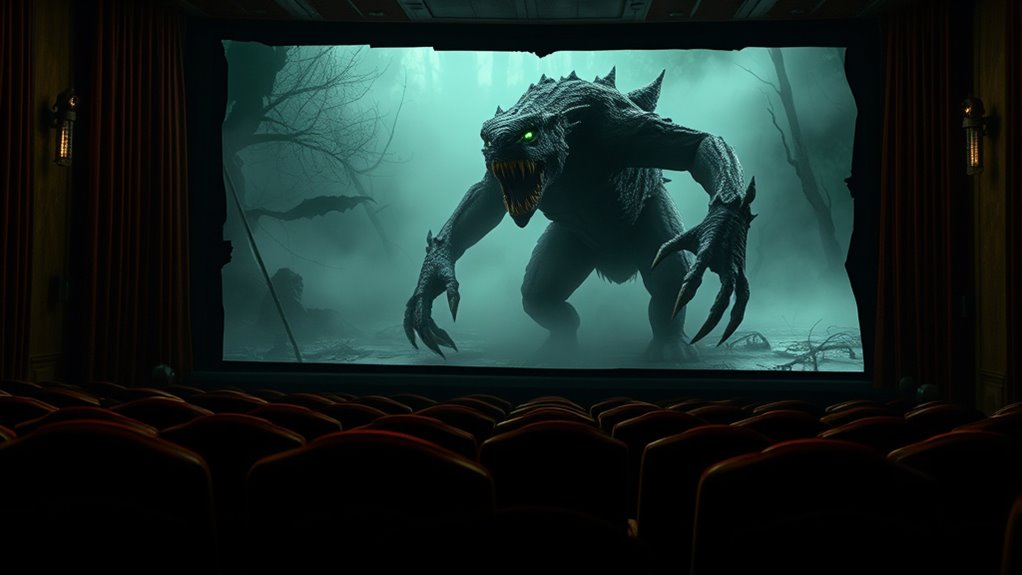
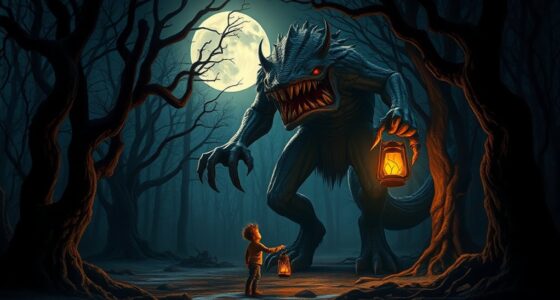
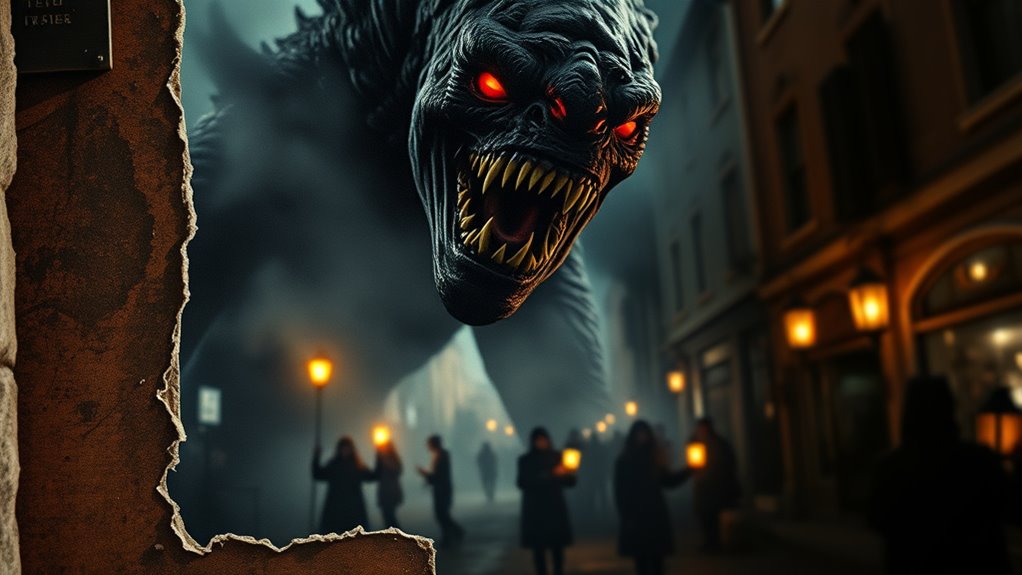
Have you ever wondered why monster movies continue to captivate audiences? It’s not just the thrill of seeing terrifying creatures on screen; it’s also how these films tap into deeper cultural symbolism. Today’s monster movies often feature CGI monsters, which have revolutionized how we perceive these beings. Instead of relying solely on practical effects, filmmakers use computer-generated imagery to craft creatures that are more realistic, more terrifying, and more awe-inspiring. CGI monsters allow filmmakers to push the boundaries of imagination, creating monsters that can fly, morph, or exhibit otherworldly powers. This technological leap makes these creatures feel more tangible and immediate, heightening our emotional response and making the monsters’ threat feel more real.
CGI monsters heighten realism, evoke emotion, and expand imagination in modern monster films.
But beyond their visual impact, monsters serve as powerful symbols within our cultures. They embody fears, anxieties, and moral lessons that resonate across different societies and eras. For example, a giant monster destroying a city can symbolize the chaos of natural disasters or the destructive potential of human hubris. These creatures often stand in for the unknown—fear of what we can’t understand or control. In many cases, monsters are allegories for societal issues, like the monster in “Godzilla” representing nuclear destruction or environmental degradation. As you watch these films, you’re not just entertained; you’re engaging with these cultural symbols, even if unconsciously. They reflect collective fears and hopes, acting as mirror images of our world.
Moreover, the evolution of CGI monsters has influenced how folklore and myths are incorporated into contemporary storytelling. In earlier times, monsters were defined by practical effects or puppetry, often rooted in local legends. Now, with CGI, filmmakers can animate creatures inspired by mythologies from around the world, blending traditional folklore with modern cinema. This fusion preserves cultural stories while giving them new life on the big screen, making ancient myths more accessible to global audiences. As you experience these movies, you’re participating in a dialogue between old stories and new technology, with CGI monsters bridging the gap between tradition and innovation. Additionally, the availability of advanced resources and tools has made it easier for creators to develop highly detailed and realistic monsters, further enriching the storytelling process.
In essence, monster movies are more than just entertainment. They serve as a canvas for cultural symbolism, reflecting and shaping societal fears and values. The use of CGI monsters elevates these films from simple scares to complex representations of human emotion and cultural identity. When you watch a monster flick, you’re engaging with a visual and symbolic language that has been evolving for centuries, now amplified by cutting-edge technology. It’s this combination of symbolism and innovation that keeps monster movies fascinating, relevant, and deeply rooted in our collective consciousness.
Frequently Asked Questions
How Have Monster Movies Influenced Modern Folklore?
Monster movies shape modern folklore by introducing pop culture references and monster archetypes that you recognize and share. They influence how you perceive creatures like vampires or werewolves, embedding these figures into everyday stories. You often see these monsters in memes, costumes, and urban legends, reinforcing their place in contemporary folklore. This blend of cinema and culture keeps these legendary beings relevant, evolving, and deeply ingrained in your collective imagination.
What Cultural Myths Inspire Monster Movie Creatures?
You’re inspired by cultural myths that shape monster movie creatures through their mythical origins and cultural symbolism. Creatures like dragons, inspired by Asian myth, symbolize power and wisdom, while vampires reflect fears of death and immortality from European legends. These mythical origins give monsters depth, making them resonate with audiences’ cultural beliefs. By drawing on cultural symbolism, filmmakers craft monsters that embody universal fears and values, enhancing their storytelling power.
Do Monster Movies Reflect Societal Fears or Anxieties?
Yes, monster movies reflect societal fears and anxieties. You see this in how they embody psychological fears like loss of control or identity, and political anxieties such as government distrust or environmental collapse. These films tap into your subconscious worries, allowing you to confront fears safely through entertainment. By doing so, monster movies serve as a mirror to societal issues, making your fears more tangible and understandable.
How Do Folklore Traditions Shape Monster Movie Narratives?
Did you know that over 60% of monster movies draw on folklore adaptations? You can see how folklore traditions shape monster movie narratives through their mythical origins, which often serve as a foundation for storytelling. These traditions influence character traits, plot elements, and symbolism, making monsters more relatable and culturally significant. By incorporating folklore, filmmakers create layered stories that resonate deeply, connecting audiences with timeless myths and societal fears.
Are There Real-World Events Behind Monster Movie Inspirations?
Yes, many monster movies draw inspiration from real-world events, often rooted in scientific origins or historical inaccuracies. You might not realize that some creatures resemble early scientific theories or exaggerated accounts of actual animals. These films sometimes blend fact and fiction to create compelling stories, making you wonder about their historical accuracy. By exploring these origins, you gain insight into how fear and curiosity shape our cinematic portrayals of monsters.
Conclusion
In the end, monster movies shape our collective imagination, turning myths into modern legends. They remind us that every monster has a story, often reflecting our deepest fears and desires. By bringing these creatures to life on screen, you see how they become woven into folklore, blurring the line between fiction and reality. Just remember, sometimes the monster under the bed is less terrifying than the one in your own mind.
Halloween Picks
halloween
As an affiliate, we earn on qualifying purchases.