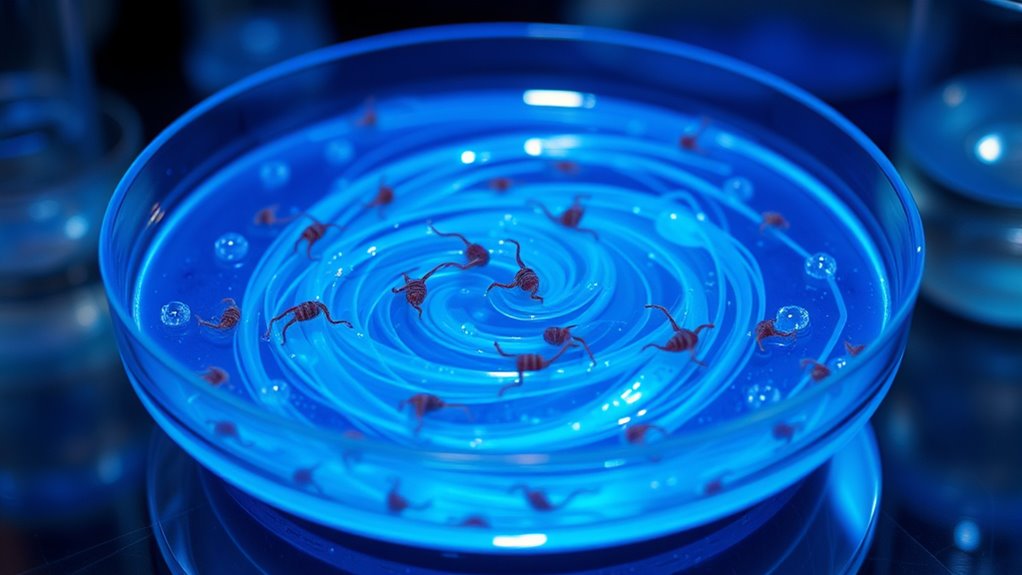

Genetic mutations and anomalies could explain cryptids like Bigfoot or the Loch Ness Monster by creating unexpected traits or hybrid features. DNA analysis from biological samples might reveal unusual mutations or genetic signatures that set these creatures apart from known species. Advances in DNA sequencing and genetic engineering make it possible to investigate their origins more scientifically. If you’re curious about how these mutations might support the idea of mythical creatures, there’s more to uncover beyond the surface.
Key Takeaways
- Genetic mutations can cause physical and behavioral anomalies observed in cryptids compared to known species.
- DNA sequencing of cryptid samples may reveal unusual genetic markers indicating recent or ancient mutations.
- Hybrid traits in cryptids could result from genetic anomalies or rare recombination events.
- Advances in genetic engineering suggest cryptids might be artificially created or modified through DNA manipulation.
- Analyzing cryptid DNA helps determine if mutations or hybridization explain their mysterious existence.

Have you ever wondered if mysterious creatures like Bigfoot or the Loch Ness Monster could have a biological basis? It’s a fascinating question that has intrigued scientists and enthusiasts alike. While many dismiss cryptids as legends or hoaxes, some researchers consider whether genetic mutations or anomalies might explain their existence. Advances in genetic engineering and DNA sequencing have opened new doors for exploring these possibilities, offering tools to analyze samples purportedly linked to cryptids. If such creatures exist, their DNA might reveal unusual mutations or hybrid traits that set them apart from known species.
DNA sequencing allows scientists to decode the genetic material from biological samples, such as hair, tissue, or environmental sources like water or soil. When examining potential cryptid remains, scientists look for genetic markers that deviate from typical animal genomes. These anomalies could indicate that the creature’s DNA has mutated in a way that results in extraordinary features—such as size, shape, or behavior—that make cryptids so elusive. In some cases, these mutations might be remnants of ancient species or rare genetic combinations that have persisted in isolated populations. By comparing these sequences with known genomes, researchers can identify unique genetic signatures that might support the existence of a biological basis for cryptids.
Genetic analysis of cryptid samples may reveal mutations or unique signatures supporting their mysterious origins.
Genetic engineering comes into play when scientists consider whether these anomalies could be artificially created or modified. Although this is highly speculative, the rapid progress in gene editing technologies like CRISPR has shown how easily DNA can be manipulated. If cryptids are the result of natural mutations, their DNA might exhibit signs of recent or ancient genetic alterations. Alternatively, some speculate that unknown or extinct species could have been brought back or preserved through genetic engineering, giving rise to creatures that resemble cryptids. While this remains theoretical, understanding how genetic engineering impacts DNA could help explain how such creatures might exist in the wild or in hidden ecosystems.
Ultimately, the combination of DNA sequencing and genetic engineering offers a promising pathway to investigate these legendary beings. While definitive proof remains elusive, analyzing cryptid DNA could uncover clues about their origins, whether they’re enigmatic mutations, hybrid creatures, or remnants of extinct species. Additionally, collaborative research involving multiple disciplines could accelerate discoveries in this intriguing field. As science continues to advance, it’s possible that someday we’ll have concrete genetic evidence that either confirms or dismisses the existence of these mysterious creatures. Until then, the idea that cryptids could have a biological basis remains an exciting intersection of folklore and cutting-edge science.
Frequently Asked Questions
Could Environmental Factors Influence Cryptid Genetic Mutations?
Yes, environmental factors like stress from habitat changes and environmental stress can influence cryptid genetic mutations. When their surroundings shift or become unstable, these creatures might develop mutations that help them adapt or survive. You should consider that such mutations could lead to unique features or behaviors, making cryptids appear mysterious or different. These environmental pressures act as catalysts, possibly triggering genetic changes that contribute to cryptid evolution and their enigmatic presence.
Are There Known Cases of Cryptid DNA Sequencing?
There are no confirmed cases of cryptid DNA sequencing, as cryptid taxonomy remains largely speculative. Researchers have attempted to analyze preserved samples or hair, but DNA preservation is often poor, making definitive sequencing difficult. While some studies suggest possible genetic links, the lack of verified genetic data means that cryptid DNA sequencing isn’t yet established in scientific literature, leaving cryptid taxonomy largely unresolved.
How Do Mutations in Cryptid DNA Differ From Normal Animals?
You notice that mutations in cryptid DNA often show unusual features compared to normal animals, such as exaggerated sizes, unique shapes, or unexpected traits. These differences stem from cryptid evolution driven by mutation mechanisms like gene duplications or structural variations. Unlike typical mutations, these alterations might be more pronounced or rare, possibly explaining the mysterious appearances and behaviors of cryptids. This ongoing genetic change keeps them distinct from known species.
Can Ancient DNA Help Explain Cryptid Origins?
Ancient DNA can be a game-changer, as fossil evidence shows that about 99% of species are now extinct. By analyzing genetic anomalies in ancient samples, you might uncover clues about cryptid origins. These anomalies could reveal hidden lineages or mutations that explain sightings of mysterious creatures. Studying ancient DNA allows you to connect cryptids with extinct species, offering new insights into how these creatures might have persisted or evolved over millennia.
What Role Do Viral Infections Play in Cryptid Mutations?
Viral infections can markedly influence cryptid mutations through viral mutations and infection pathways. When a cryptid encounters a virus, its genetic material might mutate, leading to new physical traits or behaviors. Infection pathways determine how the virus spreads within the cryptid’s body, shaping these mutations. These viral mutations could produce the unusual features associated with cryptids, making viruses a plausible factor in their mysterious origins and transformations.
Conclusion
So, next time you hear about a mysterious creature, consider that a genetic mutation might be behind it. *Curiously*, studies show that about 2% of the human genome results from ancient viral DNA, highlighting how mutations can create unexpected biological traits. Maybe some cryptids are just unusual mutations or genetic anomalies. By exploring these possibilities, you can better understand how nature’s diversity might produce legendary creatures—turning myths into fascinating scientific mysteries.