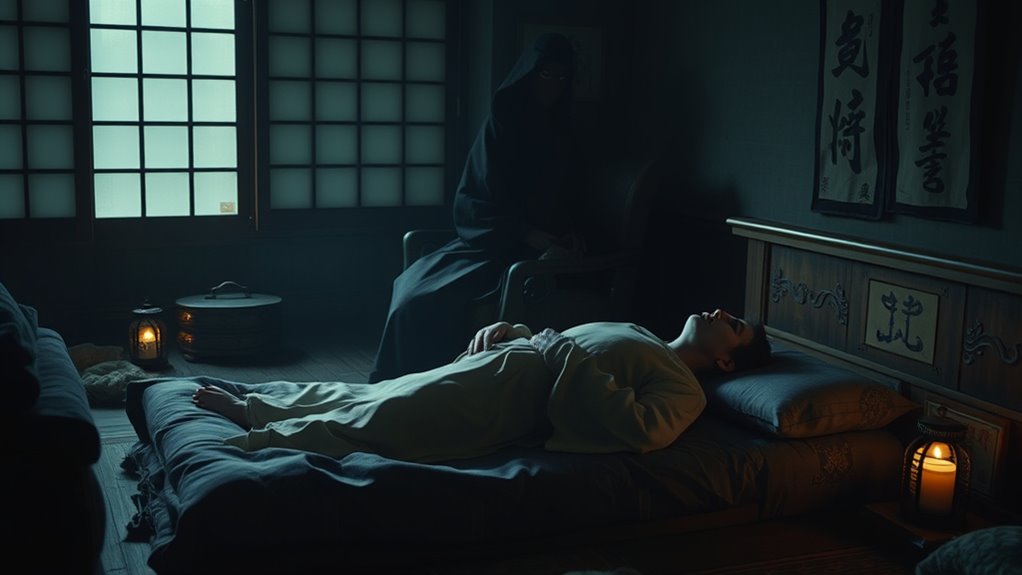

The Aufhocker, or sleep paralysis, shows how different cultures interpret a common biological event—your body’s natural progression between sleep stages. In many societies, people see these episodes as supernatural encounters or spirits, which can heighten fear. Understanding this phenomenon as a normal part of sleep helps reduce anxiety across cultures. To uncover how these beliefs shape experiences worldwide and why myths persist, keep exploring this fascinating connection.
Key Takeaways
- The Aufhocker is a cultural interpretation of sleep paralysis, often viewed as supernatural or spiritual encounters across different societies.
- Cross-cultural studies reveal varied explanations, from spirits and demons to ancestral messages, shaping individual experiences and fears.
- Cultural beliefs influence how individuals perceive, interpret, and cope with sleep paralysis episodes worldwide.
- Myths and misconceptions, fueled by cultural narratives, can intensify fear and stigma associated with the Aufhocker phenomenon.
- Understanding the biological basis of sleep paralysis promotes cross-cultural awareness, reducing superstition and encouraging scientific explanations.
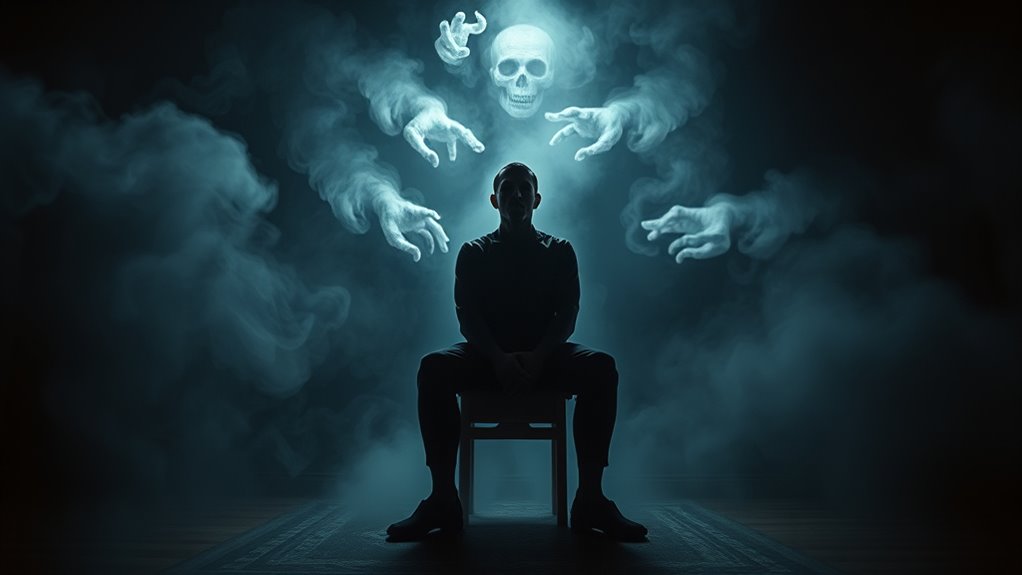
Many people experience a strange sensation known as Aufhocker, a phenomenon often linked to sleep paralysis. When you find yourself unable to move upon waking or drifting into sleep, you might feel a heavy pressure on your chest or a sudden, terrifying presence. Across different cultures, these experiences have been interpreted in various ways, shaping how individuals understand and cope with them. Cultural interpretations of sleep paralysis and phenomena like Aufhocker influence how you perceive these episodes, often coloring them with supernatural or spiritual significance. In some societies, people see these episodes as visitations from spirits or demons, which leads to fears rooted in local beliefs. Others might interpret the experience as a sign of ancestral communication or a warning. These cultural frameworks provide explanations that help people make sense of what otherwise seems inexplicable, but they can also reinforce myths surrounding sleep disorders.
Many sleep disorder myths have emerged around sleep paralysis, frequently fueled by misunderstandings and fear. For instance, some believe that experiencing Aufhocker indicates a permanent mental health issue or a sign of possession, which isn’t true. These misconceptions can cause unnecessary anxiety and stigma, making it harder for you to seek help or understand your experiences. In reality, sleep paralysis is a common sleep disorder caused by disruptions in the normal sleep cycle, particularly during transitions between REM sleep and wakefulness. Recognizing it as a natural, albeit frightening, phenomenon can help demystify the experience. Still, cultural stories about evil spirits, demons, or malevolent entities often deepen the fear, especially when these experiences are unfamiliar or misunderstood. Additionally, understanding the biological basis of sleep paralysis can help you see it as a harmless event rather than a supernatural encounter.
Understanding the cultural interpretations behind Aufhocker can empower you to approach these episodes with a more grounded perspective. Instead of fearing supernatural forces, you can see sleep paralysis as a biological event that your brain creates when your body is caught between sleep stages. Educating yourself about sleep disorder myths helps to dispel the false notions that might have been passed down through generations or media representations. Knowing this, you might find it easier to relax during episodes, reducing their intensity and frequency over time. You’re not alone in these experiences, and they don’t define your mental health or spiritual state. Recognizing the cultural influences and myths surrounding sleep paralysis allows you to confront these episodes with knowledge, easing fear and promoting understanding, rather than superstition.
Frequently Asked Questions
Are There Any Effective Treatments for Sleep Paralysis Related to the Aufhocker?
Yes, you can find effective treatments for sleep paralysis related to the aufhocker. Traditional remedies like improving sleep hygiene, reducing stress, and herbal supplements may help. Cognitive therapies, especially cognitive-behavioral therapy (CBT), can also address underlying anxieties and prevent episodes. Combining these approaches often provides the best results, helping you manage or even eliminate sleep paralysis triggers and improve your overall sleep quality.
How Does Sleep Paralysis Differ Across Various Cultures?
Imagine waking up unable to move, feeling a heavy presence. In Western cultures, sleep paralysis is often linked to nightmares or medical issues, but in some African traditions, it’s seen as a spiritual attack or a visit from spirits. Cultural symbolism and folklore variations shape these interpretations. Across cultures, sleep paralysis’s meaning shifts, influencing how people experience, interpret, and cope with these episodes, making each cultural context uniquely significant.
Can Experiencing the Aufhocker Lead to Long-Term Psychological Effects?
Experiencing the aufhocker can lead to long-term psychological trauma if you interpret it as a threatening event, especially if it clashes with your cultural identity. This trauma might cause ongoing anxiety or sleep disturbances. Cultural beliefs can influence how you process the experience, either helping you cope or intensifying feelings of fear. Recognizing these influences can help you manage potential psychological effects and foster resilience.
What Are the Common Physical Sensations During Sleep Paralysis Episodes?
During sleep paralysis, you often feel intense muscle tension and a sensation of floating or weightlessness. You might also experience a choking feeling, pressure on your chest, or a sense of being held down. These physical sensations can be frightening but are temporary. Your body’s muscle tension and floating sensations are common signs that you’re experiencing sleep paralysis, which usually lasts for a few seconds to minutes before resolving.
Is There a Scientific Explanation for the Cultural Interpretations of the Aufhocker?
Yes, there is a scientific explanation for the cultural perceptions of the aufhocker. Neurobiological explanations suggest that sleep paralysis triggers abnormal brain activity, causing hallucinations and sensations of an ominous presence. These experiences are shaped by cultural beliefs and stories, so your cultural perception influences how you interpret the episodes. Fundamentally, your cultural background helps mold the meaning you assign to these sleep paralysis phenomena, blending biology with cultural storytelling.
Conclusion
As you explore the connection between aufhocker and sleep paralysis, you’ll see how these phenomena are like mirror images across cultures, reflecting shared fears and mysteries. Just as a shadow follows you in the dark, these experiences linger in the collective subconscious, reminding us we’re not alone in our nighttime struggles. Understanding their cultural roots helps demystify your own encounters, turning fear into curiosity. Embrace the unknown, and you’ll find that even the most mysterious shadows can teach you something new.