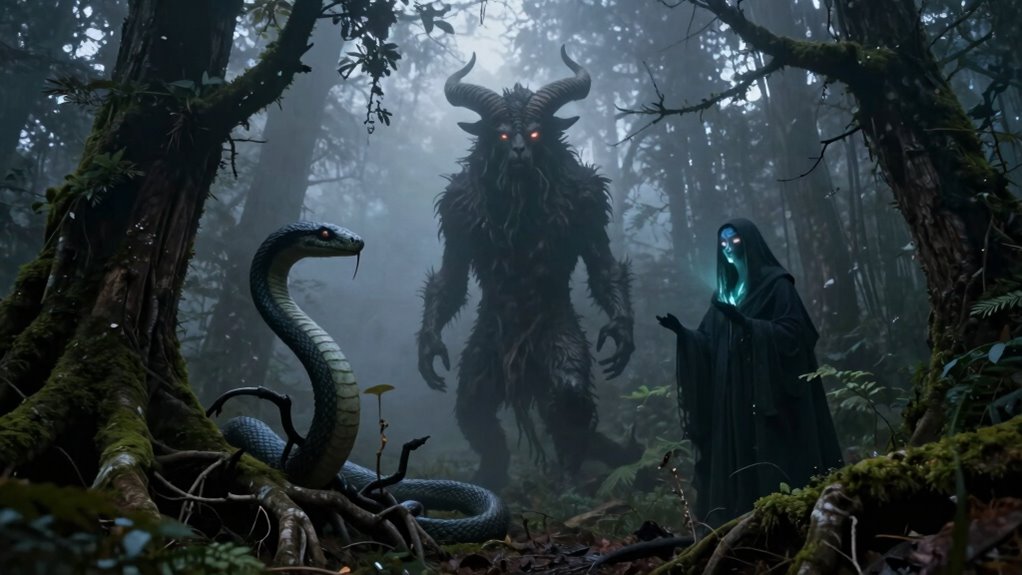

In the 20th century, mass media played a key role in making local legends into national phenomena. You see, sensational stories, newspapers, radio, and TV amplified sightings of creatures like Bigfoot and Mothman, turning them into symbols of mystery and fear. Media dramatization kept these legends alive and enthralling for generations. If you keep exploring, you’ll discover how this media-driven fascination shaped the enduring myths and cultural significance of these cryptids today.

Prime made for students and young adults
- Fast, free delivery for dorm and study essentials
- Prime Video and Amazon Music included
- Member-only deals
Key Takeaways
- The rise of mass media in the 20th century amplified cryptid stories, making them widely known and culturally significant.
- Increased public interest in mystery and exploration fueled the creation and popularity of new cryptid legends.
- Media sensationalism and dramatization transformed local legends into national phenomena, boosting their visibility.
- Scientific skepticism was challenged by media portrayals, encouraging belief and continued fascination in cryptids.
- The desire for adventure and the unknown drove storytelling, mythmaking, and the lasting legacy of cryptids during this era.

Throughout the 20th century, reports of mysterious creatures captured the imagination of Americans, fueling fears and legends that persisted despite scientific skepticism. This era saw a surge in sightings and stories of cryptids like Bigfoot, the Jersey Devil, and the Mothman, which weren’t just isolated rumors but became embedded in the cultural fabric. You might notice that these creatures gained prominence partly because of the way they were woven into the nation’s collective consciousness, driven heavily by media portrayal. Magazines, newspapers, radio shows, and later television broadcasts played an essential role in shaping how people perceived these beings. Instead of being fringe stories, cryptids were given a platform that transformed them into symbols of mystery and the unknown, enthralling audiences nationwide.
The media’s depiction of these creatures often blurred the lines between fact and fiction, encouraging a sense of wonder and suspicion simultaneously. For example, sensational headlines and dramatized stories made sightings seem more credible, fueling public curiosity and fear. This media influence created a feedback loop: sightings were reported, sensationalized, and then repeated, which reinforced the belief that these creatures might be real. As a result, cryptids evolved from local legends into national phenomena, with stories amplified through radio broadcasts and newspaper articles that reached millions. This heightened exposure kept these creatures in the public eye, making them part of American pop culture. Additionally, the media’s role in shaping perceptions contributed significantly to the enduring fascination with these stories across generations.
Your perception of these cryptids is also shaped by how they were portrayed in movies, books, and folklore, which often emphasized their mysterious and frightening qualities. The media portrayed Bigfoot as a towering, elusive beast lurking in the forests, and the Mothman as an omen of disaster, creating a sense of dread that lingered. This dramatization made it easier for the public to accept the idea that these creatures could be real, even if scientific evidence was lacking. Additionally, the proliferation of media sensationalism contributed significantly to the mythologization of these beings, amplifying their mystique and cultural significance. The cultural influence of these stories extended beyond entertainment; they became symbols of the unexplained, fueling conspiracy theories and inspiring explorers and enthusiasts to seek encounters themselves.
Furthermore, the rise of mass media in the 20th century played a crucial role in transforming these legends into shared cultural phenomena. In essence, the 20th century’s rise of classic U.S. cryptids was driven by a powerful combination of cultural influence and media portrayal. The stories became more than just local legends—they became part of America’s mythos, fueled by the media’s ability to amplify, dramatize, and perpetuate these tales. The public fascination with cryptids was also fueled by the desire for mystery and adventure, which kept these stories alive across generations. You can see how this dynamic created a lasting legacy, ensuring that these cryptids remain intriguing figures in American folklore to this day.
As an affiliate, we earn on qualifying purchases.
Frequently Asked Questions
What Psychological Factors Contributed to the Rise of Cryptid Sightings?
You’re influenced by psychological factors like mass hysteria and cognitive biases that fuel cryptid sightings. When people share stories or see something unusual, mass hysteria spreads, making others more likely to believe and report sightings. Cognitive biases, like confirmation bias, lead you to interpret ambiguous stimuli as cryptids. These factors create a feedback loop, making cryptid stories more believable and widespread, especially during times of social uncertainty.
How Did Media Influence the Popularity of 20th-Century Cryptids?
You might think media simply reports cryptids, but it actually shapes their popularity. Popular culture amplifies sightings and stories, turning urban legends into nationwide phenomena. As movies, TV shows, and books depict these creatures, your fascination grows, and sightings seem more credible. The media’s sensational coverage blurs the line between fact and fiction, fueling public interest and ensuring these cryptids remain a staple in American folklore throughout the 20th century.
Were Any Official Investigations Conducted Into These Cryptid Claims?
Yes, official investigations into these cryptid claims did happen. You’ll find government skepticism and scientific skepticism often led agencies and researchers to dismiss many sightings as hoaxes or misidentifications. While some local authorities showed interest, most scientific communities remained cautious, demanding concrete evidence before accepting such claims. These investigations aimed to separate fact from fiction, but often, cryptid sightings remained unsubstantiated despite public fascination and media hype.
How Did Regional Culture Shape the Characteristics of Cryptids?
Regional culture acts like a painter’s brush, coloring cryptids with local legends and dialects that shape their stories. You’ll notice that in each area, these creatures reflect regional fears, values, and environments. Local legends give cryptids their unique traits, making them feel like neighbors rather than strangers. Dialects add flavor, turning tales into oral traditions that resonate deeply, creating cryptids that are as diverse as the regions themselves.
What Role Did Folklore Play in the Emergence of These Cryptids?
Folklore played a vital role in the emergence of these cryptids by shaping their stories and mythic qualities. As you explore regional tales, you’ll see how myths about mythical creatures like Bigfoot or the Chupacabra originate from folklore origins, blending local beliefs and fears. These stories evolve over time, capturing community identities and fears, and fueling the belief in mysterious creatures that seem to leap from myth into reality.
As an affiliate, we earn on qualifying purchases.
Conclusion
So, as you’ve seen, the surge of classic U.S. cryptids in the 20th century wasn’t just coincidence. It’s like the era’s blend of rapid media growth, cultural shifts, and a dash of sci-fi fever fueled our imaginations. You might even say, in a way, the century’s blend of technology and storytelling made it easier to create legends that still haunt our forests and folklore. Now, who’s to say what’s real, or just a well-told story?
As an affiliate, we earn on qualifying purchases.
As an affiliate, we earn on qualifying purchases.
Halloween Picks
halloween
As an affiliate, we earn on qualifying purchases.