
Fantasy creature encyclopedia books range from broad guides to focused bestiaries rooted in a single mythology. My best overall pick is The Element Encyclopedia of Magical Creatures for readers seeking wide-ranging folklore coverage, while Encyclopedia of Things That Never Were stands out for its imaginative scope beyond creatures alone. For a more focused starting point, the Greek and Roman volume offers a clear cultural frame. The main tradeoff is breadth versus depth: a global survey offers variety, while a regional guide can give one tradition more room. Read on for the full breakdown of all 15 options and how to choose among them.

Prime made for students and young adults
- Fast, free delivery for dorm and study essentials
- Prime Video and Amazon Music included
- Member-only deals
Key Takeaways
- The Element Encyclopedia of Magical Creatures leads this roundup for readers who want broad coverage rather than a bestiary tied to one culture.
- Encyclopedia of Things That Never Were widens the subject to include imagined places and people, making it a different kind of reference from creature-only books.
- The Greek and Roman, Norse and Viking, Mesoamerican and American, Yokai, and Slavic titles offer more focused paths for readers with a specific cultural interest.
- Illustrated global bestiaries and cross-cultural surveys favor browsing and visual discovery; focused regional volumes better match readers who want a narrower subject.
- The Cryptid Creatures Encyclopedia is the clearest choice for modern legendary monsters and cryptids, while fantasy-focused titles may better suit readers seeking traditional folklore.
| Encyclopedia of Things That Never Were: Creatures, Places, and People | 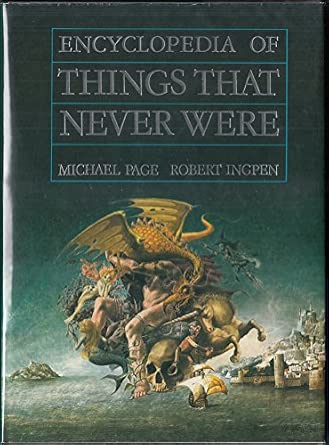 | Best for Broad Fantasy Worldbuilding | Title: Encyclopedia of Things That Never Were: Creatures, Places, and People | ASIN: 0670816078 | Book type: Encyclopedia | VIEW LATEST PRICE | See Our Full Breakdown |
| Encyclopedia of Mythical Creatures: Mesoamerican, South and North American Mythology |  | Best for Mythology of the Americas | Title: Encyclopedia of Mythical Creatures: Mesoamerican, South and North American Mythology | ASIN: 6598808677 | Format: Illustrated encyclopedia | VIEW LATEST PRICE | See Our Full Breakdown |
| Encyclopedia of Dragons & Mythical Creatures |  | Best for Dragon-Focused Browsing | Title: Encyclopedia of Dragons & Mythical Creatures | ASIN: 1838867341 | Book type: Encyclopedia, as stated in the title | VIEW LATEST PRICE | See Our Full Breakdown |
| Mythical Creatures Encyclopedia: A Visual & Informational Guide to Legendary Beasts, Monsters, Dragons, and Creatures of Folklore from Around the World (The World of Elyndor) |  | Best for Visual Global Browsing | Title: Mythical Creatures Encyclopedia: A Visual & Informational Guide to Legendary Beasts, Monsters, Dragons, and Creatures of Folklore from Around the World (The World of Elyndor) | ASIN: B0H8FJGHSC | Format: Illustrated visual and informational guide | VIEW LATEST PRICE | See Our Full Breakdown |
| The Element Encyclopedia of Magical Creatures |  | Best for a Magical-Creature Reference | Title: The Element Encyclopedia of Magical Creatures | ASIN: 0007850506 | Book type: Encyclopedia | VIEW LATEST PRICE | See Our Full Breakdown |
| Supernatural Creatures: Mythical and Sacred Creatures from Around the World |  | Best for Myth and Sacred-Tradition Range | Format: Book | Subject: Mythical and sacred creatures | Geographic scope: Cultures around the world | VIEW LATEST PRICE | See Our Full Breakdown |
| Encyclopedia of Mythical Creatures: Norse and Viking Mythology |  | Best for Norse Mythology Readers | Format: Illustrated bestiary | Subject: Norse and Viking mythology | Creature categories: Beasts, monsters, and spirits | VIEW LATEST PRICE | See Our Full Breakdown |
| Encyclopedia of Mythical Creatures: Greek and Roman Mythology |  | Best for Classical Mythology Coverage | Format: Illustrated bestiary | Subject: Greek and Roman mythology | Creature categories: Beasts, monsters, and spirits | VIEW LATEST PRICE | See Our Full Breakdown |
| Encyclopedia of Mythical Creatures – Yokai & Japanese Mythology: An Illustrated Bestiary |  | Best for Japanese Folklore Browsing | Format: Illustrated bestiary | Subject: Yokai and Japanese mythology | Named creatures: Yokai and oni | VIEW LATEST PRICE | See Our Full Breakdown |
| Encyclopedia of Mythical Creatures: An Illustrated Bestiary of Legendary Beasts, Monsters, and Spirits from Around the World |  | Best for Broad World-Mythology Scope | Format: Illustrated bestiary | Subject: Mythologies from around the world | Creature categories: Legendary beasts, monsters, and spirits | VIEW LATEST PRICE | See Our Full Breakdown |
| The Magical Bestiary: An Illustrated Encyclopedia of Mythical Creatures, Sacred Beasts & Folklore |  | Best for Broad Folklore Themes | Format: Illustrated encyclopedia | Primary subject: Mythical creatures | Additional subjects: Sacred beasts and folklore | VIEW LATEST PRICE | See Our Full Breakdown |
| The Book of Mythical Beasts and Magical Creatures (Mysteries, Magic and Myth) | 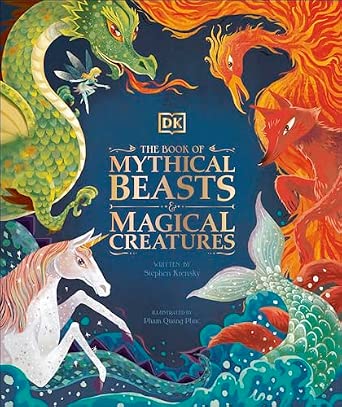 | Best for Younger or Casual Explorers | Series: Mysteries, Magic and Myth | Primary subject: Mythical beasts and magical creatures | Format: Book; further format details not provided | VIEW LATEST PRICE | See Our Full Breakdown |
| Fantasy Encyclopedia |  | Best for Genre-Broad Browsers | Title subject: Fantasy | Format: Encyclopedia | Creature coverage: Not specified in the provided product data | VIEW LATEST PRICE | See Our Full Breakdown |
| Encyclopedia of Mythical Creatures: Slavic & Eastern European Mythology – Illustrated Bestiary of Legendary Beasts, Monsters & Spirits |  | Best for Slavic and Eastern European Folklore | Format: Illustrated encyclopedia and bestiary | Primary subject: Mythical creatures | Regional coverage: Slavic and Eastern European mythology | VIEW LATEST PRICE | See Our Full Breakdown |
| The Cryptid Creatures Encyclopedia: A Legends and Myths Monster Compendium |  | Best for Cryptid and Monster-Legend Fans | Format: Encyclopedia and compendium | Primary subject: Cryptid creatures | Additional subjects: Legends, myths, and monsters | VIEW LATEST PRICE | See Our Full Breakdown |
| fantasy creature encyclopedia book | ASIN | Format |
|---|---|---|
| Encyclopedia of Things That Ne | 0670816078 | — |
| Encyclopedia of Mythical Creat | 6598808677 | Illustrated encyclopedia |
| Encyclopedia of Dragons & Myth | 1838867341 | — |
| Mythical Creatures Encyclopedi | B0H8FJGHSC | Illustrated visual and informational guide |
| The Element Encyclopedia of Ma | 0007850506 | — |
| Supernatural Creatures: Mythic | 0744098793 | Book |
| Encyclopedia of Mythical Creat | 659880860X | Illustrated bestiary |
| Encyclopedia of Mythical Creat | B0FHQ8M9DJ | Illustrated bestiary |
| Encyclopedia of Mythical Creat | 6598808790 | Illustrated bestiary |
| Encyclopedia of Mythical Creat | B0FGQFJX3V | Illustrated bestiary |
| The Magical Bestiary: An Illus | — | Illustrated encyclopedia |
| The Book of Mythical Beasts an | 146549975X | Book; further format details not provided |
| Fantasy Encyclopedia | 0753458470 | Encyclopedia |
| Encyclopedia of Mythical Creat | 6598808650 | Illustrated encyclopedia and bestiary |
| The Cryptid Creatures Encyclop | B0D321MPWZ | Encyclopedia and compendium |
More Details on Our Top Picks
Encyclopedia of Things That Never Were: Creatures, Places, and People
This title treats fantasy as a whole imagined world, rather than limiting its scope to creature entries. Its stated coverage spans creatures, places, and people, which can help readers connect beasts to the settings and characters around them. Compared with Encyclopedia of Mythical Creatures: Mesoamerican, South and North American Mythology, it appears broader in subject matter but less focused on a defined cultural tradition. The tradeoff is that the available product information does not specify its entry structure, illustration style, or how many creatures it covers, so it is harder to judge as a precise reference book. I’d choose it for imaginative browsing and worldbuilding, not for readers who want a clearly scoped, illustrated bestiary.
Pros:- Covers creatures alongside imagined places and people
- Broad scope suits worldbuilding and free-form browsing
- The encyclopedia format signals a reference-oriented approach
Cons:- No supplied details about illustrations, entry depth, or organization
- Its wide subject scope may provide less creature-specific focus than dedicated bestiaries
Best for: Fantasy readers and writers who want a reference spanning imagined creatures, places, and people rather than a creature-only guide.
Not ideal for: Readers seeking a clearly documented illustrated bestiary or detailed coverage of a specific mythology, since the supplied information gives no entry or format details.
- Title:Encyclopedia of Things That Never Were: Creatures, Places, and People
- ASIN:0670816078
- Book type:Encyclopedia
- Subjects:Creatures, places, and people
- Scope:Imagined or fantastical subjects, as indicated by the title
- Illustration details:Not provided
Our verdict“Choose this if you want creatures in a wider imaginary setting; pick the Mesoamerican, South and North American volume for a more focused mythology reference.”
Encyclopedia of Mythical Creatures: Mesoamerican, South and North American Mythology
This illustrated bestiary has a distinctive regional focus: it brings together legendary beasts, monsters, and spirits from Mesoamerican, South American, and North American traditions. That makes it a more targeted choice than Mythical Creatures Encyclopedia: A Visual & Informational Guide to Legendary Beasts, Monsters, Dragons, and Creatures of Folklore from Around the World, whose stated scope is worldwide. The illustrations give readers a visual way into the subject, while the regional framing helps keep browsing anchored in specific mythologies. The tradeoff is narrower geographic coverage: readers looking for a single book spanning global folklore may prefer the worldwide guide. The product details do not specify entry length or illustration count, so I’d treat it as a themed overview rather than assume specialist-level depth.
Pros:- Covers mythologies across three broad regions of the Americas
- Includes legendary beasts, monsters, and spirits
- Illustrated encyclopedia format supports visual browsing
- Part of a mythology and folklore series
Cons:- Regional scope leaves mythologies outside the Americas uncovered
- Entry depth and the number of illustrations are not specified
Best for: Readers, students, and mythology enthusiasts specifically seeking creature traditions from Mesoamerican, South American, and North American cultures.
Not ideal for: Buyers who want a single global bestiary or need confirmed detail on entry length, source notes, or illustration count.
- Title:Encyclopedia of Mythical Creatures: Mesoamerican, South and North American Mythology
- ASIN:6598808677
- Format:Illustrated encyclopedia
- Subject:Mesoamerican, South American, and North American mythology
- Creature types:Legendary beasts, monsters, and spirits
- Series context:Part of a mythology and folklore series
Our verdict“Pick this for an illustrated look at creature lore across the Americas; choose the worldwide visual guide for wider geographic range.”
Encyclopedia of Dragons & Mythical Creatures
Dragons are named directly in this title, giving it a clearer creature-led hook than Encyclopedia of Things That Never Were: Creatures, Places, and People, which also covers places and people. That makes this a plausible starting point for readers whose main interest is dragons alongside other mythical creatures. However, the available product data supplies no description beyond the title and ASIN. I can’t verify its cultural range, illustration style, entry depth, or how much space dragons receive compared with other beings. That uncertainty matters beside the illustrated regional coverage of Encyclopedia of Mythical Creatures: Mesoamerican, South and North American Mythology. The title signals a useful focus, but buyers who need confirmed reference features should favor a better-documented option.
Pros:- Names dragons as a central subject
- Also signals coverage of other mythical creatures
- A more creature-focused title than broad fantasy encyclopedias
Cons:- No description is supplied to confirm contents or organization
- Illustrations, cultural scope, and entry depth are unspecified
- The balance between dragon entries and other creatures is unknown
Best for: Dragon enthusiasts who want a title explicitly centered on dragons and other mythical creatures and are comfortable checking the book’s contents before buying.
Not ideal for: Readers who need confirmed illustrations, cultural coverage, or reference depth from the available product information.
- Title:Encyclopedia of Dragons & Mythical Creatures
- ASIN:1838867341
- Book type:Encyclopedia, as stated in the title
- Named subject:Dragons
- Additional named subject:Mythical creatures
- Format details:Not provided
Our verdict“Consider it if dragons are your priority, but choose the illustrated Americas volume when documented scope and format matter more.”
Mythical Creatures Encyclopedia: A Visual & Informational Guide to Legendary Beasts, Monsters, Dragons, and Creatures of Folklore from Around the World (The World of Elyndor)
This is the clearest fit for readers who want pictures and worldwide scope together: its stated coverage spans legendary beasts, monsters, dragons, and folklore creatures from many cultures, with full-color artwork and concise informational entries. That makes it broader geographically than Encyclopedia of Mythical Creatures: Mesoamerican, South and North American Mythology, while offering a more explicitly visual and creature-centered pitch than Encyclopedia of Things That Never Were: Creatures, Places, and People. The concise-entry approach favors browsing over extended study, though the description suggests more detail than some casual readers may want. Buyers seeking scholarly source notes or deep treatment of individual traditions should check the book’s contents; those details are not provided. Its main advantage is accessible, image-led comparison across folklore.
Pros:- Worldwide creature coverage spans many cultures
- Full-color illustrations make entries easier to browse visually
- Concise informational entries suit quick reference
- Includes beasts, monsters, dragons, and folklore creatures
Cons:- Concise entries may not satisfy readers seeking extensive cultural context
- The stated level of detail may feel excessive to readers wanting only quick, minimal overviews
- Source notes and the number of entries are not specified
Best for: Visual learners and curious readers who want concise entries on creatures drawn from folklore around the world.
Not ideal for: Readers who want only brief captions, specialist-level cultural analysis, or verified source-note and entry-length details.
- Title:Mythical Creatures Encyclopedia: A Visual & Informational Guide to Legendary Beasts, Monsters, Dragons, and Creatures of Folklore from Around the World (The World of Elyndor)
- ASIN:B0H8FJGHSC
- Format:Illustrated visual and informational guide
- Geographic scope:Folklore from around the world
- Creature types:Legendary beasts, monsters, dragons, and folklore creatures
- Illustration style:Full-color illustrations
- Entry style:Concise informational entries
- Series:The World of Elyndor
Our verdict“Choose this for an illustrated, concise global bestiary; select the Americas volume for a narrower regional focus.”
The Element Encyclopedia of Magical Creatures
The title’s strongest signal is its focus on magical creatures, making this a natural candidate for readers who want a reference centered on that category rather than a book about imagined people and places. Compared with Encyclopedia of Dragons & Mythical Creatures, it does not call out dragons specifically; compared with the Americas bestiary, it does not identify a cultural or regional scope. That leaves its likely audience clear but its exact usefulness harder to assess. The supplied information gives no details about illustrations, entry format, creature count, or coverage. I’d shortlist it for a broad magical-creature collection, but buyers who want confirmed visual features or defined folklore coverage have stronger evidence in the worldwide visual guide or the regional illustrated encyclopedia.
Pros:- Dedicated title focus on magical creatures
- Encyclopedia framing suggests reference use
- Does not limit its stated subject to dragons alone
Cons:- No supplied description confirms its creature range or organization
- Illustrations and entry depth are unspecified
- No geographic or cultural scope is identified
Best for: Collectors and fantasy readers looking for a reference explicitly devoted to magical creatures, without needing a stated regional focus.
Not ideal for: Readers who require confirmed illustrations, named cultural coverage, or information about entry depth before choosing a reference.
- Title:The Element Encyclopedia of Magical Creatures
- ASIN:0007850506
- Book type:Encyclopedia
- Subject:Magical creatures
- Named series or collection:Element Encyclopedia
- Illustration details:Not provided
Our verdict“Choose it as a broad magical-creature reference if the title matches your needs; prefer the worldwide visual guide for confirmed illustrations and global scope.”
Supernatural Creatures: Mythical and Sacred Creatures from Around the World
Supernatural Creatures is the broadest-sounding choice here for readers who want mythical beings alongside creatures with sacred significance. That pairing gives it a different angle from the more region-specific Encyclopedia of Mythical Creatures: Greek and Roman Mythology and the Japanese-focused Yokai & Japanese Mythology. It may suit a reader seeking cultural variety rather than a single tradition, but the supplied information does not identify which creatures appear, how entries are organized, or how much context each receives. That lack of detail makes it harder to judge its depth as a reference book. I would choose it for its stated worldwide scope, while readers who want a clearly defined mythology or illustrated bestiary format have better-documented alternatives in this lineup.
Pros:- Stated scope spans creatures from cultures around the world
- Includes both mythical and sacred creatures
- Broad subject may offer more cultural range than the Greek- and Roman-focused volume
Cons:- Available product information does not identify specific creatures or cultures
- No details are provided about entry structure or depth
- Illustrations and edition details are not specified
Best for: Readers who want a cross-cultural starting point that includes both mythical beings and sacred creatures.
Not ideal for: Buyers who need a confirmed creature list, a stated illustration style, or detailed edition information before choosing a reference book.
- Format:Book
- Subject:Mythical and sacred creatures
- Geographic scope:Cultures around the world
- ASIN:0744098793
- Creature categories:Mythical creatures; sacred creatures
- Edition details:Not provided
Our verdict“Choose this for its promised mix of worldwide mythology and sacred traditions, but pick a more fully described title if format and coverage need to be clear up front.”
Encyclopedia of Mythical Creatures: Norse and Viking Mythology
This illustrated bestiary narrows its focus to Norse and Viking mythology, making it a more targeted pick than Supernatural Creatures, whose stated scope spans cultures around the world. The described range of beasts, monsters, and spirits gives readers several kinds of legendary beings to explore within one tradition, while the illustrated reference format should help distinguish creatures visually. That focus is also its limit: readers looking for a survey across multiple mythologies may get more variety from Encyclopedia of Mythical Creatures: Greek and Roman Mythology or the around-the-world bestiary. The provided details do not specify entry length, historical context, or illustration quantity, so I would not assume scholarly depth from the encyclopedia label alone. Its strongest fit is someone who values a clear Norse subject over global breadth.
Pros:- Clearly defined Norse and Viking mythology focus
- Covers beasts, monsters, and spirits
- Illustrated bestiary format supports visual browsing
Cons:- Narrow regional scope offers less cross-cultural variety
- Entry length and historical context are not specified
- The available details do not describe the quantity or style of illustrations
Best for: Readers building a reference shelf around Norse and Viking legends, especially those who prefer illustrated creature entries.
Not ideal for: Readers seeking a broad survey of world folklore or detailed information about entry depth and historical sourcing.
- Format:Illustrated bestiary
- Subject:Norse and Viking mythology
- Creature categories:Beasts, monsters, and spirits
- Genre:Mythology and folklore
- Illustrated:Yes
- ASIN:659880860X
Our verdict“Choose this if Norse and Viking creatures are your priority; for wider cultural range, favor a global bestiary instead.”
Encyclopedia of Mythical Creatures: Greek and Roman Mythology
For readers drawn to classical legends, this illustrated bestiary brings Greek and Roman mythology together rather than treating one tradition in isolation. Its stated coverage of beasts, monsters, and spirits gives it a wider creature mix than a title centered on one type of being. Compared with Encyclopedia of Mythical Creatures: Norse and Viking Mythology, it trades northern European focus for two closely linked ancient traditions; against Supernatural Creatures, it offers a much clearer subject boundary but less stated geographic breadth. The supplied information does not explain how the two traditions are distinguished, or how much lore accompanies each entry. That leaves readers without a clear measure of depth, but the defined subject and illustrated format make this a practical pick for a classical-mythology shelf.
Pros:- Combines Greek and Roman mythology in one volume
- Includes beasts, monsters, and spirits
- Illustrated bestiary format offers visual reference value
Cons:- Coverage is limited to two ancient traditions
- The available description does not clarify how Greek and Roman material is separated
- Entry detail and illustration quantity are unspecified
Best for: Readers interested in comparing legendary creatures from Greek and Roman mythology through an illustrated reference format.
Not ideal for: Buyers seeking worldwide folklore coverage or a detailed preview of entry depth and cultural distinctions.
- Format:Illustrated bestiary
- Subject:Greek and Roman mythology
- Creature categories:Beasts, monsters, and spirits
- Genre:Mythology and folklore
- Illustrated:Yes
- ASIN:B0FHQ8M9DJ
Our verdict“Pick this for a focused illustrated reference to Greek and Roman creatures, not for a broad survey of global folklore.”
Encyclopedia of Mythical Creatures – Yokai & Japanese Mythology: An Illustrated Bestiary
Yokai & Japanese Mythology is the most specific cultural pick in this group, naming yokai and oni while describing concise folklore summaries and organized entries. Those details make it easier to picture how browsing may work than with Supernatural Creatures, whose entry structure is not given. Vivid artwork also gives this volume a stronger visual-reference promise than the Norse and Greek-Roman bestiaries, which are described as illustrated but without further art details. The tradeoff is its narrower appeal: readers wanting a general tour of worldwide creatures may prefer Encyclopedia of Mythical Creatures: An Illustrated Bestiary of Legendary Beasts, Monsters, and Spirits from Around the World. The description mentions global mythological creatures as well as Japanese material, but does not clarify the balance, so buyers seeking equal coverage across cultures should check that distinction.
Pros:- Names yokai and oni as subjects
- Describes vivid artwork and concise folklore summaries
- Organized entries support browsing
- Connects Japanese mythology with wider creature traditions
Cons:- Japanese folklore focus may be too specialized for general world-mythology readers
- The balance between Japanese and global coverage is not explained
- No entry count or illustration specifications are provided
Best for: Readers focused on yokai, oni, and Japanese folklore who want browsable entries with artwork and concise summaries.
Not ideal for: Readers who need a balanced, broad survey of many cultures or who are not especially interested in Japanese mythology.
- Format:Illustrated bestiary
- Subject:Yokai and Japanese mythology
- Named creatures:Yokai and oni
- Content:Folklore summaries and creature entries
- Entry organization:Organized entries
- Artwork:Vivid illustrations
- ASIN:6598808790
Our verdict“Choose this for an illustrated, browse-friendly route into yokai and Japanese folklore; choose a global bestiary for broader cultural balance.”
Encyclopedia of Mythical Creatures: An Illustrated Bestiary of Legendary Beasts, Monsters, and Spirits from Around the World
This title makes the clearest promise of worldwide creature coverage: legendary beasts, monsters, and spirits drawn from mythologies around the world, presented as an illustrated bestiary. That gives it a broader stated remit than the Norse, Greek-Roman, and Japanese-focused books, which trade global range for cultural specificity. It may be the better match for readers who want to browse across traditions without choosing one region first. The tradeoff is limited product detail: unlike Yokai & Japanese Mythology, the description does not mention concise summaries or organized entries, and it gives no examples of cultures or creatures included. I would treat its global scope as a useful starting point, not proof of balanced coverage or detailed folklore context.
Pros:- States a worldwide mythology scope
- Covers legendary beasts, monsters, and spirits
- Illustrated bestiary format is suited to visual browsing
Cons:- No specific cultures or creatures are identified in the provided description
- Entry organization and folklore detail are not described
- The breadth of coverage cannot be judged from the available information
Best for: Readers who want an illustrated starting point spanning creatures from multiple world mythologies rather than one cultural tradition.
Not ideal for: Buyers who require named cultures, sample creatures, entry-format details, or confirmation of how evenly global traditions are represented.
- Format:Illustrated bestiary
- Subject:Mythologies from around the world
- Creature categories:Legendary beasts, monsters, and spirits
- Genre:Mythology and folklore
- Illustrated:Yes
- ASIN:B0FGQFJX3V
Our verdict“Choose this for a broad illustrated overview, but select a culture-specific volume if you want clearer subject boundaries and more detailed format information.”
The Magical Bestiary: An Illustrated Encyclopedia of Mythical Creatures, Sacred Beasts & Folklore
The Magical Bestiary is the strongest fit here for readers drawn to the overlap between legendary creatures, sacred animals, and folklore. That framing promises more than a monster roster: it gives the book room to connect beings with the traditions and beliefs around them. Compared with Encyclopedia of Mythical Creatures: Slavic & Eastern European Mythology, which has a defined regional focus and described entry artwork, this title appears broader in theme but comes with far less supplied detail about its organization, coverage, or illustration style. That makes it appealing as a general-interest starting point, while leaving less certainty for readers who want a tightly scoped reference. I would choose it for its stated range, not assume a particular depth or page-by-page format.
Pros:- Covers mythical creatures alongside sacred beasts and folklore
- Illustrated format is stated in the title
- Broad thematic scope can suit readers with varied mythology interests
Cons:- The available description gives no specifics about individual entries or coverage depth
- No supplied details confirm how the material is organized for quick reference
- Its broad framing offers less regional specificity than the Slavic-focused encyclopedia in this lineup
Best for: Readers seeking a general-interest illustrated reference that brings mythical creatures, sacred beasts, and folklore together
Not ideal for: Buyers who need confirmed regional coverage, entry-level detail, or specific format information before choosing a reference book
- Format:Illustrated encyclopedia
- Primary subject:Mythical creatures
- Additional subjects:Sacred beasts and folklore
- Regional scope:Not specified in the provided product data
- Entry structure:Not specified in the provided product data
- Illustration details:Illustrated; further details not provided
Our verdict“Choose this for a broad, illustrated introduction to creature lore and sacred-beast traditions, but not when you need a clearly documented specialist reference.”
The Book of Mythical Beasts and Magical Creatures (Mysteries, Magic and Myth)
The Book of Mythical Beasts and Magical Creatures has the most approachable-sounding positioning in this group: its title pairs beasts with magical creatures, while the Mysteries, Magic and Myth series label suggests a wider, accessible subject collection. The supplied information does not confirm an age range, reading level, illustrations, or entry format, so I would treat that audience fit as an inference rather than a guarantee. Compared with Fantasy Encyclopedia, this book makes its creature focus explicit; compared with The Magical Bestiary, it gives less emphasis to sacred beasts and folklore as separate themes. The tradeoff is a clear, inviting subject label without enough detail to judge how thoroughly the book works as a reference.
Pros:- Title clearly centers mythical beasts and magical creatures
- Series framing places the subject alongside mysteries, magic, and myth
- Creature-specific focus is clearer than the broad title Fantasy Encyclopedia
Cons:- The provided data does not describe the book’s entry structure or depth
- No illustration or age-level information is supplied
- The scope and cultural coverage cannot be determined from the available description
Best for: Casual readers and families choosing a clearly creature-focused title within a broader mysteries-and-myths series
Not ideal for: Researchers or collectors who need verified information about illustrations, entry depth, age level, or regional traditions
- Series:Mysteries, Magic and Myth
- Primary subject:Mythical beasts and magical creatures
- Format:Book; further format details not provided
- Regional scope:Not specified in the provided product data
- Illustrations:Not specified in the provided product data
- ASIN:146549975X
Our verdict“Pick this as a plainly labeled creature-themed entry in a myth-and-magic series, but choose a better-documented title for reference depth or specific folklore coverage.”
Fantasy Encyclopedia
Fantasy Encyclopedia is the widest-sounding title in this batch, which may suit readers who want fantasy as a genre rather than a book limited to folklore creatures. That breadth is also its main uncertainty: the supplied description does not say whether mythical beings are the focus, one section among many, or simply part of a broader fantasy overview. By contrast, The Book of Mythical Beasts and Magical Creatures states its creature subject directly, while The Magical Bestiary names folklore and sacred beasts as well. I would rank this as a genre-browsing option, not the safest choice for someone specifically building a creature encyclopedia shelf. With no detail on entries, artwork, or cultural scope, buyers have little basis for judging its reference value.
Pros:- Broad fantasy framing may appeal beyond mythology specialists
- Encyclopedia format is stated in the title
- Could complement narrower creature books such as The Book of Mythical Beasts and Magical Creatures
Cons:- The available description does not confirm that mythical creatures are a central focus
- No supplied information about coverage, illustrations, or entry layout
- Less directly matched to a creature-encyclopedia request than the other titles in this batch
Best for: Readers who want a broad fantasy reference and are comfortable with mythical creatures potentially being only part of its coverage
Not ideal for: Buyers seeking a confirmed bestiary, folklore-by-culture organization, or documented illustrated creature entries
- Title subject:Fantasy
- Format:Encyclopedia
- Creature coverage:Not specified in the provided product data
- Regional scope:Not specified in the provided product data
- Illustrations:Not specified in the provided product data
- ASIN:0753458470
Our verdict“Choose this only if you want a broad fantasy reference and can accept that its creature coverage is not specified.”
Encyclopedia of Mythical Creatures: Slavic & Eastern European Mythology – Illustrated Bestiary of Legendary Beasts, Monsters & Spirits
Encyclopedia of Mythical Creatures: Slavic & Eastern European Mythology is the clearest specialist pick in this set: its region is explicit, and the described entries pair creature explanations with artwork. That focus can give readers a more coherent route into one folklore tradition than the broader The Magical Bestiary, whose supplied description spans creatures, sacred beasts, and folklore without naming a region. The cost of that specificity is limited breadth: readers seeking a global survey may find this title too narrow, and the description does not establish how many traditions or creatures receive coverage. Its organized layout is a practical advantage for returning to particular beasts, while the niche scope makes it less suitable as a single all-purpose fantasy-creature encyclopedia.
Pros:- Explicit focus on Slavic and Eastern European mythology
- Artwork accompanies the creature entries
- Organized layout is described as reference-friendly
- Includes legendary beasts, monsters, and spirits
Cons:- Regional specialization limits its usefulness as a global creature guide
- The supplied description does not quantify the breadth or depth of coverage
- Readers seeking a general folklore introduction may prefer the broader framing of The Magical Bestiary
Best for: Readers researching Slavic and Eastern European folklore who want illustrated, organized entries on legendary beasts, monsters, and spirits
Not ideal for: Readers looking for a broad world mythology survey or a single reference covering many unrelated folklore regions
- Format:Illustrated encyclopedia and bestiary
- Primary subject:Mythical creatures
- Regional coverage:Slavic and Eastern European mythology
- Creature types:Legendary beasts, monsters, and spirits
- Entry content:Descriptions and artwork
- Layout:Organized reference layout
- ASIN:6598808650
Our verdict“Choose this for an illustrated, region-specific reference on Slavic and Eastern European legendary beings, not as a worldwide bestiary.”
The Cryptid Creatures Encyclopedia: A Legends and Myths Monster Compendium
The Cryptid Creatures Encyclopedia stands apart by centering cryptids and monster legends rather than mythical creatures across folklore traditions. That makes it a more targeted choice for readers interested in beings reported or remembered through legends and myths, while Encyclopedia of Mythical Creatures: Slavic & Eastern European Mythology offers a defined cultural lens and described illustrations. The cryptid title could fill a useful niche beside broader bestiaries, but the supplied description does not identify specific creatures, geographic range, artwork, or entry depth. I would not assume it functions as a verified field guide or a world-spanning folklore reference. Its value for a buyer depends on wanting the cryptid angle specifically; readers after sacred beasts or traditional mythology coverage may be better served elsewhere in this lineup.
Pros:- Cryptids are the stated central subject
- Connects monster coverage with legends and myths
- Distinct niche can complement broader mythical-creature encyclopedias
Cons:- No specific creatures or regions are identified in the supplied description
- Illustrations and entry depth are not described
- Its cryptid emphasis may miss readers seeking traditional folklore or sacred-beast coverage
Best for: Readers specifically interested in cryptids and monster stories drawn from legends and myths
Not ideal for: Buyers seeking a region-by-region mythology reference, confirmed illustrations, or detailed coverage of sacred and folkloric beasts
- Format:Encyclopedia and compendium
- Primary subject:Cryptid creatures
- Additional subjects:Legends, myths, and monsters
- Regional scope:Not specified in the provided product data
- Illustrations:Not specified in the provided product data
- ASIN:B0D321MPWZ
Our verdict“Choose this for a cryptid-centered collection of monster legends, but pick a region-specific bestiary for more defined folklore coverage.”

How We Picked
I compared the 15 books by the kind of reference experience their titles and stated scope promise: broad or regional coverage, emphasis on folklore or fantasy, creature-only focus, and use of illustrated-bestairy framing. I gave higher placement to options that appear suited to a wider range of readers while keeping their subject clear, then placed specialized books according to how well they serve readers seeking a particular mythology or creature tradition.
Ranking also reflects likely usability: whether a reader can browse across subjects, follow a cultural thread, or use the book as a visual introduction. A broad title is not automatically better than a focused one; it ranks higher only for readers who want range. Since the available product details do not establish page counts, image quality, or editorial accuracy, I do not treat those as verified advantages. Each pick has a distinct audience, and readers should check a current listing or sample pages when those details matter.
Factors to Consider When Choosing Fantasy Creature Encyclopedia Books
Before choosing among fantasy creature encyclopedia books, decide what you want the book to do: introduce many traditions, deepen one area of interest, or provide a visually browsable bestiary. The right fit depends less on the word “encyclopedia” on the cover than on the book’s scope and intended reading style.
Choose breadth or cultural depth
A worldwide collection can help readers compare how different cultures describe legendary beings, but entries may have less space to explore any single tradition. A regional title gives a clearer path for readers studying, say, Norse, Greek, Japanese, or Slavic folklore. A common mistake is to assume a global title gives the same depth as a specialist volume. If you are buying for a specific course, family heritage interest, or mythology collection, confirm that the relevant tradition receives sustained attention. If you mainly want variety and browsing, breadth may matter more than detail.
Separate folklore from invented fantasy
Books in this category can mix recorded myth, folklore, sacred beings, and modern fantasy conventions, but those subjects are not interchangeable. A title with “fantasy” in its name may be less useful for cultural research than a book organized around a defined mythology. Check the description and sample pages for source notes, cultural context, and distinctions between traditional accounts and later adaptations. If you want inspiration for games or fiction, a flexible creature collection may suit you well. For learning about a tradition, prioritize clear context over a large number of creature names.
Decide how important illustrations are
An illustrated bestiary can make unfamiliar creatures easier to compare and more enjoyable to browse, especially for younger readers or visual learners. Yet the label “illustrated” does not tell you how many images appear, whether they are detailed, or whether captions add useful information. Look for sample spreads before choosing a book primarily for its art. A text-forward reference may serve researchers better, while a visual guide can be a stronger shared-reading choice. Avoid paying extra for a visual format if you mainly need definitions and cultural background.
Match the format to the reader and occasion
For a first mythology book, a clearly organized and approachable guide may be easier to use than a dense reference with many unfamiliar names. For a collector or experienced folklore reader, a specialized volume can fill a more meaningful gap than another broad survey. If the book is a gift, consider whether the recipient enjoys browsing, focused research, or imaginative creature lore. Check the edition’s age guidance and reading level rather than assuming that an encyclopedia is written for adults. Also verify the physical format and dimensions if portability or display matters.
Check the book’s actual reference tools
Alphabetical entries, indexes, glossaries, pronunciation guidance, and source notes can matter more for repeated reference than a large headline creature count. These features are not guaranteed by the word “encyclopedia,” so check the table of contents and sample pages. An index is especially useful when a reader wants to return to a creature without remembering its cultural section. Bibliographic notes can help separate a quick overview from a book suitable for further reading. If the purchase is for research, prioritize these tools over cover claims about scope.
Avoid choosing by creature count alone
A long list of beings can sound impressive but may offer only brief descriptions, while a smaller collection can provide more context per entry. Consider whether you want a fast survey, a reading experience, or a reference you can consult over time. Compare how the book groups creatures: by culture, type, alphabet, or theme. Organization shapes how easily a reader can answer questions and discover related beings. A focused structure often beats sheer volume when the reader already knows what they want to explore.
Frequently Asked Questions
Which kind of fantasy creature encyclopedia is best for a first-time reader?
A broad, clearly organized guide is usually the easiest starting point because it introduces multiple kinds of creatures without asking the reader to know one mythology in advance. Look for readable entries, a useful index, and context that explains where a story or creature comes from. A regional volume can still be a good first book if the reader already has a strong interest in that culture. Do not assume that the thickest or most densely titled book is the most beginner-friendly. Sample pages can show whether the writing feels approachable.
Should I choose a worldwide bestiary or a book about one mythology?
Choose a worldwide bestiary if your main goal is discovery and comparison across traditions. Choose a focused title if you want more sustained attention to one cultural setting, such as Japanese, Greek and Roman, or Slavic mythology. Broad coverage can introduce more variety, but it may not satisfy readers seeking detailed cultural context. Specialist books can feel narrow if the reader wants to browse freely among unrelated creatures. Think about the questions the reader will ask after opening the book, not just the number of traditions listed on the cover.
Are fantasy creature encyclopedias reliable sources for school research?
They can be useful starting points, but the word “encyclopedia” alone does not establish academic reliability. Check for source notes, bibliographies, cultural context, and clear separation between traditional accounts and modern retellings. A specialized mythology title may provide a more relevant overview than a general fantasy collection, though it may still need to be supplemented with scholarly sources. For a school assignment, verify key claims against sources recommended by a teacher or library. Treat unsourced creature summaries as leads for further research rather than final citations.
Is an illustrated bestiary a better choice than a text-heavy reference?
It depends on how the book will be used. Illustrations can help readers remember unfamiliar forms and make casual browsing more inviting, while text-heavy references may offer more room for descriptions and context. The word “illustrated” does not guarantee extensive artwork or informative captions, so inspect sample pages if art is a deciding factor. For younger readers or shared reading, visual presentation may help maintain interest. For research or close comparison, indexes and explanatory text may matter more.
What should I check before buying a book about cryptids or regional folklore?
Check that the book’s scope matches the subject you want: cryptids and modern monster legends are not the same as a traditional mythology survey. For regional folklore, look for explicit cultural coverage and signs that entries have context rather than being a name list. Review the table of contents, sample pages, edition details, and any source references available. If the book is for a particular reader, confirm the reading level and whether the tone suits them. These checks can prevent buying a visually appealing title that covers a different subject than expected.
Conclusion
Best overall: I recommend The Element Encyclopedia of Magical Creatures for readers who want a wide-ranging creature reference. Best for variety beyond beasts: choose Encyclopedia of Things That Never Were, which also reaches into imagined places and people. Best for beginners: a focused mythology volume such as Encyclopedia of Mythical Creatures: Greek and Roman Mythology gives newcomers a clear cultural starting point. Best for specialist interests: pick the Norse and Viking, Mesoamerican and American, Yokai, or Slavic volume that matches the tradition you want to explore; for cryptid lore, choose The Cryptid Creatures Encyclopedia. Best value: I would favor the broadest book that genuinely matches the reader’s interests rather than paying for scope they will not use. For a final choice, decide whether cultural depth, visual browsing, or cross-cultural variety matters most.
Halloween Picks
halloween
As an affiliate, we earn on qualifying purchases.