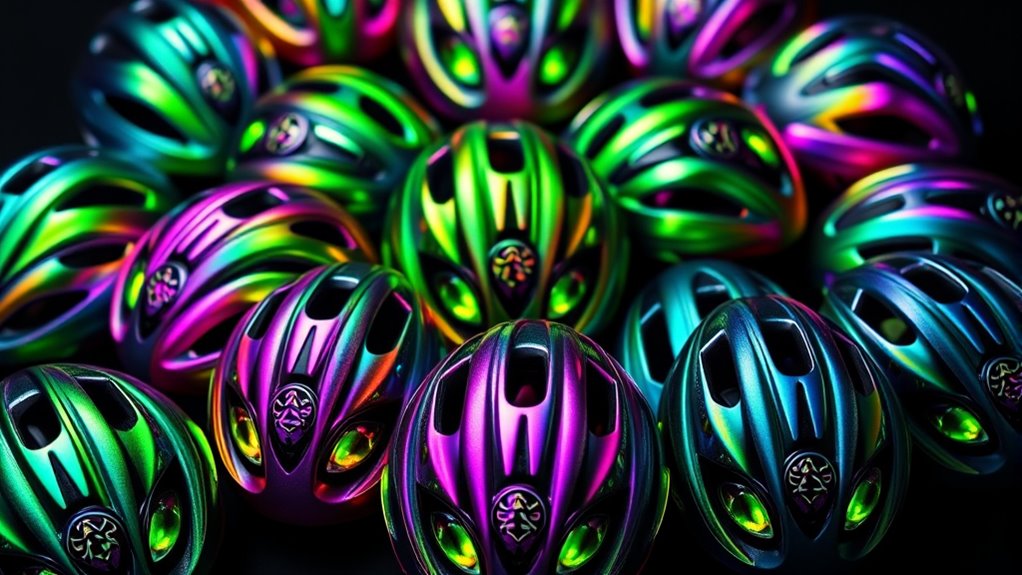
Choosing the right alieneye cycling helmet in 2026 means balancing advanced safety features, comfort, and fit. The Smith Persist stands out for its lightweight design and zonal Koroyd impact absorption, making it ideal for riders seeking comfort on longer rides. Meanwhile, the MET Vinci offers excellent ventilation and safety with MIPS C-2 technology, perfect for daily commuters who prioritize visibility and convenience. Both options make different tradeoffs: the Smith excels in ventilation and weight, while the MET provides versatile features for urban riding. Here’s how they compare in detail.

Prime made for students and young adults
- Fast, free delivery for dorm and study essentials
- Prime Video and Amazon Music included
- Member-only deals
Key Takeaways
- The Smith Persist prioritizes lightweight comfort and zonal impact absorption with Koroyd technology.
- The MET Vinci emphasizes safety, ventilation, and convenience features like a sunglasses port and reflective stickers.
- Weight and fit adjustability vary, with the Smith being lighter and more suited for performance riding.
- Both helmets meet strict safety standards but target different rider needs—casual versus performance.
- Tradeoffs include the Smith’s less casual design and the MET’s limited size range.
| Smith Persist Cycling Helmet with MIPS and Zonal Koroyd Coverage |  | Best for Lightweight Comfort and Advanced Impact Absorption | Technology: MIPS Safety Protection System | Coverage: Zonal Koroyd | Ventilation: 21 fixed vents | VIEW ON AMAZON | See Our Full Breakdown |
| MET Vinci MIPS Helmet |  | Best for Urban Safety and Everyday Convenience | Size: Small, 52–56 cm/20.47–22.04 inches | Weight: 255 grams/0.56 lbs | Compatibility: MET DUO USB LED Light | VIEW ON AMAZON | See Our Full Breakdown |
| alieneye cycling helmet | Technology | Coverage | Ventilation | Standards |
|---|---|---|---|---|
| Smith Persist Cycling Helmet w | MIPS Safety Protection System | Zonal Koroyd | 21 fixed vents | CPSC, CE EN 1078, AS/NZS 2063 |
| MET Vinci MIPS Helmet | — | — | — | — |
More Details on Our Top Picks
Smith Persist Cycling Helmet with MIPS and Zonal Koroyd Coverage
The Smith Persist makes a compelling case for riders who want impact protection without sacrificing weight or ventilation. Its zonal Koroyd coverage enhances energy absorption during impacts, and MIPS adds an extra layer of safety against rotational forces. Compared with the MET Vinci, it’s lighter and better ventilated, making it ideal for longer, more intense rides. However, its design leans toward performance cycling and might not appeal as much to casual riders or those seeking a more casual aesthetic. The dial fit system allows for a personalized, secure fit, but the lack of casual styling limits its appeal outside of performance contexts.
Pros:- Lightweight and highly ventilated for extended comfort
- Advanced impact absorption with Koroyd and MIPS
- Adjustable fit via dial system for personalized comfort
Cons:- Design may seem too performance-focused for casual riders
- No clear price information available, which could hinder budget-conscious buyers
Best for: Performance-oriented cyclists seeking lightweight, high-impact protection
Not ideal for: Casual or urban riders who prioritize style over performance
- Technology:MIPS Safety Protection System
- Coverage:Zonal Koroyd
- Ventilation:21 fixed vents
- Standards:CPSC, CE EN 1078, AS/NZS 2063
- Adjustability:Dial fit system
Our verdict“This helmet is best suited for riders who prioritize lightweight design and high-impact protection during performance cycling.”
MET Vinci MIPS Helmet
The MET Vinci offers a well-rounded option for everyday cyclists, combining safety with urban-friendly features. Its MIPS C-2 system enhances rotational impact protection, while 16 vents promote excellent airflow, ideal for city commutes or daily errands. Features like the sunglasses port and reflective stickers boost visibility and convenience, making it a popular choice for urban riders. Its slightly heavier weight compared to ultra-light helmets is a minor tradeoff considering its added features. The helmet’s size range is limited to small, which might restrict some users, but for its target demographic, it provides a versatile, safety-conscious option.
Pros:- Excellent ventilation with 16 vents for breathability
- Enhanced safety via MIPS C-2 technology
- Includes features like a sunglasses port and reflective stickers
Cons:- Limited to small size range, which could exclude some riders
- Slightly heavier than ultra-light helmets, potentially less ideal for long rides
Best for: Urban cyclists and daily commuters seeking safety and convenience
Not ideal for: Long-distance performance riders or those needing larger size options
- Size:Small, 52–56 cm/20.47–22.04 inches
- Weight:255 grams/0.56 lbs
- Compatibility:MET DUO USB LED Light
- Safety Standard:Meets U.S. CPSC Safety Standard for bicycle helmets ages 5+
Our verdict“This helmet offers a strong mix of safety, ventilation, and urban-friendly features, making it ideal for daily city riding.”
How We Picked
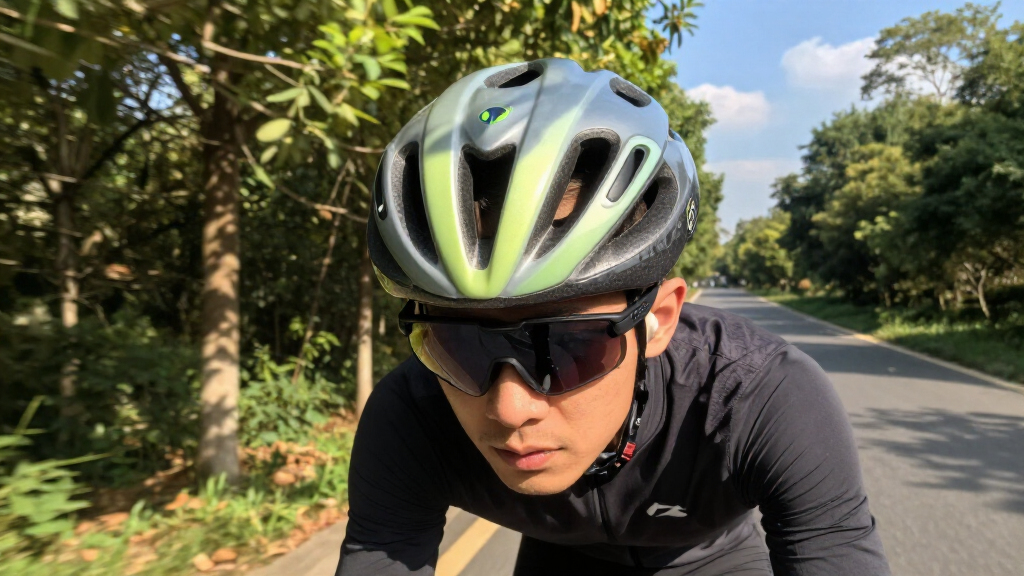
In selecting the best alieneye cycling helmets for 2026, I focused on safety features like MIPS technology, impact absorption materials, and ventilation. I prioritized helmets that balance comfort with protection, considering user reviews and industry standards. I aimed to include options that cater to different riding styles—performance, urban commuting, and everyday use—while ensuring they meet or exceed safety certifications. Price was a secondary factor, with a preference for well-rounded helmets that offer good value and durability.
Factors to Consider When Choosing Alieneye Cycling Helmets
When choosing an alieneye cycling helmet, it’s important to consider safety technology, comfort, and how well the helmet suits your riding style. The key differences among options often come down to impact protection features, ventilation levels, and added urban convenience. Understanding these factors helps ensure you pick a helmet that fits your needs, whether you’re a performance cyclist or a daily commuter.Safety Technology and Impact Absorption
Impact protection is paramount, and both helmets feature MIPS technology, which reduces rotational forces during crashes. The Smith Persist adds zonal Koroyd coverage, which disperses energy more effectively across impact zones, making it a strong choice for riders concerned about high-impact safety. The MET Vinci uses MIPS C-2 technology, which is highly effective for rotational impacts, especially in urban settings where falls often involve angular forces. The decision here hinges on whether you prefer zonal impact zones or a more uniform safety system—both meet strict safety standards but serve different impact scenarios.
Ventilation and Comfort
Ventilation plays a significant role in comfort, especially on longer rides or in warmer climates. The Smith Persist features 21 fixed vents, providing excellent airflow that keeps your head cool during intense efforts. The MET Vinci, with 16 vents, offers good breathability but slightly less than the Smith, making it better suited for moderate exertion or urban riding. Comfort is also influenced by weight and fit adjustability, with the Smith being lighter and more performance-oriented, while the MET emphasizes urban convenience with adjustable straps and a comfortable fit for daily use.
Additional Features and Fit
Both helmets include features that enhance usability. The Smith Persist’s dial fit system allows precise adjustment for a secure fit, ideal for performance riders who need stability. The MET Vinci’s reflective stickers and sunglasses port add urban practicality, making it a versatile option for city cycling. However, its limited size range could be a drawback for some. When choosing, consider whether you need extra features like visibility enhancements or a more customizable fit, as these can significantly influence daily usability and safety.
Frequently Asked Questions
What is MIPS technology, and why is it important?
MIPS (Multi-directional Impact Protection System) is a safety feature designed to reduce rotational forces during angled impacts, which are common in cycling falls. This technology allows the helmet to slightly rotate independently of your head upon impact, dispersing energy more effectively and lowering injury risk. Both helmets in this lineup include MIPS, emphasizing their commitment to safety in different riding scenarios.
How do I know which helmet fits best?
Proper fit is critical for safety and comfort. Measure your head circumference and check the sizing charts provided by each helmet manufacturer. The Smith Persist offers an adjustable dial fit system, allowing for precise customization, while the MET Vinci is designed for smaller head sizes, which makes it important to choose based on your head measurement. A well-fitting helmet should feel snug but not tight, with no movement when worn properly.
Are these helmets suitable for all weather conditions?
Both helmets provide good ventilation, making them suitable for warm weather and longer rides. The Smith Persist’s 21 vents offer maximum airflow, ideal for hot days, while the MET Vinci’s design balances ventilation with urban safety features. Neither helmet is specifically waterproof or insulated, so for riding in heavy rain or cold weather, additional gear may be necessary. Ventilation is a key factor in preventing overheating, especially in warmer climates or during intense activity.
Can these helmets be used for mountain biking?
While both helmets offer excellent impact protection, they are primarily designed for road and urban cycling. The Smith Persist’s lightweight, ventilated design is better suited for road riding, whereas the MET Vinci’s urban features cater to city commuting. For mountain biking, you might prefer helmets with more coverage around the back of the head and additional durability features. These models are optimized for road safety and urban use rather than rugged off-road conditions.
How important are additional features like reflective stickers and sunglasses ports?
Additional features such as reflective stickers increase visibility during low-light conditions, enhancing safety in urban environments. Sunglasses ports provide convenience by keeping eyewear secure and accessible, which is especially useful for commuters and casual riders. These features can significantly improve the overall riding experience by adding convenience and safety, but they should complement a helmet’s core safety and fit qualities rather than replace them.
Conclusion
For performance cyclists or those prioritizing lightweight, zonal impact absorption, the Smith Persist is the best choice. Urban riders who value safety features, ventilation, and extra conveniences like reflective stickers and a sunglasses port will find the MET Vinci offers a compelling package. Casual riders or those with larger head sizes might need to look elsewhere, but for most daily or performance-oriented riders, these two helmets provide excellent options tailored to different priorities.
Fall Picks
fall essentials
As an affiliate, we earn on qualifying purchases.