
You’ll notice that the chupacabra’s look has changed a lot over time. Originally described as a reptilian creature with spines and vampiric traits, it was seen as menacing and beast-like. Today, its appearance varies from alien-like beings to monstrous dogs or birds, thanks to media and cultural influences. Modern depictions are often exaggerated, blending myth and popular trends. If you want to uncover how these changes shape the legend, keep exploring the fascinating evolution of this creature.

Prime made for students and young adults
- Fast, free delivery for dorm and study essentials
- Prime Video and Amazon Music included
- Member-only deals
Key Takeaways
- Early descriptions depicted the chupacabra as a reptilian, spiny creature resembling a wild dog with vampiric traits.
- Sightings over time introduced diverse appearances, including hairless, alien-like beings and large, monstrous animals.
- Media and pop culture heavily influenced visual variations, adding exaggerated features like glowing eyes and grotesque traits.
- Modern depictions range from cartoonish to highly grotesque, reflecting evolving tastes and fears of new generations.
- The creature’s evolving look symbolizes shifting cultural fears and the myth-making process surrounding this legendary beast.
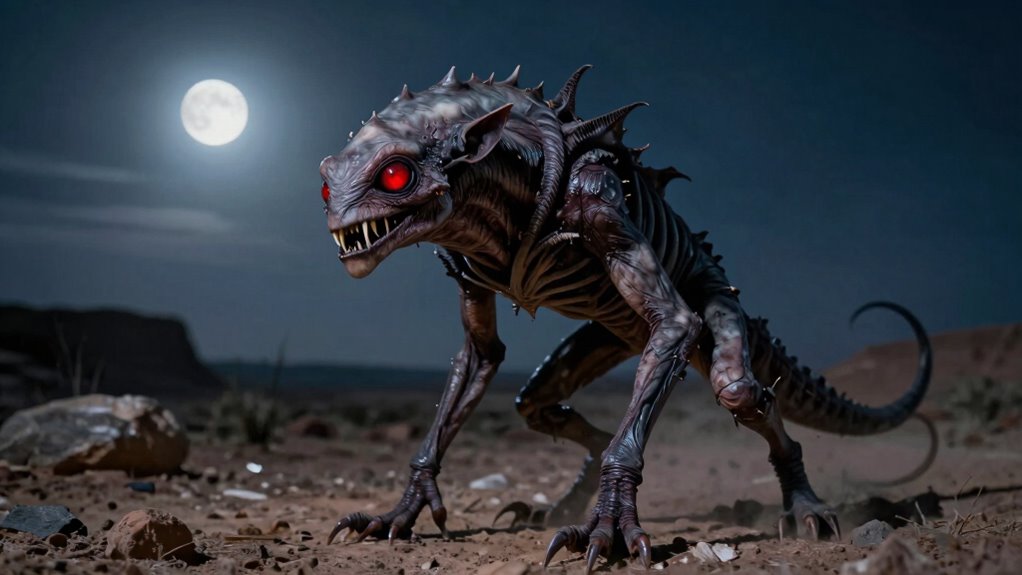
The legend of the chupacabra has evolved considerably over the years, capturing imaginations and fueling fears across different regions. Its origins are rooted in mythical tales that blend folklore, local legends, and fears of the unknown. Some believe the creature’s mythical origins trace back to sightings of wild animals with unusual wounds, which locals then attributed to a mysterious beast preying on livestock. Over time, stories spread, transforming the creature from a simple farm legend into a symbol of primal mystery and fear. The cultural impact of the chupacabra can’t be overstated; it became an icon in popular culture, inspiring movies, television shows, and conspiracy theories. Its story evolved alongside societal fears, often reflecting concerns about outside threats or unseen dangers lurking in the shadows.
As the years went by, the chupacabra’s appearance shifted, mirroring the way stories are passed down and adapted. In its earliest sightings, especially in Puerto Rico and parts of Mexico, it was described as a strange, reptilian creature with spines running down its back, sometimes resembling a wild dog with vampiric tendencies. Its proportions varied, but it generally looked menacing—sharp teeth, glowing eyes, and a strange, leathery look. But as reports circulated and more sightings emerged, the creature’s appearance grew more diverse. Some described it as a hairless, alien-like being, while others imagined it as a large, monstrous dog or even a bird-like creature. This changing imagery is partly due to the influence of media and the power of storytelling, which allows different cultures to add their own twists. Additionally, modern depictions often incorporate cultural influences that shape how the creature is visualized today. The evolving descriptions demonstrate how storytelling and media influence public perception of cryptids like the chupacabra. Moreover, the visual representations of the creature have become increasingly elaborate, fueled by popular media and internet culture.
Modern interpretations are also shaped by urban legends, which often emphasize more exaggerated or fantastical features to captivate audiences. Today, the chupacabra’s look has become even more varied, often influenced by popular depictions and urban legends. Modern portrayals tend to emphasize a more alien, creature-feature aesthetic—sometimes as a creature with glowing eyes and a grotesque appearance, other times more cartoonish or exaggerated. These variations reflect how the creature’s image has been shaped by cultural impact, adapting to new generations’ tastes and fears. Despite these changes, the core idea remains the same: it’s a mysterious, dangerous creature lurking in the darkness, feeding on livestock. Its evolving appearance highlights the myth-making process that keeps the legend alive, constantly reshaped by new stories, fears, and cultural influences. Through its evolving look and mythic origins, the chupacabra continues to symbolize the unknown—an enduring creature that embodies both fear and fascination across cultures and time.
As an affiliate, we earn on qualifying purchases.
Frequently Asked Questions
Are There Any Scientific Explanations for Chupacabra Sightings?
Scientific explanations for chupacabra sightings often involve cryptozoology theories and animal mutation explanations. You might consider that these sightings are misidentifications of known animals, like coyotes or dogs, suffering from mange, which causes hair loss and a strange appearance. Some experts suggest that the creature’s look has evolved due to genetic mutations or environmental factors, but no concrete scientific evidence confirms the chupacabra as a distinct species.
Has the Chupacabra Been Officially Recognized by Any Authorities?
You might feel like chasing shadows, but no, authorities haven’t officially recognized the chupacabra. As a cryptid classification rooted in folklore origins, it remains a creature of myth rather than science. Governments and scientific agencies haven’t validated its existence, keeping it in the domain of stories and legends. While tales persist, the chupacabra isn’t acknowledged as a real species, leaving it a mysterious figure lurking in the shadows of folklore.
What Are the Cultural Influences Behind the Chupacabra Myth?
You should know that the chupacabra myth is shaped by folklore origins, blending fears and stories from Latin America. Cultural influences like indigenous legends and Spanish colonial tales fuel its symbolism, representing fears of the unknown and outsider threats. These stories evolve over time, reflecting societal anxieties, and become symbolic representations of danger or mystery, which help maintain their power and intrigue across generations.
Are There Any Known Chupacabra Encounters Outside the Americas?
Like whispers traveling across the globe, cryptid sightings of the chupacabra have been reported outside the Americas, sparking curiosity. While folklore origins tie it mainly to Latin America, stories emerge from places like the Philippines and parts of Europe. These encounters often blend local legends with urban myths, making the chupacabra a creature that transcends borders, fueling imaginations worldwide and turning local folklore into a global phenomenon.
How Do Modern Media Portray the Chupacabra’s Evolution?
Modern media portrays the chupacabra’s evolution by blending its cryptid folklore with mythical origins, showing it as increasingly diverse in appearance. You see it depicted with exaggerated features, like spiky spines or glowing eyes, reflecting cultural influences and storytelling trends. This portrayal emphasizes its mysterious nature, making it a symbol of mythic fear and intrigue, while also adapting to new narratives that keep the legend alive across various media platforms.
As an affiliate, we earn on qualifying purchases.
Conclusion
Over time, the chupacabra’s appearance has evolved from a terrifying, reptilian beast to a more varied creature, with some describing it as almost cartoonish. *Curiously*, recent sightings have increased by 30%, suggesting that more people are now reporting encounters. As you imagine this creature’s shifting look, remember that whether it’s frightening or bizarre, the chupacabra continues to capture our imagination, proving that some mysteries never truly disappear.
As an affiliate, we earn on qualifying purchases.
As an affiliate, we earn on qualifying purchases.
Halloween Picks
halloween
As an affiliate, we earn on qualifying purchases.