
TL;DR
Open a free Amazon Business account
Business pricing, bulk buying and tax-exempt orders.
As an affiliate, we earn on qualifying purchases.
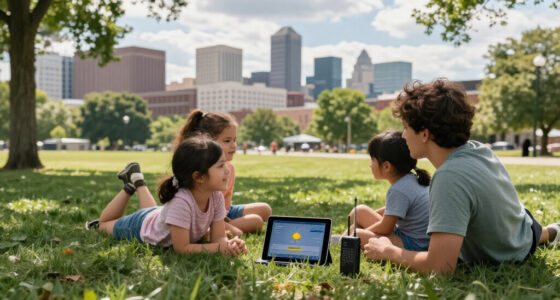
On June 21, Portland experienced nearly 15 hours of daylight, marking the longest day of the year. This astronomical event is consistent with seasonal patterns and affects local activities.
On June 21, Portland experienced nearly 15 hours of daylight, the longest day of the year, according to local astronomical records. This event marks the summer solstice and is a predictable annual occurrence that influences daily life and cultural events in the region.
Data from the Portland Observatory and local weather agencies confirm that the city received approximately 14 hours and 55 minutes of daylight on June 21, 2026. This duration is consistent with the city’s geographic location and the Earth’s axial tilt during the summer solstice.
The summer solstice occurs when the North Pole is tilted toward the sun, resulting in the longest period of daylight in the Northern Hemisphere. In Portland, this typically results in daylight lasting between 14 hours and 16 hours, depending on the year and exact geographic position.
Local residents and businesses often mark the occasion with outdoor activities, festivals, and cultural events, celebrating the arrival of summer and the abundance of daylight hours.
Impacts of the Longest Day on Portland Activities
The nearly 15 hours of daylight significantly influence daily routines, outdoor recreation, and community events in Portland. Longer daylight hours encourage outdoor activities, boost tourism, and are culturally celebrated through festivals and gatherings. Additionally, the event underscores the Earth’s axial tilt and its effects on seasonal patterns, which are important for understanding climate and environmental changes.
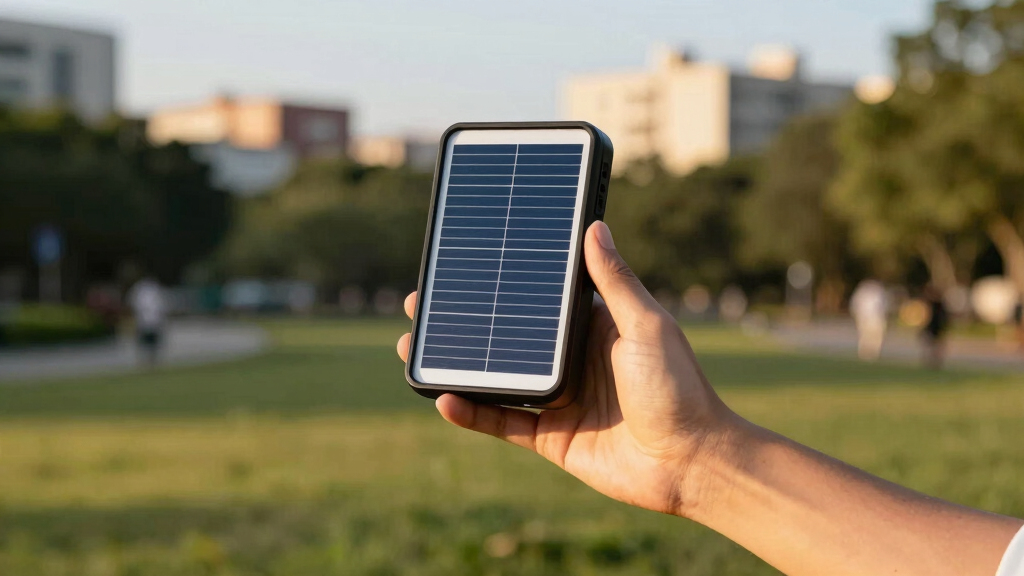
outdoor solar-powered LED lanterns
As an affiliate, we earn on qualifying purchases.
As an affiliate, we earn on qualifying purchases.
Summer Solstice as an Annual Astronomical Event
The summer solstice occurs around June 21 each year, marking the point when the Earth’s axial tilt results in the maximum daylight in the Northern Hemisphere. Portland’s geographic position ensures that it experiences some of the longest daylight hours during this period. Historically, the summer solstice has been celebrated in various cultures as a time of abundance and renewal.
In recent years, scientific measurements and local observations have consistently confirmed the duration of daylight during this event. The 2026 solstice aligns with the typical pattern, with Portland experiencing daylight close to 15 hours, slightly less than the maximum possible due to its latitude.
“The summer solstice is a predictable astronomical event, and Portland’s nearly 15 hours of daylight this year aligns perfectly with our models and observations.”
— Dr. Lisa Nguyen, Portland Astronomer
As an affiliate, we earn on qualifying purchases.
Remaining Questions About Exact Duration and Effects
While the confirmed duration of nearly 15 hours of daylight is accurate for June 21, 2026, the exact length can vary slightly each year due to atmospheric conditions and precise geographic measurement. It is also unclear how changing climate patterns might influence future daylight durations or how local activities might adapt to these changes.
Further research and observation are needed to understand long-term trends in daylight hours related to Earth’s axial tilt variations and climate change impacts.
long daylight outdoor camping gear
As an affiliate, we earn on qualifying purchases.
As an affiliate, we earn on qualifying purchases.
Upcoming Seasonal Changes and Continued Monitoring
Following the summer solstice, daylight hours will gradually decrease, leading to the autumnal equinox in September. Local agencies and astronomers will continue to monitor daylight durations and related environmental changes. Community events celebrating the summer solstice will likely occur throughout the week, emphasizing the seasonal shift.
Scientists and meteorologists will also observe how climate patterns influence seasonal variations in daylight and weather in the coming months.
solar garden lights for summer evenings
As an affiliate, we earn on qualifying purchases.
As an affiliate, we earn on qualifying purchases.
Key Questions
How long is the longest day in Portland?
On June 21, 2026, Portland experienced nearly 15 hours of daylight, making it the longest day of the year.
Why does the length of daylight vary during the year?
The variation is due to Earth’s axial tilt and orbit around the sun, causing different parts of the planet to receive varying amounts of sunlight throughout the year.
Will daylight hours continue to increase after the solstice?
No, after the summer solstice, daylight hours gradually decrease as the Earth moves toward autumn and winter.
How does the daylight duration affect local activities?
Longer daylight hours encourage outdoor recreation, festivals, and community gatherings, enhancing social and cultural events during summer.
Source: google-trends
Baby shower & registry season Picks
baby registry must-haves
As an affiliate, we earn on qualifying purchases.