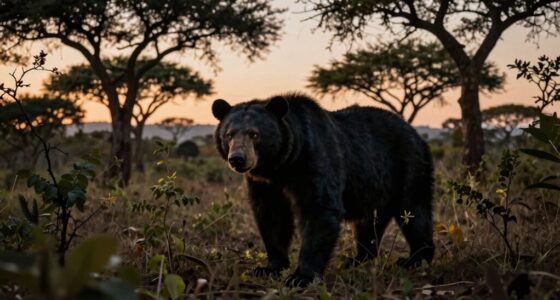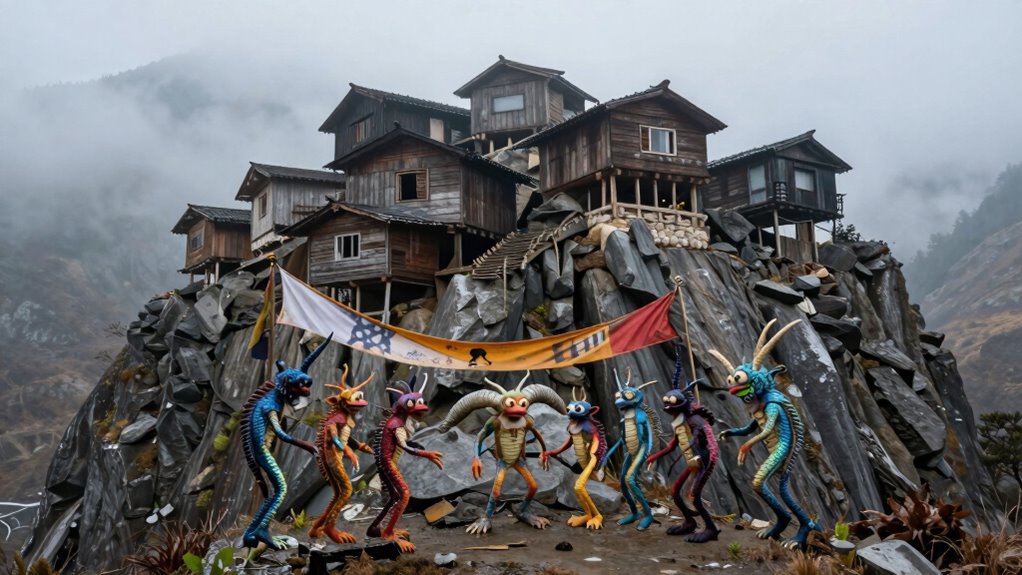

Remote geography acts as a natural barrier that shields communities from external influences, helping to preserve their unique creature traditions. It limits access to urban centers and international trade, ensuring traditions stay intact across generations. This isolation keeps myths, rituals, and ecological knowledge pure and unaltered. By maintaining these customs, communities strengthen their cultural resilience and connection to their environment. If you keep exploring, you’ll discover how these natural barriers shape and sustain such fascinating traditions even further.

Prime made for students and young adults
- Fast, free delivery for dorm and study essentials
- Prime Video and Amazon Music included
- Member-only deals
Key Takeaways
- Remote geography creates ecological isolation that limits external cultural and technological influences on local communities.
- It preserves unique creature myths and practices by preventing external modernization and cultural erosion.
- Natural barriers maintain distinct ecosystems, ensuring the ecological context of creature traditions remains intact.
- Geographic remoteness fosters community resilience, safeguarding traditional knowledge and ecological ties.
- Isolation preserves the strangeness and authenticity of creature customs, shielding them from outside cultural dilution.
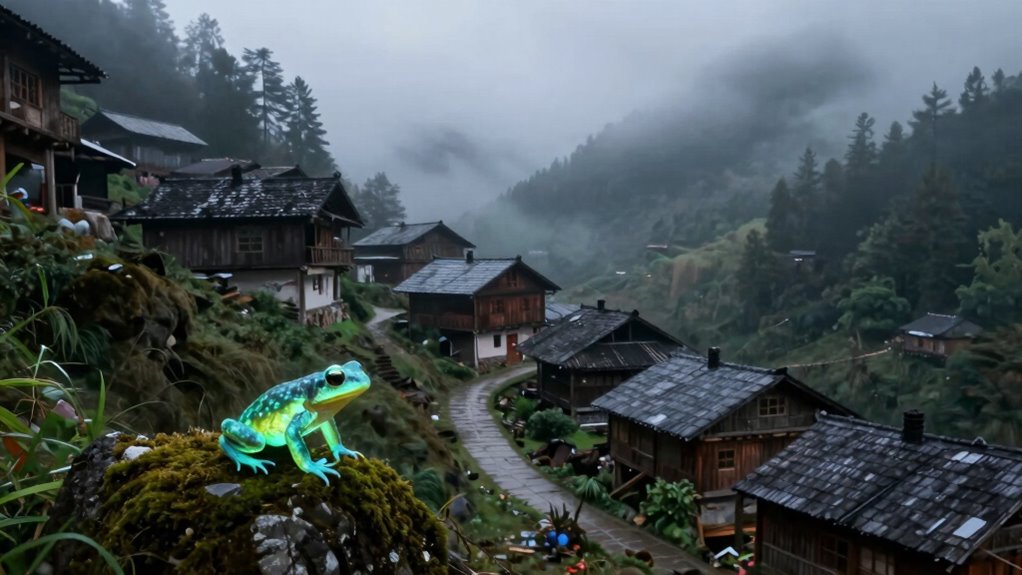
In remote regions of the world, isolated communities develop unique creature traditions that reflect their surroundings and cultural histories. These traditions often seem strange or even otherworldly to outsiders, but they hold deep significance for the communities that uphold them. The reason these customs remain so pure and untouched is largely due to ecological isolation, which shields them from outside influences. When a community is cut off from the wider world, their creature stories, practices, and beliefs stay intact, preserving an essential part of their cultural identity.
Ecological isolation acts like a natural barrier, protecting these communities from external cultural and technological shifts. Without easy access to urban centers or international trade routes, their creature traditions evolve in ways that stay true to their origins. This preservation isn’t just about folklore; it’s about maintaining a sense of continuity with their ancestors. You can see this in how they honor specific animals or mythical beings, often tying them directly to their environment. For example, a tribe living near dense forests might develop stories about a mysterious creature that embodies the spirit of the woods—an entity that guides or warns them based on ecological cues. These stories aren’t just entertainment; they’re woven into daily life, serving as lessons or warnings rooted in their environment.
Ecological isolation preserves creature traditions, linking them deeply to environment and ancestral wisdom.
Cultural preservation plays a fundamental role here. When communities are isolated, their traditions aren’t diluted by outside influences. They keep their language, rituals, and creature myths alive, passing them down through generations. This continuity ensures that the community’s worldview remains intact, even as the world outside changes rapidly. You might notice that in such communities, the creature traditions are deeply intertwined with their understanding of nature and survival. Their stories reflect their ecological realities, fostering a profound respect for the animals and spirits they believe inhabit their land. This ecological separation also helps to maintain their biodiversity, ensuring that the unique species and ecosystems integral to their stories remain intact. Additionally, these traditions often serve to strengthen community bonds, reinforcing social cohesion and shared identity. The preservation of these traditions can also be viewed as a form of cultural resilience, helping communities withstand external pressures.
In these remote places, the protection of creature traditions isn’t accidental—it’s a direct consequence of their isolation. It gives them a safeguard against cultural erosion, allowing their stories and practices to endure. For you, understanding this highlights how geography shapes culture in powerful ways. The ecological isolation of these communities acts as a natural vault, keeping their creature traditions safe from modern influences. This retention of cultural identity reveals a resilient connection to their environment and history, demonstrating how remote geography can serve as a guardian of the strange, wonderful customs that define their world.
traditional ecological knowledge books
As an affiliate, we earn on qualifying purchases.
As an affiliate, we earn on qualifying purchases.
Frequently Asked Questions
How Do Remote Areas Influence Local Creature Myths Differently?
Remote areas shape local creature myths by fostering unique stories rooted in their isolated ecosystems. You’ll find that these regions influence mythical origins, often blending ecological symbolism with local folklore. Because of limited outside contact, these myths stay pure and distinct, reflecting the environment’s mysteries. The remoteness allows communities to develop and preserve their creature legends, making them more vibrant and deeply connected to their ecological surroundings.
Are There Specific Remote Regions Known for Unique Creature Traditions?
You’ll find that remote regions like the Himalayan valleys and Pacific islands are renowned for unique creature traditions. These areas often hold onto myths of mythical sightings, partly because their isolation helps preserve cultural stories. Such traditions remain vibrant, serving as a cultural lifeline. These places are real treasure troves for those fascinated by unusual creatures, where legends stay alive, and cultural preservation is woven into everyday life, keeping the mysteries wild and wonderful.
How Do Isolation and Geography Shape Folklore Development?
You see, isolation and geography shape folklore development by fostering unique environments where mythical origins flourish. When communities are cut off by rugged landscapes or remote regions, they craft stories that reflect their surroundings and cultural symbolism. These tales often serve to explain mysterious phenomena, embedding local geography into their myths. As a result, your folklore becomes a rich tapestry of myths rooted in both the land’s natural features and cultural identity.
Do Remote Communities Have Fewer Creature Traditions Overall?
You might think remote communities have fewer creature traditions, but that’s not true. Their isolation actually fosters unique folklore and urban legends, often resistant to modern adaptations. Because they’re less influenced by mainstream culture, these communities develop richer, more diverse stories about weird creatures. So, rather than fewer traditions, they often have more localized, imaginative tales that stay alive through generations, shaped by their distinctive environment.
What Role Does Access to Outside Influences Play in These Traditions?
Access to outside influences, like media and cultural exchange, plays a significant role in shaping creature traditions. When you’re exposed to external ideas, it often sparks new stories or modifies existing ones, making traditions more dynamic. In remote areas, limited outside contact helps preserve unique creature legends, while increased influence can lead to shared or altered traditions, blending local folklore with broader cultural themes.
indigenous creature myths figurines
As an affiliate, we earn on qualifying purchases.
As an affiliate, we earn on qualifying purchases.
Conclusion
So, next time you wonder why some strange creature traditions thrive in remote areas, remember it’s the isolation that preserves these unique stories. Remote geography acts as a natural shield, allowing odd customs to flourish far from mainstream influence. But doesn’t that make you wonder—what other hidden worlds are out there, kept alive simply because they’re tucked away from the eyes of the modern world? Sometimes, it’s the distance that keeps the magic alive.
remote community cultural preservation documentaries
As an affiliate, we earn on qualifying purchases.
As an affiliate, we earn on qualifying purchases.
As an affiliate, we earn on qualifying purchases.
Fall Picks
fall essentials
As an affiliate, we earn on qualifying purchases.