
TL;DR

Get school and study supplies delivered free — and shop member deals
- Fast, free delivery on millions of items
- Access to Prime Big Deal Days deals on October 6–7
- Prime Video, Amazon Music and more included
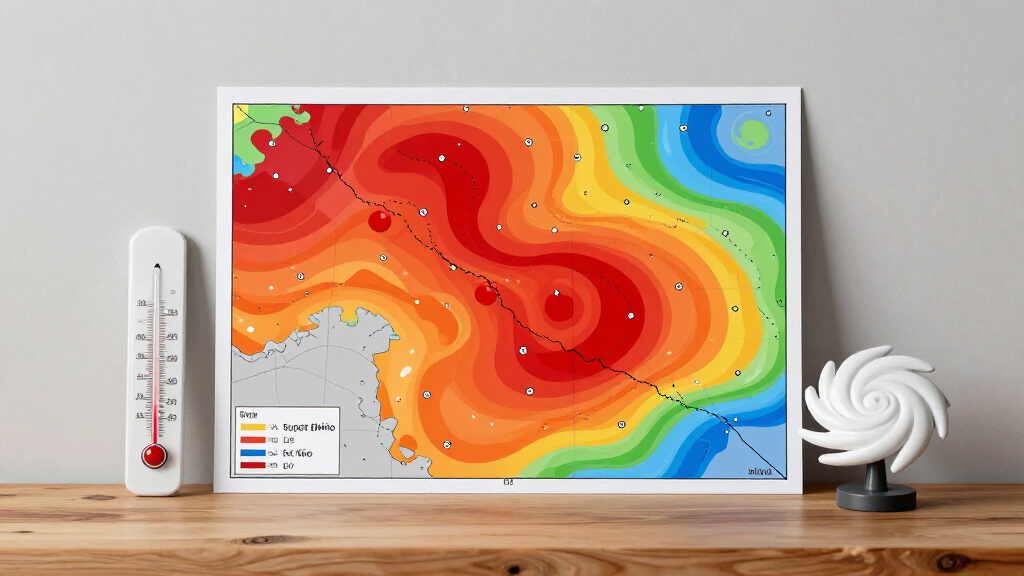
A super El Niño is forecasted to develop this winter, likely leading to extreme weather patterns across the US, including heavy snowfall and storms. Authorities emphasize preparedness, but specific impacts remain uncertain. Stay updated with the US 2026 Winter Weather Forecast.
Forecasters are warning of a super El Niño developing this winter, which could lead to extreme weather across the United States, including heavy snowfall, storms, and temperature fluctuations. Learn more about the upcoming Super El Nino. The National Weather Service and climate experts say this phenomenon could significantly impact the upcoming season, though specific regional effects are still being studied.
Meteorologists have identified signs of a super El Niño, a particularly strong phase of the climate pattern characterized by warmer-than-average sea surface temperatures in the central and eastern Pacific Ocean. This development is expected to influence weather patterns across North America, potentially resulting in above-normal snowfall in northern states and increased storm activity in the south. The National Oceanic and Atmospheric Administration (NOAA) has issued preliminary forecasts indicating a high likelihood of severe winter conditions, though precise regional impacts and timing remain uncertain. Check the US 2026 Winter Weather Forecast for more details. Experts caution that while historical data suggests a correlation between super El Niño events and intense winter weather, the specific severity and distribution of storms are still being analyzed.Impacts of a Super El Niño on US Winter Weather
The forecast of a super El Niño has significant implications for public safety, infrastructure, and economic activity. Heavy snowfall and storms could disrupt transportation, cause power outages, and increase the risk of accidents. Emergency agencies are urging residents to prepare for potentially severe conditions. Additionally, sectors such as agriculture and energy may face challenges due to unpredictable weather patterns. Understanding these risks helps communities and policymakers plan and allocate resources effectively, but the exact severity and geographic distribution of impacts are still being assessed.
As an affiliate, we earn on qualifying purchases.
Historical Trends and Recent El Niño Developments
El Niño is a climate phenomenon that occurs irregularly, roughly every 2 to 7 years, characterized by warmer sea surface temperatures in the Pacific Ocean. Past super El Niño events, such as those in 1982-83 and 1997-98, have been linked to extreme weather patterns, including heavy snowfall in some regions and droughts in others. The current development follows a period of monitoring by NOAA and international climate agencies, which have observed rising sea surface temperatures indicative of a strong El Niño. Forecasters have been tracking oceanic and atmospheric signals, with models increasingly suggesting a super El Niño formation for this winter season.
As an affiliate, we earn on qualifying purchases.
Unpredictable Regional Effects and Timing of Severe Weather
While the development of a super El Niño is confirmed, specific impacts—such as the exact regions most affected, the timing of peak storm activity, and the severity of snowfall—remain uncertain. Forecasters stress that the variability inherent in climate systems makes precise predictions difficult at this stage. It is also unclear how long the phenomenon will last and how it might interact with other atmospheric patterns.
As an affiliate, we earn on qualifying purchases.
Monitoring and Updated Forecasts for Winter 2023-2024
Meteorologists and climate agencies will continue to monitor oceanic and atmospheric signals over the coming weeks. Updated forecasts are expected as more data becomes available, which will refine predictions of regional impacts. Authorities recommend that residents and emergency services prepare for the possibility of severe winter conditions, especially in northern and eastern states. The National Weather Service plans to issue more detailed regional outlooks as the winter approaches.
As an affiliate, we earn on qualifying purchases.
Key Questions
What is a super El Niño?
A super El Niño is a particularly strong phase of the El Niño climate pattern, characterized by very warm sea surface temperatures in the Pacific Ocean, which can influence global weather patterns significantly.
How does a super El Niño affect winter weather in the US?
It can lead to increased storm activity, heavy snowfall in northern regions, and more intense weather events in some parts of the country, though impacts vary by region and event severity.
When will the full impacts of this El Niño become clear?
More precise regional impacts and timing are expected to become clearer as meteorologists gather further data and refine forecasts over the next few months, especially as winter approaches.
Are there measures people should take now?
Residents in potentially affected areas are advised to stay informed through official weather updates and prepare for possible severe winter conditions, including stocking supplies and reviewing emergency plans.
Could this El Niño be less severe than predicted?
Yes, climate phenomena are inherently variable, and initial forecasts could change as new data and models become available. The current outlook suggests increased risk but not certainty of severity.
Source: google-trends
Fall Picks
fall essentials
As an affiliate, we earn on qualifying purchases.