
TL;DR

Get school and study supplies delivered free — and shop member deals
- Fast, free delivery on millions of items
- Access to Prime Big Deal Days deals on October 6–7
- Prime Video, Amazon Music and more included
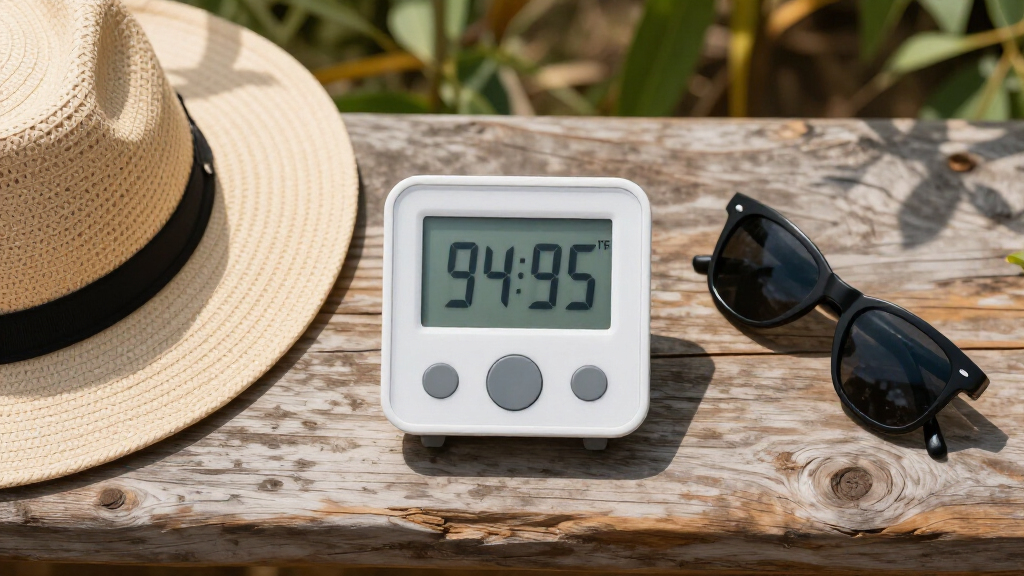
A trading market indicates speculation about whether the maximum temperature in a specific location will hit 94-95°F on August 26, 2026. The development reflects growing interest in long-term weather predictions, but no definitive forecast exists yet.
Recent activity on the Kalshi trading platform indicates that traders are speculating whether the maximum temperature in a specified region will reach 94-95°F on August 26, 2026. This market, driven by traders’ bets, reflects ongoing interest in long-term climate forecasts, although no official forecasts confirm this specific temperature on that date. The development underscores the growing role of prediction markets in gauging future climate conditions, but it does not establish a scientific forecast.
The Kalshi market, which allows traders to bet on whether the maximum temperature will be within a certain range on August 26, 2026, has seen 68 recent trades related to the 94-95°F threshold. These trades indicate a level of confidence or speculation about the possibility of such high temperatures occurring nearly two years from now. It is important to note that these trades are based on market sentiment rather than scientific climate models, and they do not constitute official weather predictions.
Climate experts emphasize that long-term temperature forecasts beyond a few months are inherently uncertain. While weather models can provide seasonal outlooks, predicting specific daily maximum temperatures for a date nearly two years in advance exceeds current scientific capabilities. The market activity, therefore, reflects speculative interest rather than verified climate data.
Kalshi spokespersons have stated that the platform’s purpose is to enable market-based predictions, and the current activity should not be interpreted as a scientific forecast but as a reflection of trader sentiment and market dynamics. The question remains open, with no official meteorological agencies providing forecasts for that specific date at this time.
Implications of Market-Based Weather Predictions
The interest in predicting whether the temperature will reach 94-95°F on August 26, 2026, highlights the increasing role of prediction markets in assessing future climate conditions. While these markets do not replace scientific forecasts, they can provide insights into public sentiment and potential trends. The activity also raises questions about the reliability of long-term weather predictions and the influence of speculative trading on climate-related markets.
Understanding whether such temperature thresholds are likely can impact planning for agriculture, infrastructure, and climate adaptation strategies. However, experts caution that the inherent uncertainties in long-range weather forecasting mean these market signals should be interpreted with caution, not as definitive predictions.
As an affiliate, we earn on qualifying purchases.
Long-Term Weather Forecasting and Market Trends
Forecasting specific daily maximum temperatures more than a year in advance is beyond current scientific capabilities. Seasonal climate models can project general trends, such as increased likelihood of heatwaves or colder periods, but they cannot pinpoint exact temperatures for specific days far in the future. The use of prediction markets like Kalshi introduces a new dimension, allowing traders to express their expectations based on available data and sentiment.
The activity on Kalshi related to August 26, 2026, mirrors broader trends where financial markets and climate science intersect. Similar markets have been used to gauge expectations about future weather events, though their predictive power remains limited. Historically, long-range weather forecasts are probabilistic, with significant uncertainty, especially beyond a few months.
Prior to this, climate scientists have emphasized that while climate models can project broader patterns, precise daily temperatures are inherently unpredictable at such long time horizons. The current market activity does not challenge this understanding but illustrates how market mechanisms are increasingly used to interpret climate expectations.
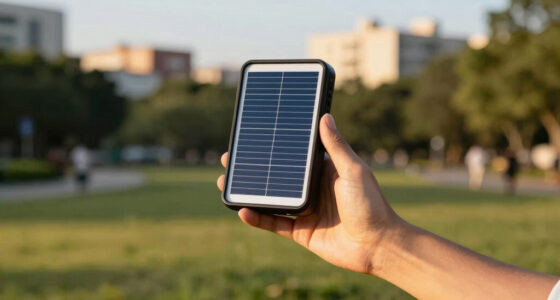
long-range weather prediction tools
As an affiliate, we earn on qualifying purchases.
As an affiliate, we earn on qualifying purchases.
Limitations of Long-Range Temperature Predictions
It is not yet clear whether the temperature will indeed reach 94-95°F on August 26, 2026. Scientific models cannot reliably predict specific daily temperatures this far in advance, and the current market activity reflects speculation rather than scientific consensus. The accuracy of such predictions remains highly uncertain, and no official weather forecast for that date exists at this time.
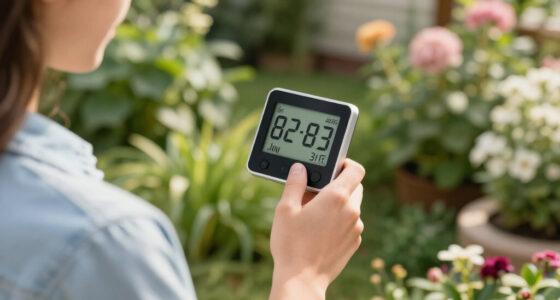
personal weather station for temperature monitoring
As an affiliate, we earn on qualifying purchases.
As an affiliate, we earn on qualifying purchases.
Monitoring Scientific Forecasts and Market Trends
In the coming months, meteorological agencies will update seasonal outlooks that may provide broader temperature trends for the summer of 2026. Market activity on platforms like Kalshi will likely continue to reflect trader sentiment, but these should be viewed as speculative indicators. Researchers and analysts will watch for any emerging scientific forecasts that could clarify whether such temperature levels are plausible on August 26, 2026.
Further, as the date approaches, official weather agencies may issue more specific forecasts, and market activity may shift accordingly. The intersection of climate science and prediction markets will remain a point of interest for both researchers and the public.
As an affiliate, we earn on qualifying purchases.
Key Questions
Can prediction markets accurately forecast long-term weather conditions?
Prediction markets can reflect trader sentiment and aggregate available information, but they are not scientifically reliable for precise long-term weather forecasts, especially beyond a few months.
Is there an official forecast for August 26, 2026?
No, there are no official meteorological forecasts for that specific date at this time. Scientific models cannot accurately predict such specific conditions so far in advance.
Why are people betting on future temperatures now?
Market activity can be driven by traders seeking to profit from predictions, or by interest in understanding potential climate trends. It does not reflect scientific certainty.
Could climate change influence the likelihood of reaching 94-95°F on that date?
Climate change may increase the probability of higher temperatures in general, but predicting specific temperatures on a specific day years in advance remains uncertain.
What factors influence long-term temperature predictions?
Factors include seasonal climate patterns, oceanic and atmospheric conditions, and broader climate trends. However, the inherent variability makes precise predictions difficult beyond a few months.
Source: kalshi
Halloween Picks
halloween
As an affiliate, we earn on qualifying purchases.