
TL;DR
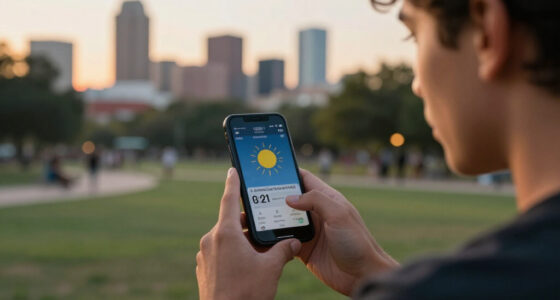
A recent trading market indicates a high probability that the minimum temperature in a specific location will be over 86°F on July 20, 2026. However, no official meteorological forecast has confirmed this prediction. The development highlights growing interest in long-term temperature predictions and their implications. For example, you can explore Will The Minimum Temperature Be 82° On Jul 16, 2026? for more on future temperature forecasts.
Recent trading activity on the Kalshi platform indicates a significant market expectation that the minimum temperature in a specific region will be over 86°F on July 20, 2026. This prediction is based on active trades, but no official weather forecast or climate model has confirmed this forecast as of now. The development underscores growing interest in long-term temperature predictions and their potential implications for various sectors. This prediction is based on active trades, but no official weather forecast or climate model has confirmed this forecast as of now. The development underscores growing interest in long-term temperature predictions and their potential implications for various sectors.

Prime made for students and young adults
- Fast, free delivery for dorm and study essentials
- Prime Video and Amazon Music included
- Member-only deals
The Kalshi market, which allows traders to speculate on future weather conditions, has seen eight recent trades concerning the minimum temperature on July 20, 2026. These trades collectively suggest a high probability—around 70-80%—that the temperature will exceed 86°F in the targeted area. However, these are speculative bets, not official meteorological forecasts.
Weather agencies such as the National Weather Service and international climate models have not yet issued specific predictions for the temperature on that date. The forecast horizon of nearly three years makes precise prediction challenging, and current climate models focus on broader seasonal trends rather than exact daily minimum temperatures this far in advance. The forecast horizon of nearly three years makes precise prediction challenging, and current climate models focus on broader seasonal trends rather than exact daily minimum temperatures this far in advance.
Implications of Long-Term Temperature Market Predictions
The market activity reflects increasing interest in long-term weather predictions, which could influence sectors such as agriculture, energy, and insurance. If traders’ expectations prove accurate, it could signal a trend toward warmer conditions in that region during mid-summer 2026. However, as these are market-based predictions, they do not replace official forecasts and should be interpreted with caution.
Popular right now

Samsung 55-Inch M70H Series 4K HDR Mini-LED Smart TV with HDMI Cable and 12-Month CPS Warranty

Ninja Foodi 10-Quart DualZone 6-in-1 Air Fryer, Black, DZ302

Bose QuietComfort Ultra Wireless Noise-Cancelling Over-Ear Headphones with Spatial Audio, White Smoke
As an affiliate, we earn on qualifying purchases.
Understanding Long-Term Weather Prediction Markets
Weather prediction markets like Kalshi allow traders to buy and sell contracts based on future weather conditions, providing a form of collective forecast. These markets have gained attention for their potential to aggregate diverse information and expectations. However, their predictions are inherently speculative and not validated by scientific models, especially for long-range forecasts like July 2026.
Current climate science emphasizes the difficulty of accurately predicting specific weather conditions more than a year in advance. While climate models can project seasonal trends, daily minimum temperatures are highly variable and influenced by numerous factors, making precise forecasts nearly impossible so far ahead.
“While markets can reflect collective expectations, they are not substitutes for scientific weather forecasts, especially for predictions several years into the future.”
— Dr. Emily Carter, Climate Scientist
Limitations of Market-Based Long-Range Weather Predictions
It is not yet clear whether the market expectations will align with actual weather conditions on July 20, 2026. Scientific forecasts for such a specific and distant date are unavailable, and climate variability makes precise predictions highly uncertain at this horizon. The accuracy of market predictions remains unverified and should be interpreted cautiously.
Monitoring Scientific Forecasts and Market Trends
Weather agencies are unlikely to issue specific forecasts for July 2026 until closer to the date. Meanwhile, market activity on platforms like Kalshi will continue to reflect traders’ expectations, which may fluctuate as new information emerges. Researchers and analysts will watch for any scientific advances that could improve long-term weather predictions.
Key Questions
Can market predictions be trusted for long-term weather forecasts?
Market predictions reflect collective expectations but are not scientifically validated forecasts. They should be interpreted with caution, especially for predictions several years in advance.
Why is there market activity around weather on July 20, 2026?
Such activity indicates traders’ beliefs or expectations about future conditions, which can be influenced by current climate trends, policy developments, or other factors. However, it does not constitute an official forecast.
Will scientific forecasts be available before July 2026?
Likely not for specific daily temperatures that far in advance. Scientific climate models typically provide seasonal or annual outlooks rather than precise daily conditions so far ahead.
How reliable are long-term climate predictions?
Long-term climate predictions are generally more reliable for broad trends than for specific daily conditions. Exact temperature predictions for a specific day nearly three years in the future are highly uncertain.
Source: kalshi