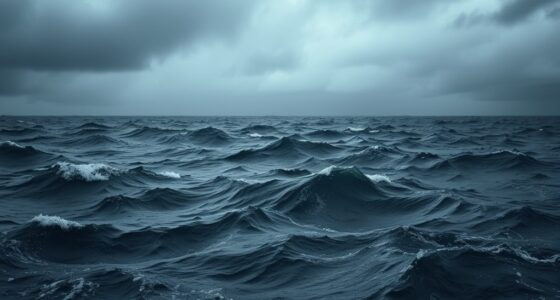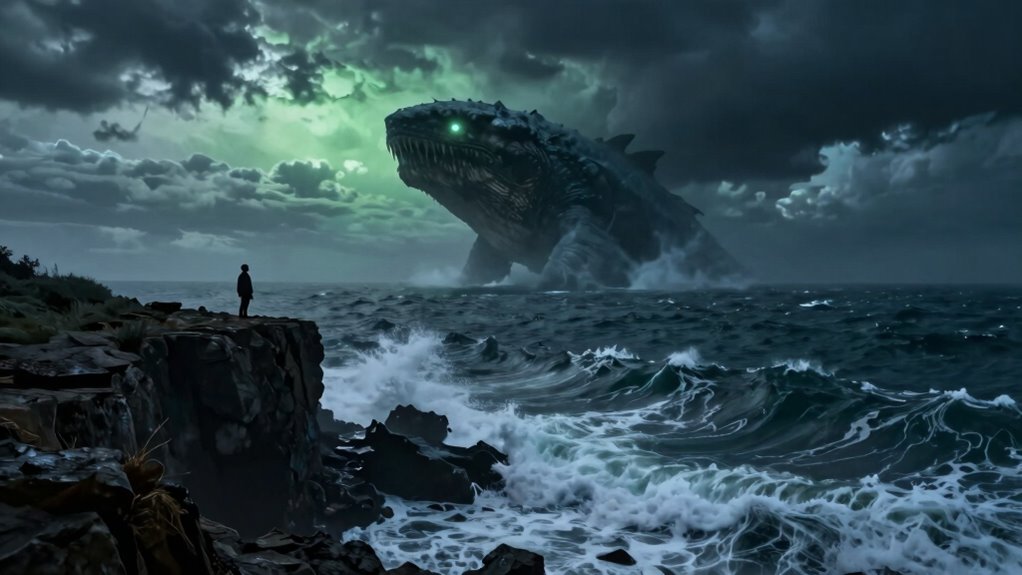

As climate anxiety rises, sea monster stories evolve from tales of chaos to powerful symbols of environmental loss and hope. You might see these creatures embody ocean suffering caused by human actions, making the legends more urgent and relatable. Instead of distant folklore, they now serve as allegories for ecological crises, inspiring you to think about protecting our seas. If you stay curious, you’ll discover how these mythic beings can inspire change and encourage ecological awareness.

Prime made for students and young adults
- Fast, free delivery for dorm and study essentials
- Prime Video and Amazon Music included
- Member-only deals
Key Takeaways
- Climate anxiety transforms sea monsters from symbols of chaos to representations of ocean suffering and ecological crises.
- Stories may depict sea monsters as victims battling environmental destruction, fostering empathy and awareness.
- Narrative focus shifts toward monsters embodying resilience and hope amid climate challenges.
- Sea monsters become allegories for urgent climate action, emphasizing ocean conservation and human responsibility.
- Cultural storytelling increasingly highlights the ocean’s health as vital to humanity’s future, inspiring ecological stewardship.
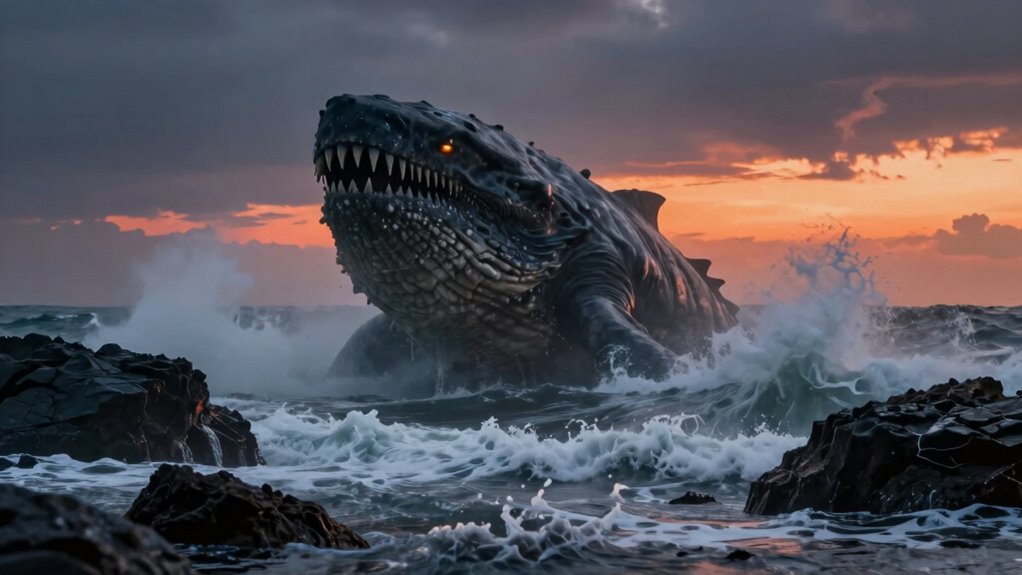
Climate change has sparked a surge of anxiety that many people find hard to shake, and stories about sea monsters serve as powerful metaphors for this fear. These mythical creatures, often depicted as enormous, mysterious beings lurking beneath the waves, embody our collective dread of the unknown depths of the ocean. Their presence in stories taps into deep-seated ocean symbolism, representing both the vastness and unpredictability of nature—and, by extension, our environment. As climate anxiety grows, these stories are likely to evolve, reflecting our changing relationship with the natural world.
Traditionally, sea monsters have symbolized chaos, danger, and the uncontrollable forces of nature. They serve as warnings of what lurks beneath the surface, reminding us of nature’s power and our vulnerability. But as climate change intensifies, these mythic creatures might take on new meanings. Instead of mere monsters of folklore, they could become symbols of climate crisis itself—embodiments of the ocean’s suffering and the chaos unleashed by human actions. You might see stories that portray these creatures as victims, struggling against the encroaching destruction wrought by rising seas, melting ice, and acidifying waters. In this way, mythological creatures become mirrors of our environmental fears, transforming ocean symbolism into a reflection of ecological concern.
Sea monsters as symbols of climate crisis, embodying ocean suffering and human-induced chaos.
Your perception of sea monsters could shift from distant legends to urgent metaphors for climate change. They might be depicted not only as terrifying but also as tragic, emphasizing the need to protect the ocean’s fragile balance. These stories could serve as allegories for climate anxiety, illustrating the consequences of ignoring the warnings embedded in ocean symbolism for centuries. As your awareness deepens, you may notice a new narrative emerging—one where mythical creatures are not just monsters to fear but symbols urging action. Their existence becomes a call to confront the chaos, to recognize that the ocean’s health is intertwined with humanity’s future. Additionally, these stories might incorporate climate change impacts as central themes, deepening their relevance and emotional resonance. This shift could also inspire a new wave of storytelling that emphasizes environmental stewardship, fostering a deeper connection between audiences and ecological issues.
In this evolving storytelling landscape, sea monsters could also become more empathetic figures—representing the ocean’s suffering and resilience. You might find narratives that focus on the monsters’ plight, fostering a sense of empathy and urgency. The mythic qualities of these creatures, combined with their ocean symbolism, make them powerful symbols of both fear and hope. By reimagining sea monsters in this way, stories can inspire you to see the ocean not as a distant mythic realm but as a crucial, living part of our world that needs your attention and care. This shift in storytelling reflects a broader cultural movement towards recognizing the importance of environmental stewardship and ocean conservation. Ultimately, climate anxiety could reshape sea monster stories into compelling calls for environmental consciousness.
ocean conservation educational kits
As an affiliate, we earn on qualifying purchases.
As an affiliate, we earn on qualifying purchases.
Frequently Asked Questions
How Does Climate Change Influence Mythical Sea Creature Lore?
Climate change influences mythical sea creature lore by inspiring stories rooted in deep sea mythology and environmental symbolism. You might see new tales where sea monsters symbolize ocean sickness or pollution, reflecting your fears of environmental decline. As climate anxiety grows, these stories could emphasize humanity’s impact on the oceans, making sea monsters serve as warnings or allegories for ecological trauma, urging us to protect our waters and rethink our relationship with nature.
Are Modern Sea Monster Stories More Environmentally Themed?
Yes, modern sea monster stories often incorporate environmental themes, using mythical symbolism to highlight nature’s fragility. You’ll notice storytelling techniques that emphasize human impact on oceans, making these creatures symbols of ecological warning. This shift encourages you to see sea monsters not just as mythical beings, but as representations of climate change’s consequences, inspiring awareness and action through powerful narratives rooted in contemporary environmental concerns.
What Role Do Sea Monsters Play in Climate Change Awareness?
Sea monsters act like marine symbolism, embodying nature’s fury and mystery, making them powerful mythical allegories for climate change. You see, they remind us of ocean depths threatened by rising temperatures and pollution. These stories turn sea monsters into warnings, urging awareness. By personifying environmental issues, they inspire you to reflect on humanity’s impact, helping you connect emotionally and motivating action to protect our fragile oceans.
How Have Artist Representations of Sea Monsters Evolved With Climate Concerns?
You notice that artist representations of sea monsters now incorporate deep sea symbolism, emphasizing the mysterious and fragile nature of our oceans. They reinterpret myths to highlight environmental concerns, portraying these creatures as symbols of climate change impacts. This evolution encourages you to see sea monsters not just as mythic beasts, but as powerful icons for ecological awareness, urging you to reflect on humanity’s role in protecting our planet’s underwater worlds.
Could Climate Anxiety Lead to More Ecological Sea Monster Narratives?
Yes, climate anxiety can lead to more ecological sea monster narratives, as your emotional responses to environmental issues inspire storytelling shifts. You might see sea monsters symbolizing nature’s fury or victims of pollution, prompting audiences to reflect on ecological concerns. These stories can evoke empathy and awareness, helping you connect emotionally with environmental crises. As a result, creators may use sea monsters to highlight climate change’s impacts, fostering deeper ecological consciousness.
climate change awareness posters
As an affiliate, we earn on qualifying purchases.
As an affiliate, we earn on qualifying purchases.
Conclusion
As you dive deeper into these tales, you realize climate anxiety isn’t just a shadow lurking in the background—it’s the storm stirring the ocean’s depths. Sea monsters, once symbols of mystery, now mirror our fears of drowning in climate change. By rewriting these stories, you’re charting a new course through turbulent waters, turning monsters into messengers. In this shifting tide, hope blooms like coral—vivid, resilient, ready to reshape the underwater world you imagine.
As an affiliate, we earn on qualifying purchases.
As an affiliate, we earn on qualifying purchases.
Halloween Picks
halloween
As an affiliate, we earn on qualifying purchases.